What Features Should You Look for in a Super Clone Watch?
Verified Reddit Watch Specialist (RepTime / RepGuild)
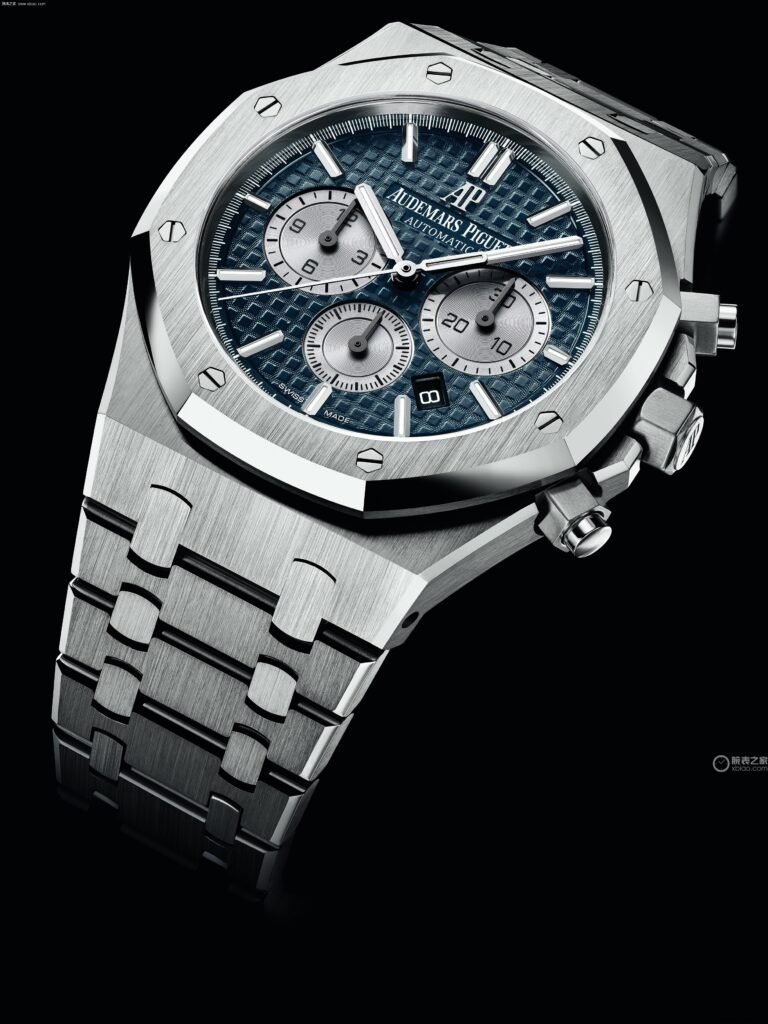
The market for super clone watches gives buyers plenty of choice, but quality varies from one model and sample to another. Seven features deserve particular attention: materials, movement, design detail, water resistance, weight and feel, seller reputation, and price. This guide turns those points into checks a buyer can actually use.
A product label is only a starting point. Super clone, premium replica, and high quality replica watch are seller-defined descriptions rather than universal technical grades. Written specifications, exact-sample photographs, relevant test results, and clear after-sales terms offer stronger evidence than the tier name alone.
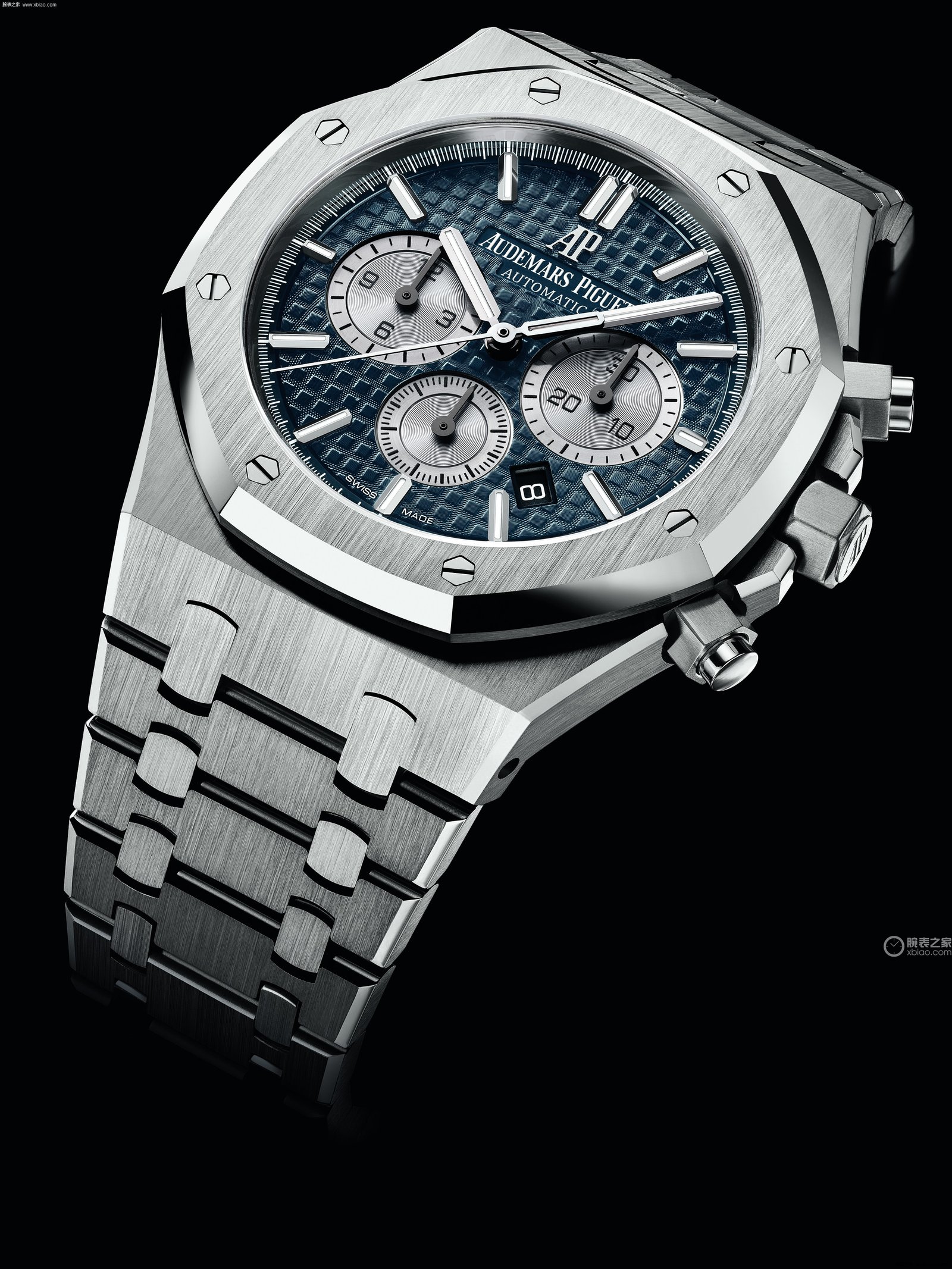
At a Glance
| Feature | Ask for | Check on the exact sample |
|---|---|---|
| Materials | Written case, crystal, bezel, coating, strap, and bracelet specifications | Finish, chips, scratches, gaps, colour consistency, and sharp edges |
| Movement | Movement designation, functions, setting guide, test data, and service options | Winding feel, time setting, date change, function reset, and stated test context |
| Water resistance | Current pressure-test method and result for that sample | Crown closure, caseback, crystal edge, pushers, and visible gasket concerns |
| Weight and fit | Dimensions, total weight, bracelet range, and link or clasp adjustment | Comfort, balance, clasp security, and attachment points |
1. High-quality materials need exact definitions
Begin with the case, crystal, leather, and synthetic materials. Ask what each visible component is claimed to be rather than accepting a broad premium-materials statement. Useful details include the case and bracelet alloy, crystal type, bezel insert, coating or plating, strap material, clasp construction, and whether any decorative stones are natural or synthetic.
Stainless steel and sapphire crystal are common selling points, but photographs cannot confirm composition. A seller can support the claim with supplier records or appropriate testing, while QC images can only document visible condition. Check for scratches, dust under the crystal, uneven colour, lifting coatings, sharp bracelet edges, poor end-link fit, and a clasp that does not close cleanly.
Materials also affect care. Plated and coated surfaces should not be aggressively polished. Leather needs protection from moisture, while rubber and metal have different cleaning requirements. A specification is useful when it helps the buyer understand both appearance and ownership.
2. An accurate movement is more than a name
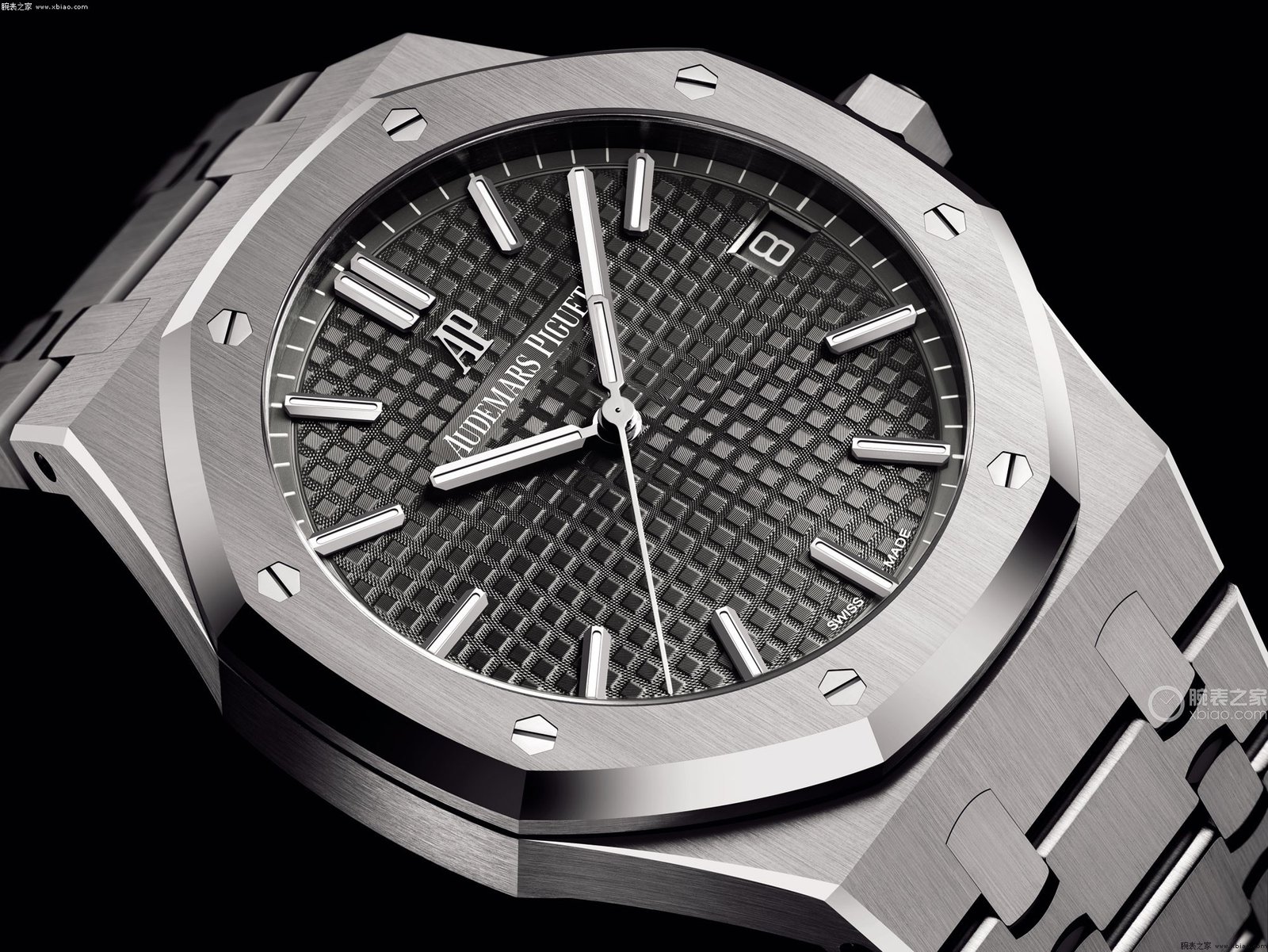
The movement is the working core of the watch. Automatic and quartz options can both be suitable, and some replicas use movements designed to resemble those in luxury models. Ask for the exact movement designation, origin if known, supported functions, expected operating range, and service or replacement options.
For a mechanical watch, a current timegrapher image can record rate, amplitude, beat error, beat frequency, and test position. One reading is a diagnostic snapshot rather than a guarantee of future accuracy. The result should be tied to the exact sample, and the seller should explain whether the watch was fully wound and which position was tested.
Operate every advertised function during QC when possible. Time setting, date change, winding, chronograph start, stop, and reset should work without forcing the crown or pushers. An openworked dial or display back may reveal movement architecture, but visible decoration alone does not prove identity, reliability, power reserve, or service condition.
3. Attention to detail is best checked systematically
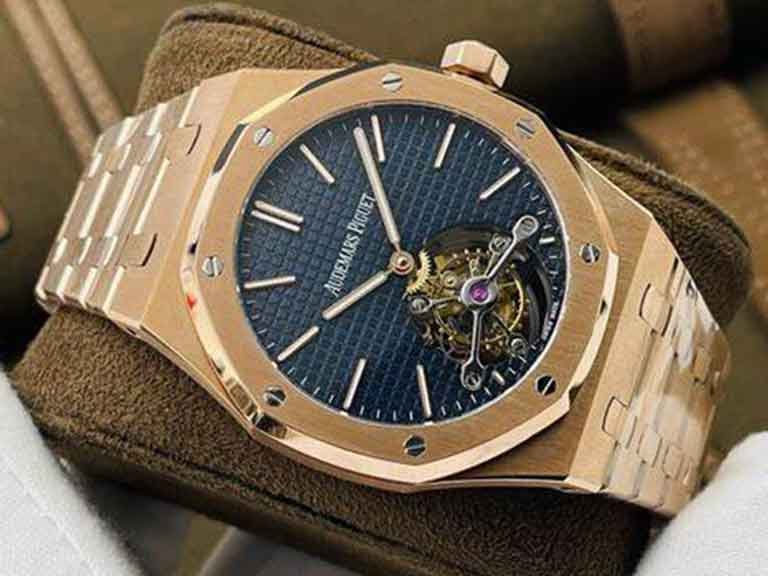
Review the dial, hands, markers, bezel, logos, and engravings in straight-on, side, back, crown, clasp, and bracelet photographs. Good lighting and enough resolution matter more than dramatic angles or heavy image processing.
Start with alignment. Compare the hands with the hour markers, the date within its window, subdials with the main dial, bezel features with the case, and exposed screws with their seats. Look for uneven printing, tilted markers, scratched hands, dust, adhesive, rough engravings, mismatched brushing, or large gaps.
The exact reference being imitated provides a design benchmark, yet buyers should remember that a replica remains a replica. Visual similarity does not create authentic provenance, brand warranty, or collector value. The practical goal is to understand what will arrive and whether its visible condition matches the agreed price.
4. Water resistance requires a test, not a dial rating
Water resistance matters when a watch may be exposed to swimming, snorkelling, or even regular splashes. Text on the dial or caseback is not proof, and a seller's tier label cannot establish resistance. It depends on the case, crystal, crown, pushers, caseback, gaskets, assembly, and current condition of the exact watch.
Ask for a recent pressure-test method and result linked to the sample. Confirm whether it was a dry or wet test, what pressure was used, and what activities the seller supports in writing. A pass at one pressure does not automatically make every water activity appropriate. Heat, soap, moving water, ageing seals, and operating pushers while wet add risk.
Keep the watch dry when no reliable test is available. If fog or droplets appear under the crystal, stop wearing it, dry the exterior, and arrange prompt inspection. Direct heat and repeated crown operation can worsen an uncertain situation.
5. Weight and feel should be read with context
Substantial weight can make a watch feel solid, but heavier is not automatically better. Case size, thickness, bracelet construction, movement, material, and the number of fitted links all affect the reading. A digital scale is useful only when the complete pictured configuration and units are clear.
Dimensions often tell more about comfort. Ask for diameter or width, thickness, lug-to-lug length, bracelet taper, link size, clasp adjustment, and total weight. Integrated-bracelet designs can wear larger than their nominal diameter because the first links extend across the wrist.
Feel also includes the crown, pushers, bezel, links, and clasp. They should operate with consistent resistance and without sharp edges, excessive play, grinding, or accidental opening. Fit the bracelet securely without restricting the wrist, then check that screws, pins, and spring bars are seated.
QC examples: visible condition, timing, and dimensions
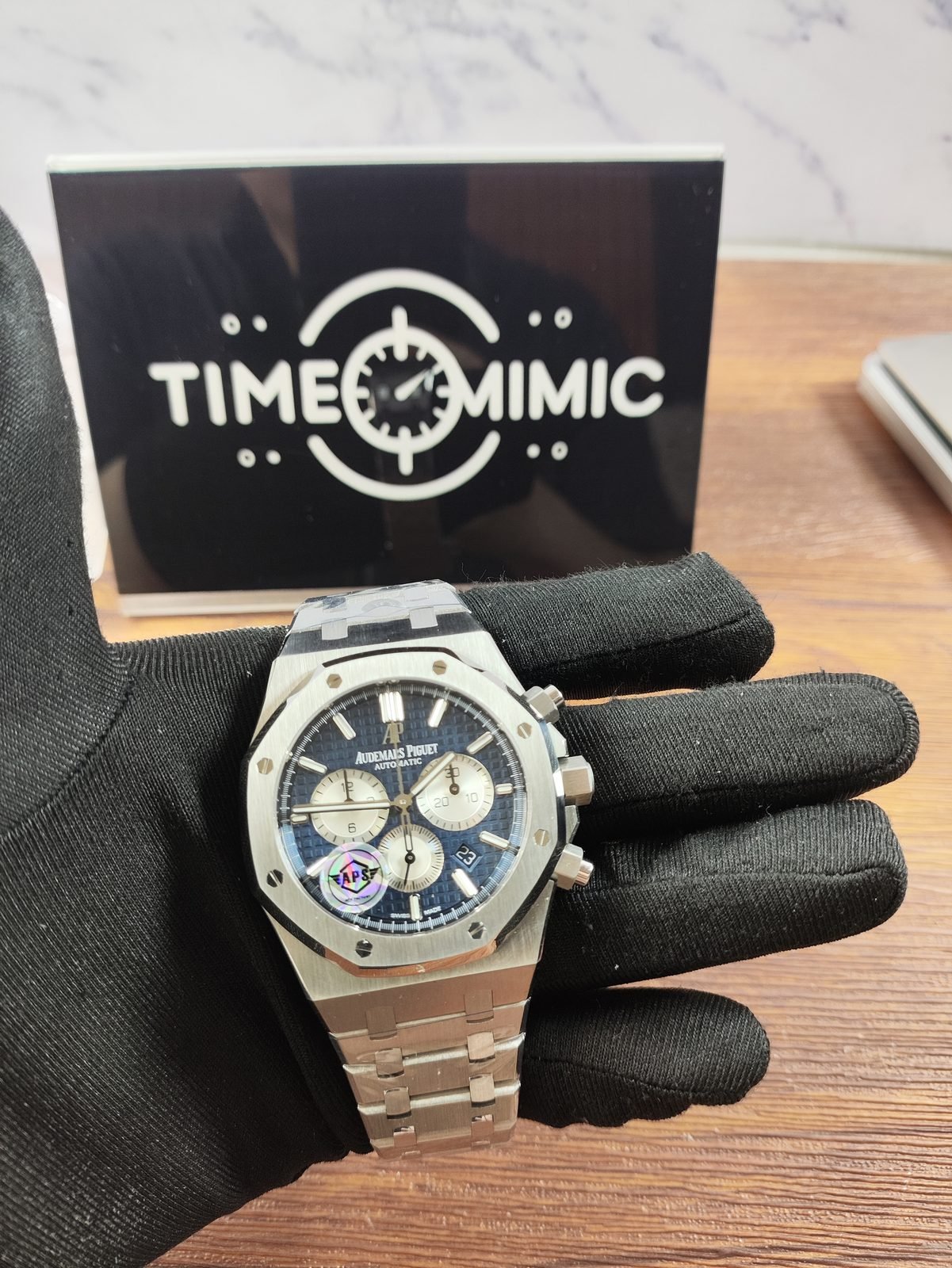
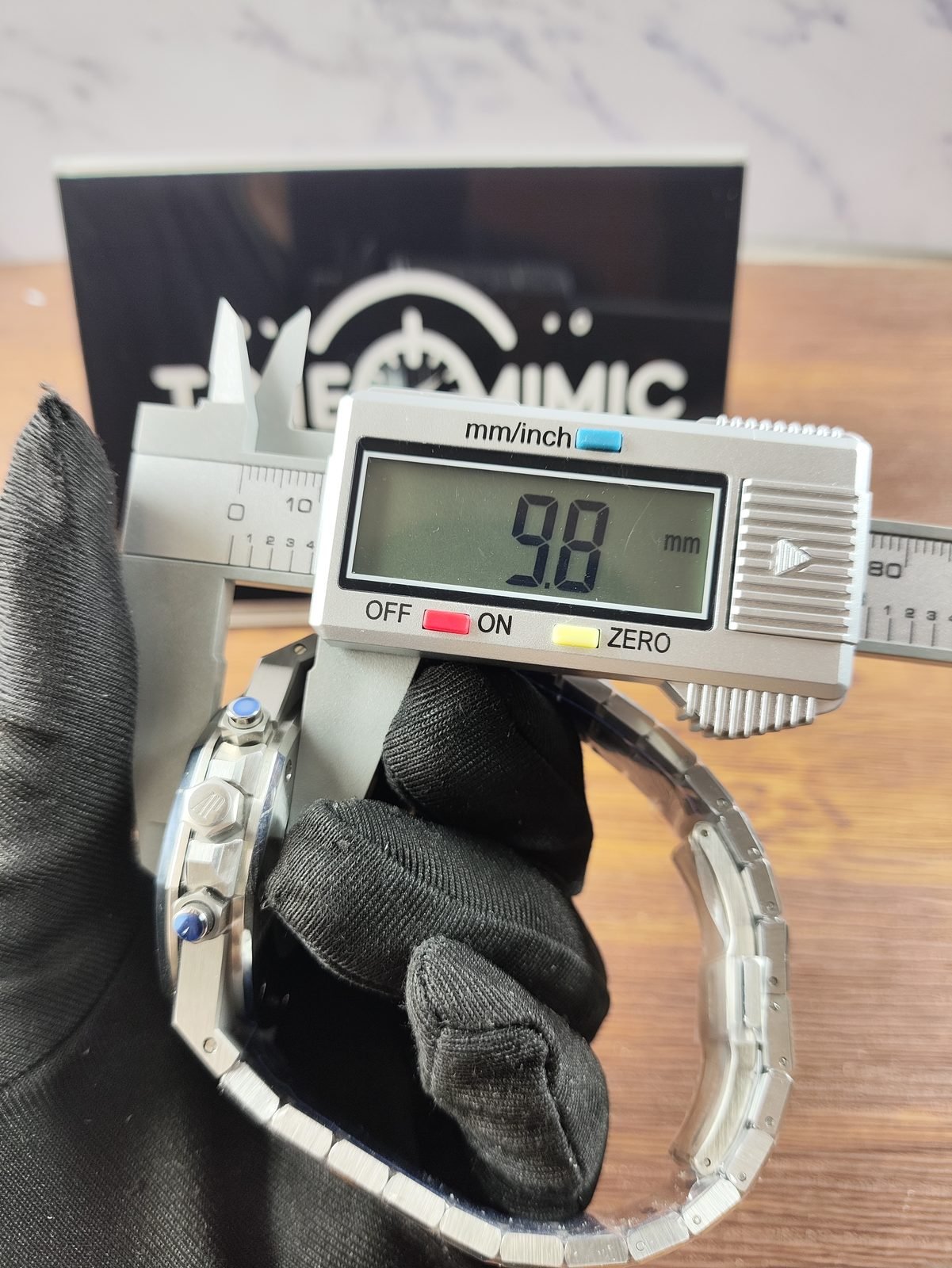
The media-library photographs below show three kinds of evidence for one chronograph-style sample. The front view records visible condition and layout. The timing-machine display records one test snapshot. The calliper image records a displayed dimension at a specific measurement point.
Each image has limits. The front view does not prove internal performance. The timing result does not guarantee future accuracy or cover every position. The calliper display should be interpreted with the jaw placement in view and does not prove all case dimensions. Together, they make a more useful QC record than a single catalogue photograph.

6. A reputable seller provides evidence and workable terms
Reviews and testimonials can help, but they should be only one part of seller research. Look for consistent specifications, original exact-sample QC, responsive answers, realistic delivery information, and terms that explain returns, warranty, faults, and repair responsibility.
Ask what happens if the delivered watch differs materially from the approved sample, arrives damaged, or develops a problem during the stated coverage period. Confirm who pays shipping, whether a local repair is allowed, what evidence is required, and how quickly a claim must be raised. Save the listing, QC approval, invoice, and terms.
A seller who can describe limits is more useful than one who promises perfection. Claims such as best factory, one-to-one, waterproof, or identical movement should be supported with specific evidence for the watch being offered.
7. The price should reflect the whole ownership package
Treat prices that seem too good to be true with caution. Compare offers using the delivered cost and the same specification. Include shipping, payment fees, taxes or duties, bracelet sizing, pressure testing, warranty, return shipping, maintenance, and the availability of replacement parts.
A higher price does not prove higher quality, just as an unusually low price does not identify the precise defect. Ask what the extra cost buys: a different movement, clearer QC, better finishing, current testing, a stronger return policy, or more practical after-sales service.
Avoid treating a replica as an investment with assured resale value. Its value is usually in personal wear and design access. A reasonable price is one that matches the documented sample, the seller's obligations, and the buyer's tolerance for future service risk.
Conclusion: turn seven features into a buying checklist
Materials, movement, visible detail, water resistance, weight and feel, seller reputation, and price are seven essential features. Checking them in a consistent order helps both newcomers and experienced buyers compare super clone watches with fewer assumptions.
The strongest purchase decision combines written specifications, exact-sample QC, relevant tests, realistic pricing, and clear after-sales terms. Time-Mimic can support that process with visible evidence and written details for the particular watch being supplied, while leaving unverified claims clearly identified.
Looking for a Top-Tier Clone or Custom Build?
Direct access to VS, ZF, 3KF, Clean & BTF factory stock. We provide detailed multi-angle QC photo & video approval prior to final payment.