What Are Super Clone Watches? The Ultimate Guide to High-Quality Replicas
Verified Reddit Watch Specialist (RepTime / RepGuild)
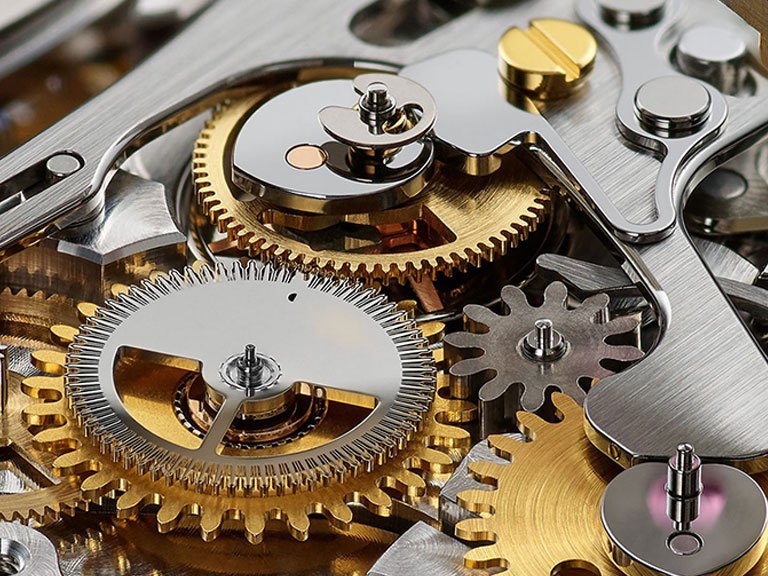
Super clone watches are replica watches sold as the closest tier to a named luxury design. The term usually suggests closer dimensions, finishing, dial details, bracelet construction, and movement appearance than lower-priced replicas. It does not describe an official grade, a shared manufacturing standard, or a certification.
That distinction matters because you cannot judge a watch from the label alone. One seller may use “super clone” for a carefully checked sample; another may attach the same words to a basic replica. Your safest approach is to define the exact features you care about, request evidence from the reserved watch, and treat every unsupported claim as unknown.
A super clone may reproduce a design closely, but it remains outside the original brand’s manufacturing records, authorized retail network, warranty, service system, and authenticity program.
First, separate the categories
| Category | What it usually means | Branding and origin | What you should expect |
|---|---|---|---|
| Authentic watch | A product made and recognized by the named manufacturer | Genuine marks, documented origin, and access to the brand’s official channels under its terms | Manufacturer specifications, warranty or service rights where eligible, and recognized provenance |
| Super clone watch | A seller’s top-tier description for a replica intended to copy a specific branded model closely | Unauthorized branding or design copying; no original-brand provenance | Similar appearance may be possible, but quality must be proven sample by sample |
| Lower-tier replica | A copy made to a lower price point, often with more visible compromises | Unauthorized branding or copied design | Greater variation in dimensions, finishing, functions, and durability |
| Homage watch | A legitimately branded watch influenced by a familiar style | Its own maker and trademark, without pretending to be the original brand | Clearer identity and often an ordinary warranty, though the design may feel familiar |
| Modified or hybrid watch | A genuine, replica, or mixed watch changed with non-original parts | Status depends on the base watch and the parts used | Authentication and service can become difficult; written disclosure is essential |
If your goal is authentic brand ownership, a replica cannot meet it. If your goal is to explore a look at a lower cost, a high quality replica watch may fit, provided you accept its legal, service, and resale limits.
Why the name “super clone” can be misleading
The word sounds technical, but sellers do not use one definition. There is no neutral body that approves a watch as a super clone. Grades such as “AAA,” “1:1,” “Swiss,” “original factory,” and “best edition” are also seller language unless the listing connects them to measurable evidence.
Price is not a reliable grade by itself. A higher price can reflect a better case, movement, bracelet, or QC process. It can also reflect marketing, shipping, extra accessories, or a large seller margin. Ask what changed between versions and request side-by-side evidence from the actual samples.
Factory names have the same problem. A familiar nickname may help enthusiasts discuss batches, but it does not prove who made the watch, which components were used, or whether the piece in front of you passed inspection. The reserved sample matters more than the claimed source.
What a close replica tries to reproduce
A detailed replica may try to match the original watch’s overall proportions, dial layout, bezel shape, hand length, date position, case profile, bracelet taper, clasp geometry, engravings, and movement decoration. Some models also attempt to reproduce complications or the position of the crown and pushers.
These features do not all carry equal importance. A wrong case thickness can change how the watch wears. A short hand or poor date alignment remains visible every time you look at the dial. A decorated rotor may look impressive in a photo while contributing little to reliability.
Start with the parts that affect your daily experience:
- Case diameter, thickness, and lug-to-lug length
- Bracelet range, first-link articulation, taper, and clasp length
- Dial, bezel, date, hand, and marker alignment
- Crown action, winding feel, setting positions, and thread engagement
- Full operation of the date, chronograph, GMT, or other advertised functions
- Movement serviceability and availability of ordinary replacement parts
- A realistic plan for water exposure and pressure testing
This list helps you avoid paying for hidden claims you cannot verify while missing an obvious fit or function problem.
How super clone watches differ from authentic watches
The most important difference is identity. An authentic watch belongs to the manufacturer’s documented system. It can have a recognized serial, retail record, certificate, warranty, archive entry, digital passport, or official service history, depending on the brand and model.
Rolex states that new genuine watches are sold through its official jewelers and that official channels guarantee authenticity under the brand’s terms. Its Certified Pre-Owned program requires watches to return to Rolex workshops, where components and original configuration are checked. Audemars Piguet states that authenticity can be confirmed only after examination in its workshops and may refuse service when counterfeit or hybrid parts are found.
A replica may copy a serial format, warranty-card appearance, seal, or movement engraving. That does not create the manufacturer’s database record or service eligibility. A visually close rolex super clone is still not a Rolex product. The same boundary applies to an omega super clone or any other copied brand.
Authentic brands also test complete products under defined procedures. METAS certification covers areas such as chronometric performance, magnetic resistance, water resistance, and power reserve for eligible watches. A seller video or one timegrapher number may help you assess a sample, but it is not equivalent to an independent certification program.
How to judge a high-quality replica
Judge quality in layers. Begin with what can be seen, then move to measurements, functions, internal evidence, tests, and seller support.
Ask for current photos of the exact watch from the front, both sides, crown, case back, bracelet, end links, and clasp. Neutral lighting and straight angles are more useful than dramatic macro shots. Request a continuous video that shows the same piece, operates the crown and every function, and ends with the identifying order note still visible.
Measurements should come from the sample. Ask for caliper photos of diameter, thickness, and lug-to-lug length, plus a scale photo and bracelet range. Do not assume the authentic model’s official dimensions apply to the replica.
For the movement, request a clear photograph and ask a local watchmaker whether it can be identified and serviced. Decorative text does not prove a movement’s origin. If timing matters, request a timegrapher video with the position, wind state, and test duration stated. Read it as one result, not a lifetime promise.
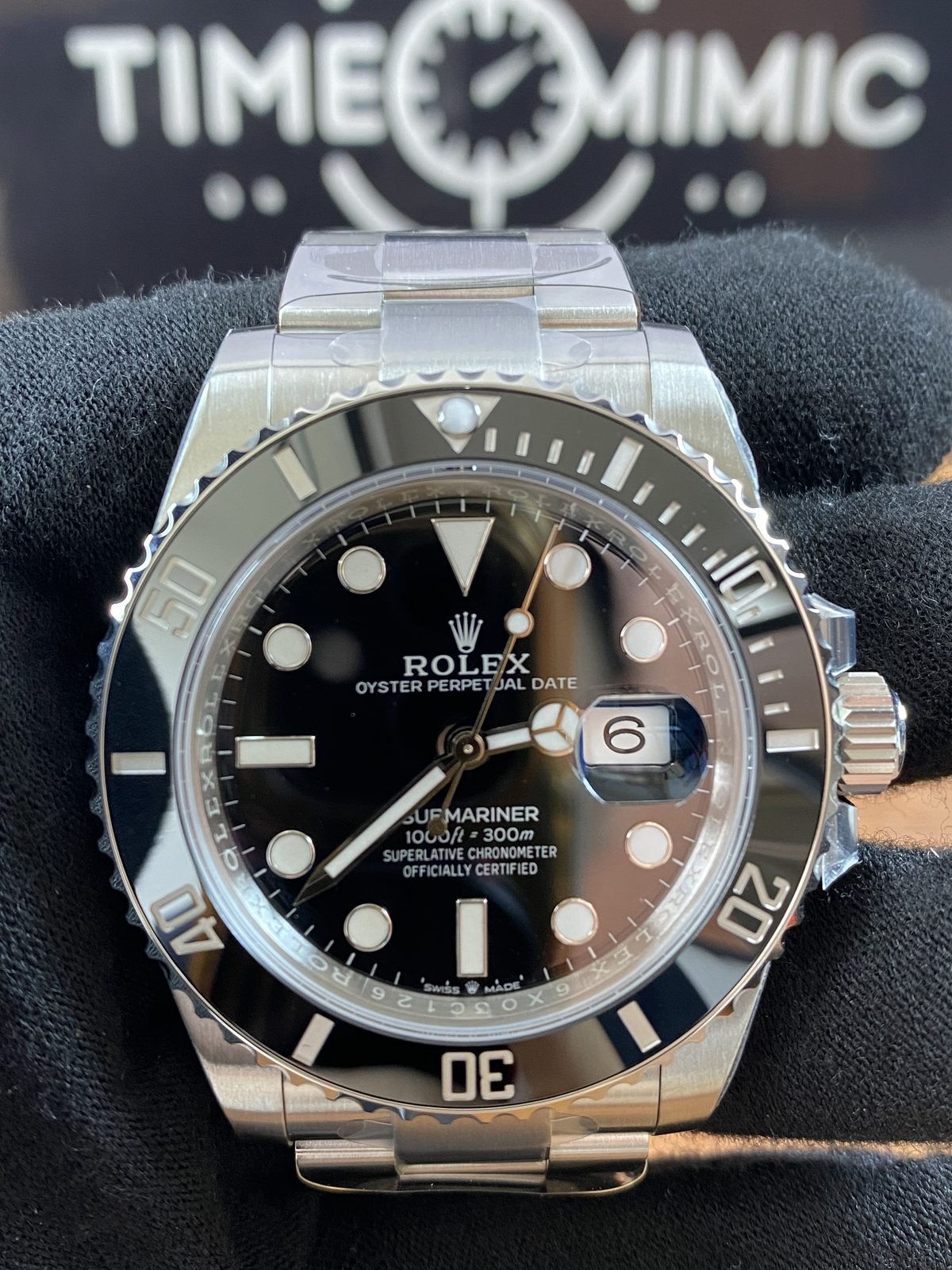
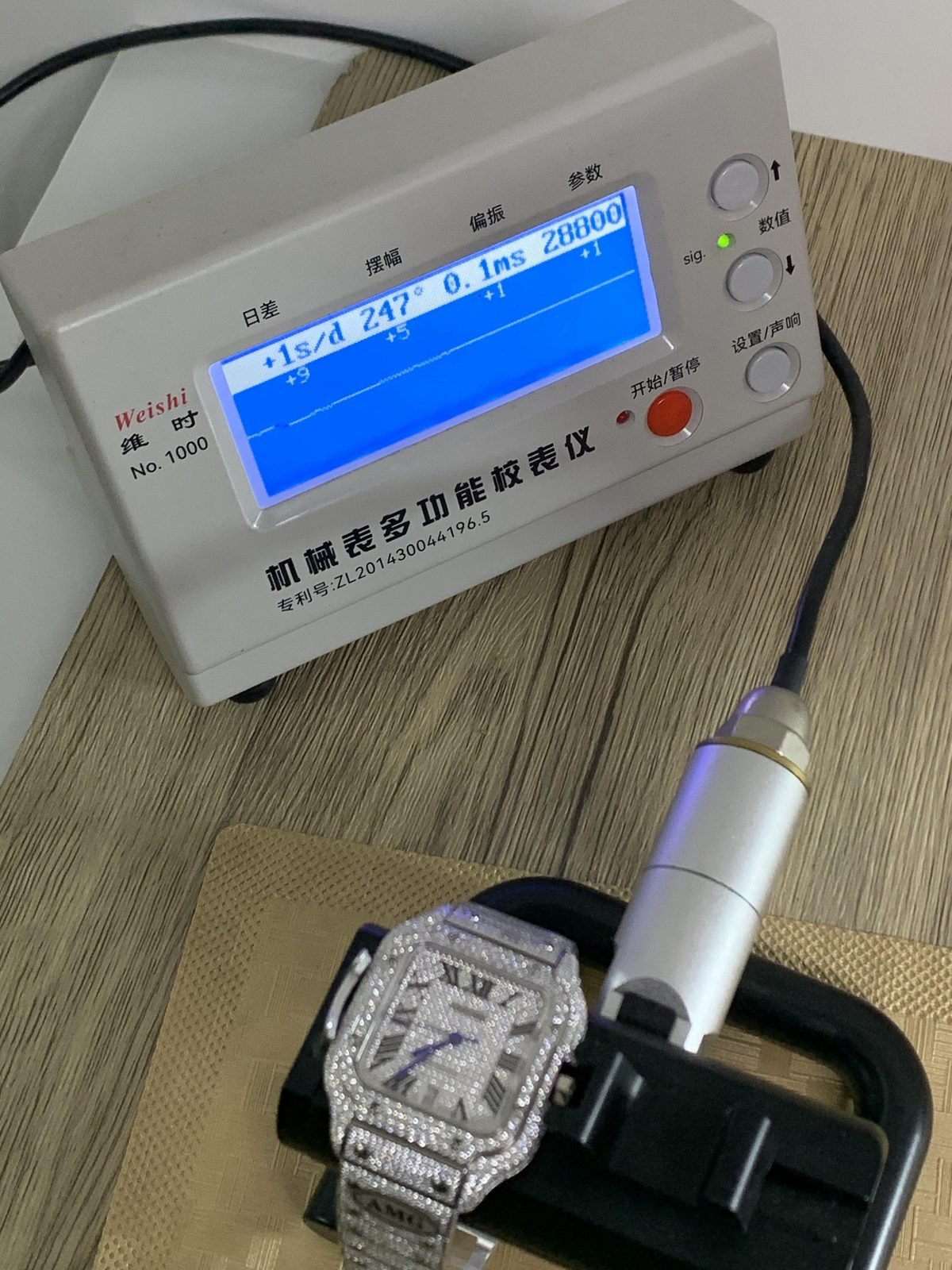
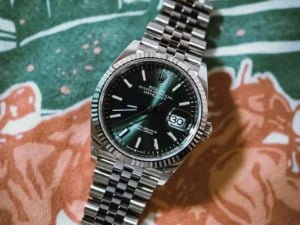
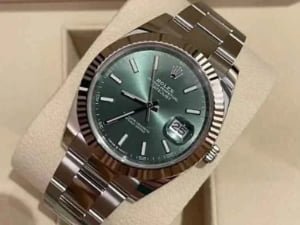
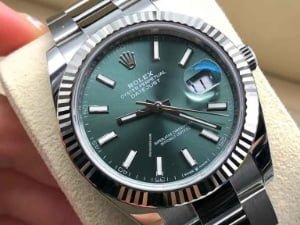
The QC images below show the right evidence boundaries. The front view can reveal visible alignment and condition. The timegrapher shows one measured setup. Neither proves authenticity, material composition, water resistance, movement origin, or future durability.
What photographs still cannot tell you
Sharp photographs can make a watch easier to inspect, but they remove touch, sound, resistance, and time from the decision. You cannot feel a rough bracelet edge, weak clasp spring, loose crown tube, gritty winding action, or unbalanced case through a screen. You also cannot know whether an edited image hides dust, scratches, or color differences.
Video adds useful evidence when it is continuous and shows the exact sample. Even then, it captures only a few minutes. It cannot establish how lubricant, seals, plating, or movement parts will age. A watch can pass a function video and still develop a problem after transport or several weeks of wear.
Use remote QC to reject visible and functional problems before shipping. Use your delivery inspection to evaluate touch, fit, sound, and real operation. Use a qualified local watchmaker when the claim requires tools, opening the case, or material knowledge. Each stage answers a different question.
This layered method also protects you from chasing microscopic differences that do not affect your use. If you cannot see a detail without extreme magnification, decide whether it deserves more attention than bracelet comfort, repair access, or a secure clasp.
Common claims and the evidence they need
| Seller claim | Useful evidence | What still remains uncertain |
|---|---|---|
| “Same dimensions as original” | Caliper photos from the reserved sample and a straight side view | Wearing comfort, balance, and whether every contour matches |
| “Sapphire crystal” | Credible material documentation or qualified local testing | Coating quality, installation, seal condition, and future damage |
| “904L steel” or another alloy | Traceable material evidence or independent composition testing | Heat treatment, finishing quality, and every component’s material |
| “Swiss movement” | Exact caliber identification, clear movement photos, and valid origin evidence | Assembly quality, regulation, service history, and parts route |
| “Waterproof” | Dated pressure-test method and result tied to the exact watch | Resistance after shipping, opening, impact, or gasket aging |
| “Perfect timekeeping” | Stable timegrapher video in stated positions plus real-wear observation | Performance across the power reserve, temperature, shock, and future wear |
| “One-to-one” | A written list of dimensions and functions that were actually compared | Authenticity, official certification, service rights, and complete equivalence |
ISO maintains separate watch standards for water resistance, shock resistance, magnetic resistance, watch glasses, and other properties. This is a useful reminder that one broad sales phrase cannot replace several different tests.
ISO 22810, for example, sets requirements and test methods for watches sold as water resistant. A screw-down crown or diver-style case is not a pressure result. If water use matters to you, keep the delivered watch dry until a trusted local watchmaker tests it.
What affects price
The listing price can reflect the case and bracelet construction, movement choice, dial work, crystal, complication, finishing, accessories, seller QC, shipping method, and promised support. None of those factors guarantees value unless you can verify what you receive.
Compare total ownership cost:
- Purchase price and payment conversion
- Shipping, insurance, tax, duty, and customs handling
- Bracelet sizing, pressure testing, and initial regulation
- A realistic repair or movement replacement reserve
- Return shipping if the seller accepts a claim
A cheaper watch with a common, repairable movement and honest specifications may be a better daily purchase than an expensive luxury replica watch with elaborate decoration and no parts route.
Do not treat a replica as an investment. Resale channels may prohibit it, local law may restrict the transaction, and buyers may distrust its history. Spend only an amount you can afford to treat as a personal-use cost.
Legal, customs, and ethical limits
Trademark law focuses on unauthorized use that can confuse people about the source of goods. WIPO’s enforcement overview explains the distinction between trademark infringement and counterfeit trademark goods. The exact rules and consequences still depend on jurisdiction.
Import is a separate issue from possession. Customs authorities may detain or seize counterfeit goods. OECD research shows that counterfeit watches are frequently moved in small parcels, a channel that receives enforcement attention. A personal traveler exemption in one country does not mean a mailed order is permitted or protected.
Check the rules for your destination before ordering. Ask the seller who bears the loss if a parcel is detained and do not accept a guarantee of customs clearance as legal advice. Never resell or present a replica as authentic.
The ethical decision is yours, but it should be informed. You should know that the watch copies someone else’s marks or protected design, sits outside the original maker’s support system, and may create customs or resale problems.
A safer buying workflow
Start by writing the exact reference, size, color, bracelet, functions, and options you expect. Get the total price and all seller promises in writing. Ask whether QC is performed on your reserved sample and whether you may reject it before shipping.
The Federal Trade Commission advises buyers to research sellers, inspect actual-item photos, read return rules, keep messages, and use safer payment methods. Do not move outside a marketplace’s protected checkout for a discount. Avoid gift cards, wire transfers, or other payment methods that leave you with little practical recourse.
Before approval:
- Match the QC watch to your order details.
- Review every angle on a large screen.
- Check measurements and function videos.
- Save the listing, messages, invoice, and approved media.
- Confirm the claim deadline and return address.
At delivery, film the sealed parcel before opening it. Compare the watch with the approved sample before removing protective film or sizing the bracelet. Test winding, setting, date change, clasp, and all complications. Contact the seller inside the written window if something is wrong.
During the first week, record the watch’s real behavior. Note daily timing, power reserve, date change, crown action, rotor noise, clasp security, and any condensation. Do not expose it to water until it has passed a local pressure test. If you find a fault, stop using the affected function and preserve photos, videos, and written messages before arranging repair or return.
Keep the movement identity, measurements, seller terms, and service notes with the watch. These records will not turn it into an authentic product, but they can make future maintenance easier and prevent you from forgetting what was actually verified.
Who should and should not consider one
A super clone may suit you if your main goal is private enjoyment of a design, you understand that it is a replica, you can evaluate sample-level QC, and you accept limited service and resale options.
It is a poor fit if you want authentic brand ownership, documented provenance, official warranty, authorized service, predictable resale, or a watch you can present as genuine. It is also a poor fit if losing the purchase price or the parcel would cause financial stress.
Legitimate alternatives include a homage watch with its own branding, an established lower-priced manufacturer, a pre-owned authentic watch with professional authentication, or a longer savings plan for the original. These choices may give you clearer ownership, support, and resale rights.
Final answer
Super clone watches are premium-positioned replicas, not an official class of watch. The best examples may offer close visual proportions and a satisfying wearing experience, but the label does not prove quality. You need evidence from the exact sample.
Focus on visible QC, measured dimensions, complete function checks, movement serviceability, narrowly read timing and pressure tests, written seller terms, protected payment, and local legal rules. Keep authentic-brand identity, certification, warranty, and service separate from appearance. Once those boundaries are clear, you can decide whether the watch fits your goal without asking a marketing term to answer questions it cannot answer.
Looking for a Top-Tier Clone or Custom Build?
Direct access to VS, ZF, 3KF, Clean & BTF factory stock. We provide detailed multi-angle QC photo & video approval prior to final payment.