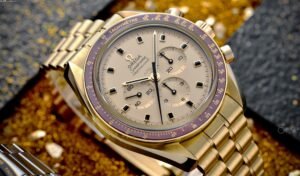
Super Clone Watches vs. Authentic Luxury Watches: Key Differences
Verified Reddit Watch Specialist (RepTime / RepGuild)
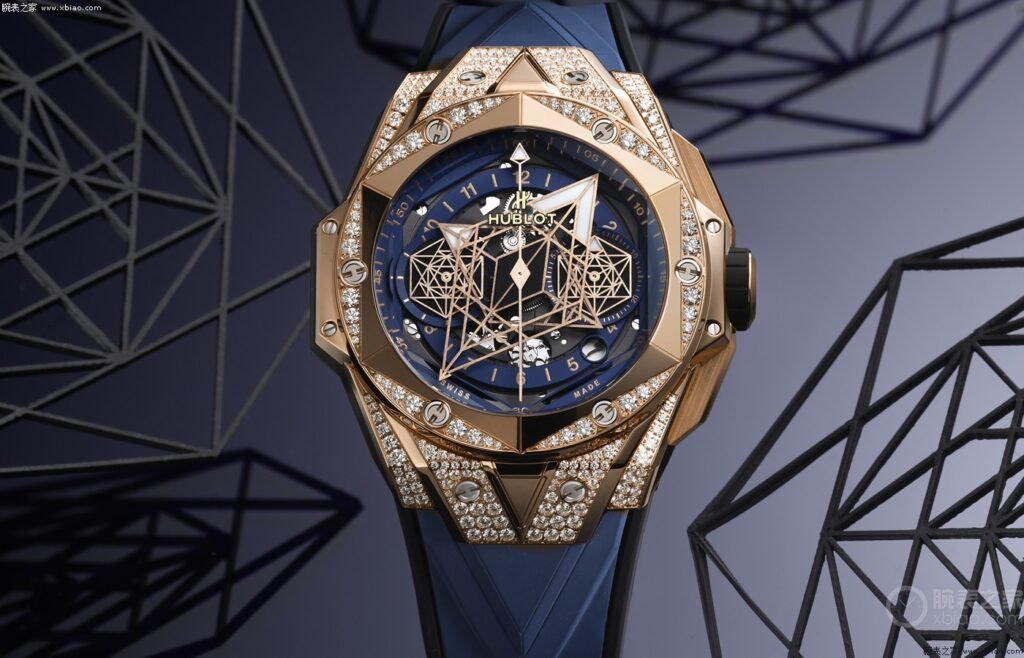
Super clone watches are designed to resemble well-known luxury models as closely as possible, while authentic luxury watches are the original products made and supported by the brand. From a distance, a strong replica may capture the same case shape, dial layout, and wrist presence. The deeper differences appear in engineering, finishing consistency, quality control, service, provenance, and long-term ownership.
The comparison is most useful when it avoids two extremes. A high-end replica is not automatically a cheap toy, and it is not the same product as the genuine watch. The points below explain where a super clone can deliver convincing value and where an authentic timepiece retains clear advantages.
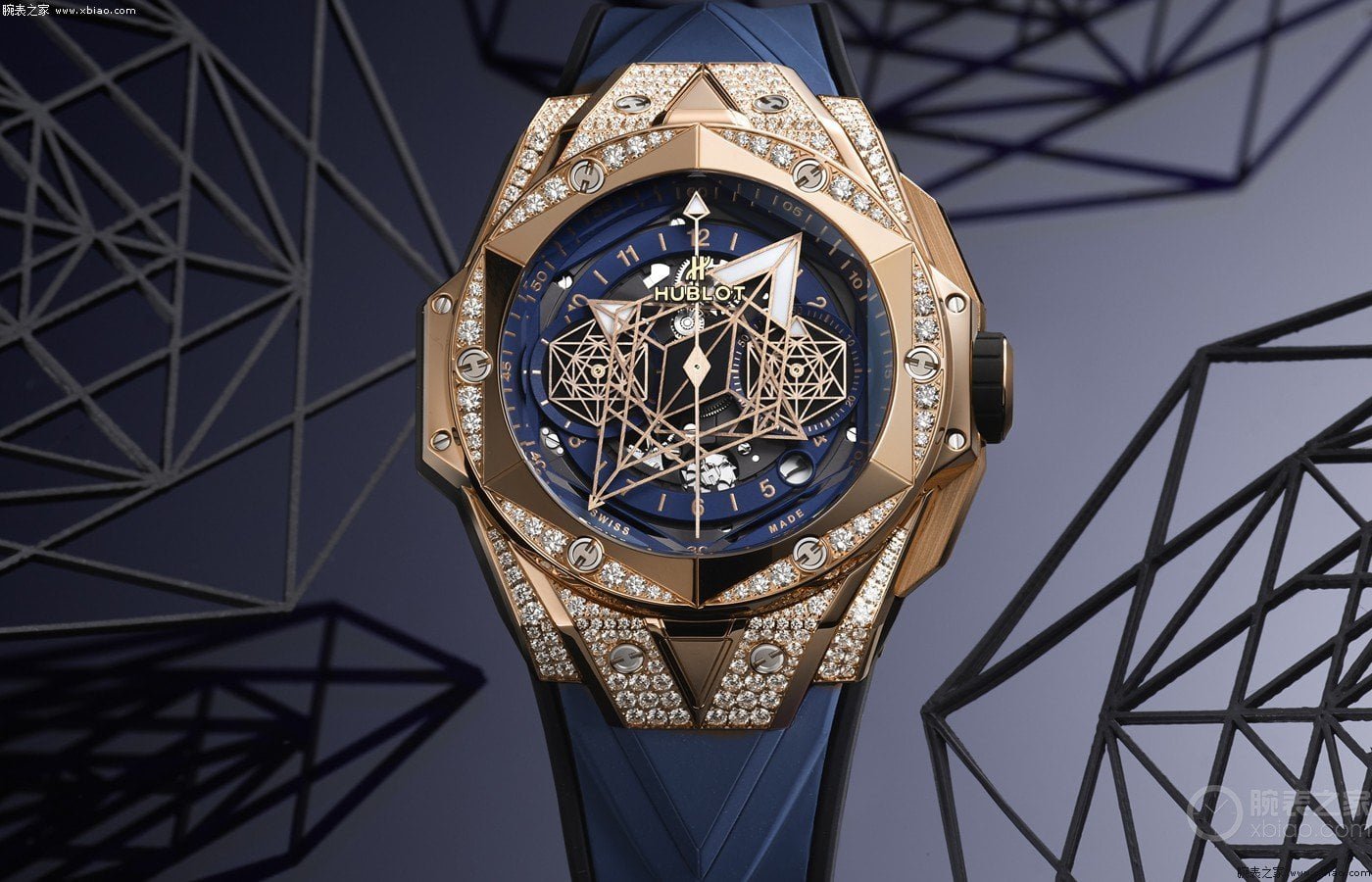
At a Glance
| Area | Super clone watch | Authentic luxury watch |
|---|---|---|
| Design | Replicates an existing model | Original brand design and product |
| Movement | Varies by maker and version | Specified, documented, and brand-supported |
| QC | Depends heavily on seller and sample photos | Brand and authorized-channel quality systems |
| Service | Independent or seller-arranged; parts may vary | Official or authorized service network |
| Provenance | No authentic brand provenance | Serial, papers, and ownership history may be documented |
| Resale | Limited and uncertain | Established market for some brands and models, never guaranteed |
Design and Visual Accuracy
Visual accuracy is where super clone watches compete most directly. Better examples pay attention to case proportions, bezel shape, dial texture, marker placement, hand length, date-window position, and bracelet construction. These details can produce a convincing result in normal wear and photography.
Close inspection can still reveal differences. Fonts may be slightly heavier, polished edges may be less crisp, lume can have a different tone, and the transitions between brushed and polished surfaces may not be as controlled. The phrase exact replica watches is best understood as a search term or marketing claim, not a measurable guarantee. Manufacturing tolerances and finishing can vary from one batch, and even one sample, to another.
Materials and Build Quality
Authentic manufacturers publish materials and references for each model, then build the watch within a controlled supply and quality system. The buyer can usually identify the case alloy, crystal, movement, bracelet, and official water-resistance rating from brand documentation. Finishing may include complex polishing, brushing, engraving, and hand-applied decoration.
A luxury replica watch may list stainless steel, sapphire crystal, ceramic, or plated finishes, but the specification needs to be checked for that exact version. A seller’s photo can show the surface and construction; it cannot independently prove the alloy or coating thickness. Practical QC therefore focuses on what can be observed: alignment, gaps, sharp edges, clasp operation, loose components, scratches, and consistent finishing.
Movements, Functions, and Accuracy
Authentic luxury watches may use in-house calibres, movements supplied by specialist manufacturers, or extensively modified base movements. What matters is that the calibre, functions, service procedure, and performance targets are documented by the brand. Complications are engineered as part of the original product rather than added only to imitate a dial layout.
Replica watches use many different movement solutions. Some copy the appearance or architecture of a genuine calibre; others use a reliable commercial movement behind a decorated plate. Listings for swiss movement replica watches should name the actual movement rather than relying on country-of-origin language. Buyers should also confirm whether every subdial, date display, chronograph pusher, or additional hand works as expected.
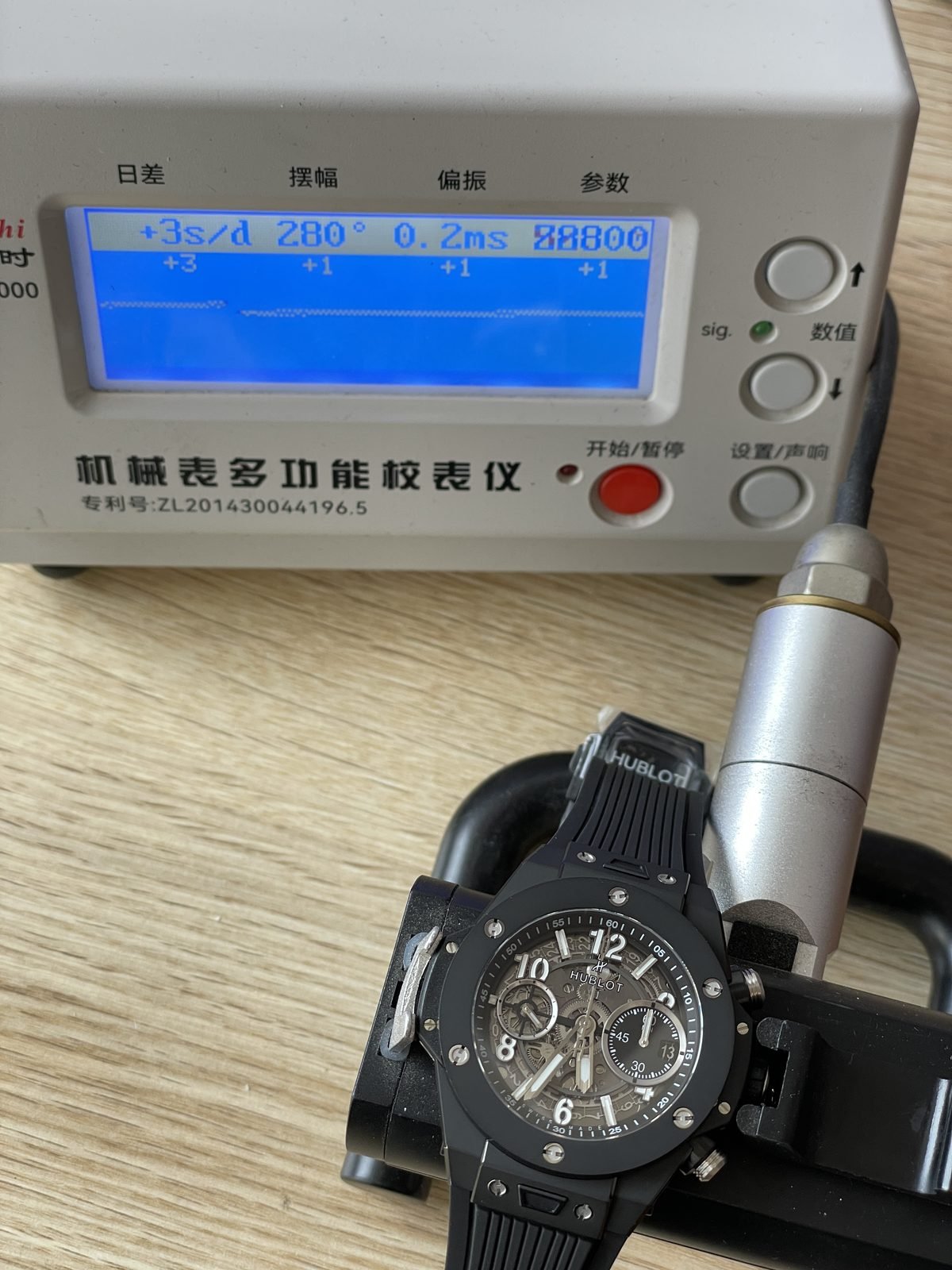
A timegrapher check is useful for a mechanical sample because it records rate, amplitude, and beat error at that moment and in that test position. It cannot predict future reliability, resistance to shock, or performance in every position. Authentic watches benefit from defined testing and service standards; replica performance depends more on the individual movement, assembly, and QC.
Quality Control and Water Resistance
With an authentic watch, the brand and authorized retailer stand behind the delivered product. If the watch is outside specification, the warranty and service network provide a defined route for inspection. A replica seller may offer useful QC, but standards and remedies vary. This makes the seller’s process almost as important as the model itself.
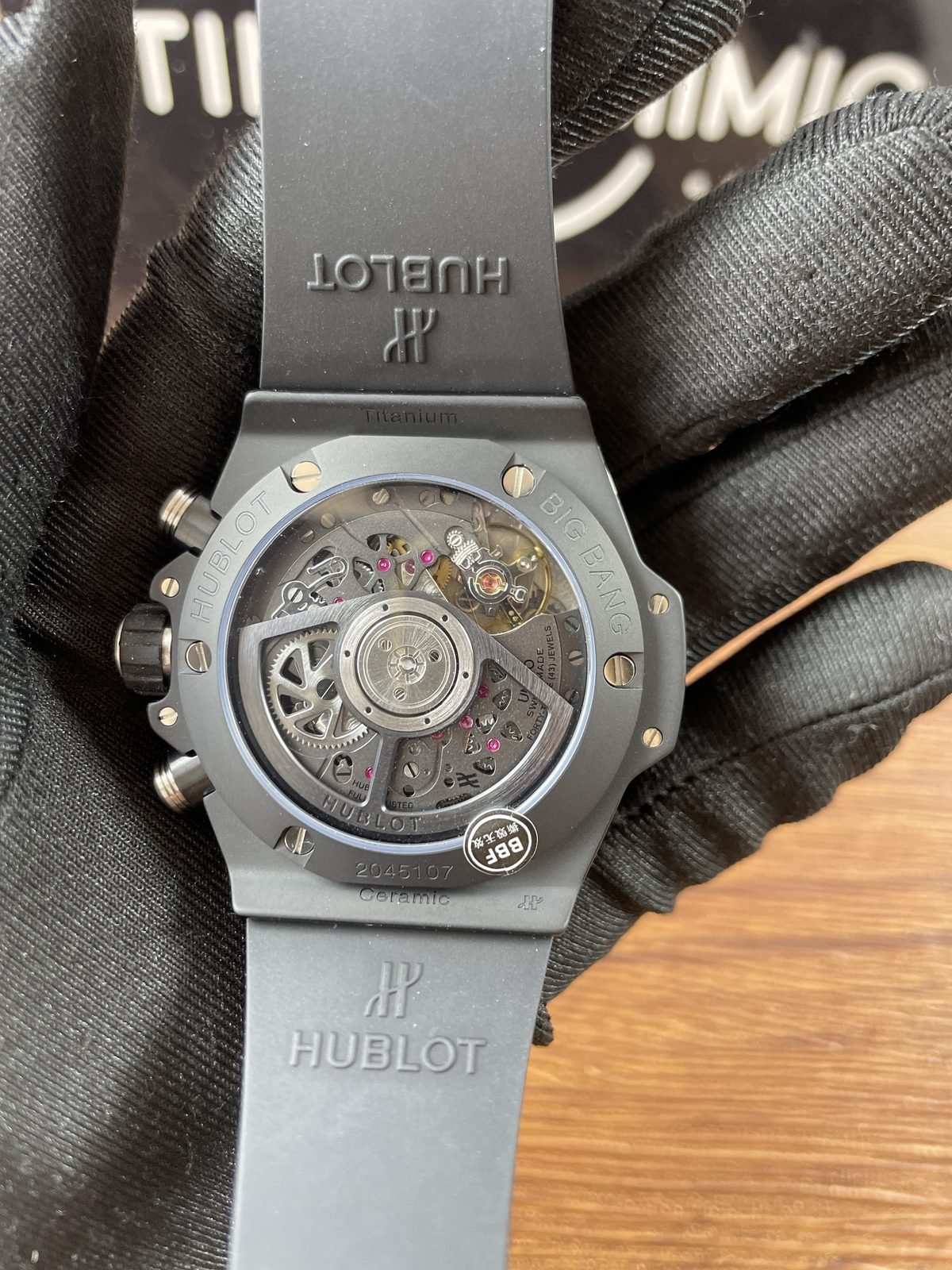
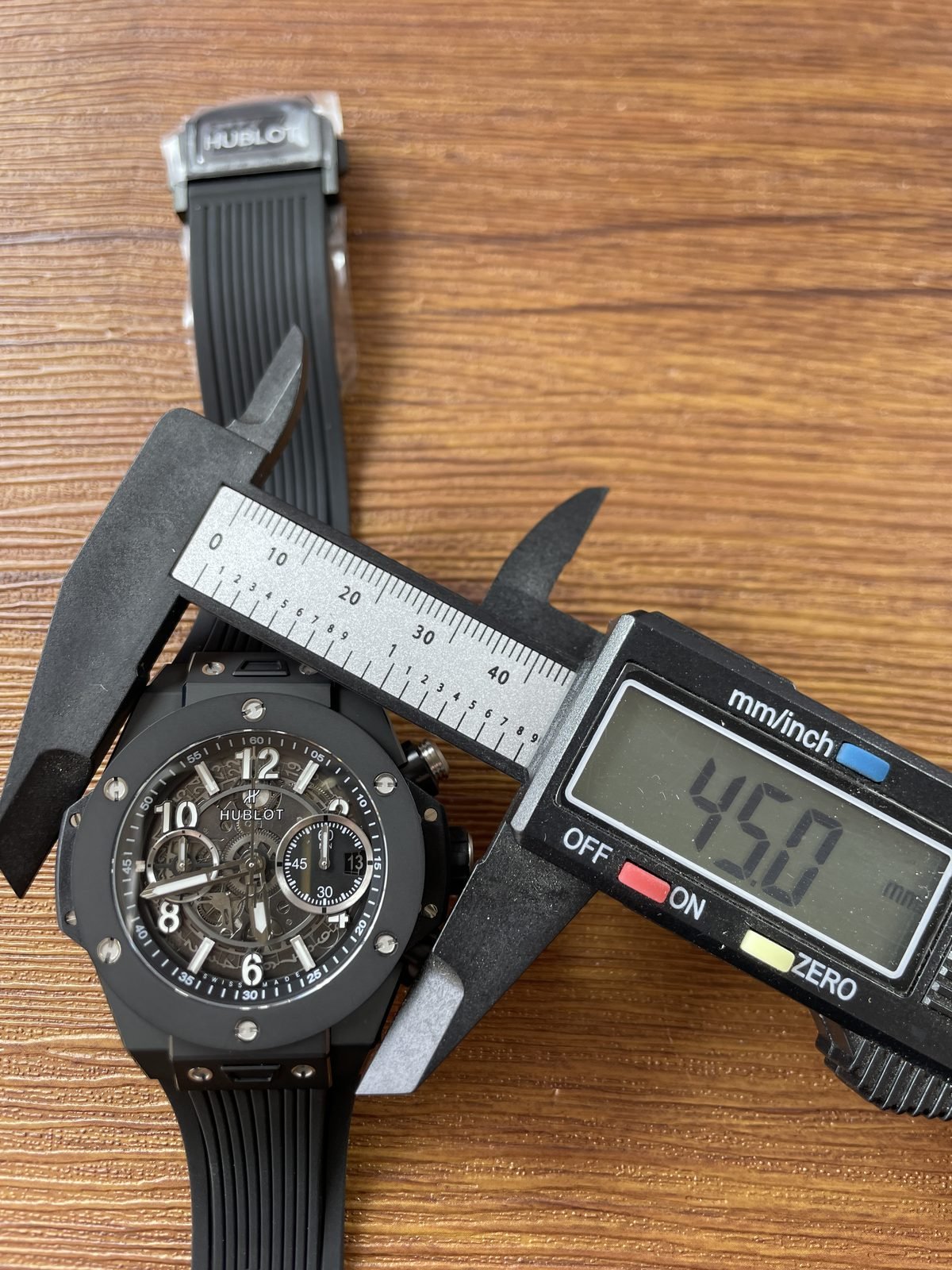
Sample-specific QC should include clear front, side, clasp, and caseback views. Measurements can verify visible dimensions and weight. Pressure testing is required if the buyer expects documented water resistance; resemblance to a genuine dive watch does not transfer the original model’s rating. Any test should identify the sample and test conditions, and the buyer should understand what the warranty covers.
Service, Parts, and Longevity
Official service is one of the largest practical differences. An authentic owner can usually approach the brand or an authorized service center for assessment, replacement parts, refinishing, and documented maintenance. Service can be costly, but the process and parts channel are established.
A super clone may need an independent watchmaker or a seller-arranged repair. Some standard movements are straightforward to service; specialized clone movements may be harder to repair if parts are unavailable. Before buying, ask what happens if the watch arrives damaged, stops within the warranty period, or needs a replacement crown, crystal, clasp, or movement later.
Price, Resale, and Financial Expectations
The lower purchase price is the main advantage of a super clone. It reduces the cost of trying a design and can make daily wear feel less financially stressful. That price should still be judged against the specific movement, finishing, QC, warranty, and seller support rather than the size of the claimed discount from the authentic model.
An authentic luxury watch can have a recognized secondary market, but appreciation is never automatic. Brand, reference, condition, service history, originality, documentation, demand, and timing all affect value. A replica should be treated as a consumption purchase with limited resale options. It must never be offered as genuine.
Provenance and the Ownership Experience
For many collectors, provenance is central to an authentic watch. The brand, reference history, serial information, papers, service records, and connection to the original design all contribute to the experience. These qualities cannot be reproduced through visual similarity.
Other buyers care more about aesthetics, wrist presence, and trying different designs. For them, a well-presented super clone may meet the intended purpose. The choice becomes clearer when the buyer decides whether the goal is design access or ownership of the original object and its history.
Which Choice Fits Which Buyer?
Super clone watches can be visually persuasive and enjoyable to wear, but they do not replace the original product’s engineering record, brand support, or provenance. Authentic luxury watches provide a more structured ownership path, while replicas trade those advantages for a much lower entry price. Understanding that exchange is more useful than asking whether one category is universally “better.”
- Choose authentic when original engineering, provenance, official service, and collector value are priorities.
- Consider a super clone when the main goal is exploring a design at a lower cost and you accept uncertain service and resale.
- In either case, verify the exact reference, dimensions, functions, seller terms, and the evidence provided for the actual watch.
- Check the laws and customs rules that apply to branded replicas in your location.
Looking for a Top-Tier Clone or Custom Build?
Direct access to VS, ZF, 3KF, Clean & BTF factory stock. We provide detailed multi-angle QC photo & video approval prior to final payment.