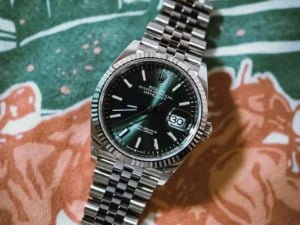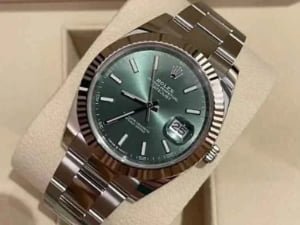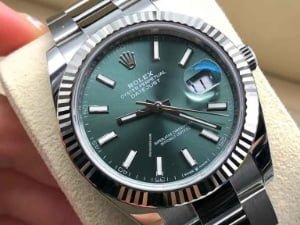
Super Clone Watches Explained: Quality, Craftsmanship, and Value
Verified Reddit Watch Specialist (RepTime / RepGuild)
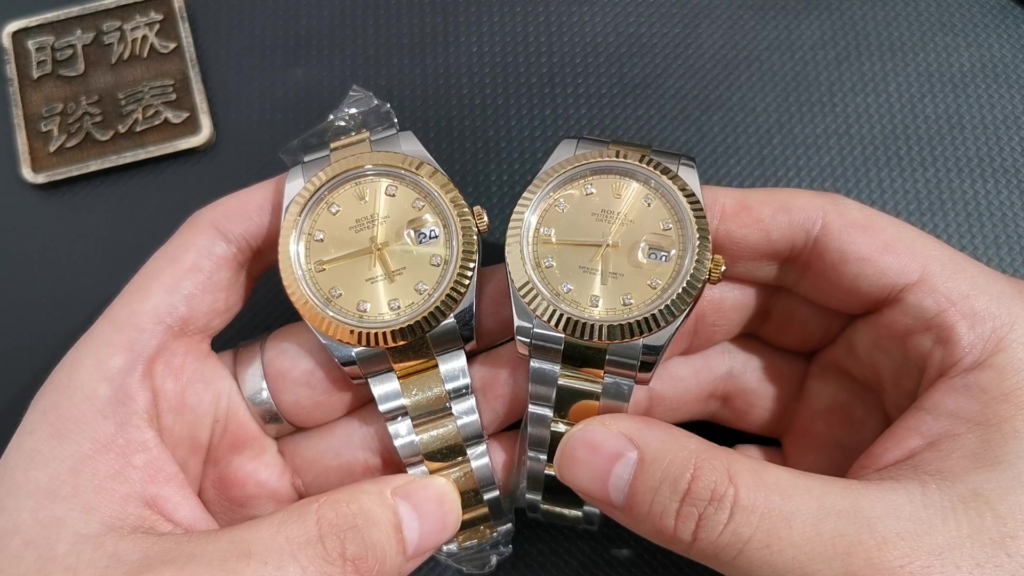
Super clone watches have become a frequent topic among people who admire luxury-watch design but are unwilling or unable to pay the price of an authentic model. The original article explains their appeal through three connected ideas: better quality than an entry-level copy, closer craftsmanship, and a more accessible purchase price. Those points still define the category.
The phrase super clone is a seller term rather than an independent manufacturing grade. It can describe very different watches, so the label alone cannot establish the steel, crystal, movement, dimensions, water resistance, or durability of a particular piece. A useful assessment begins with the exact reference and version, then checks the current sample against written specifications and visible evidence.

At a Glance
| Area | Authentic luxury watch | Super-clone sample |
|---|---|---|
| Materials | Brand-documented specification | Seller claim that needs sample evidence |
| Movement | Named calibre and official service path | Exact movement and repair path should be confirmed |
| Provenance | Serial, papers and brand history | Seller disclosure and transaction record |
| Long-term value | Model- and market-dependent | Usually limited resale value |
1. What are super clone watches?
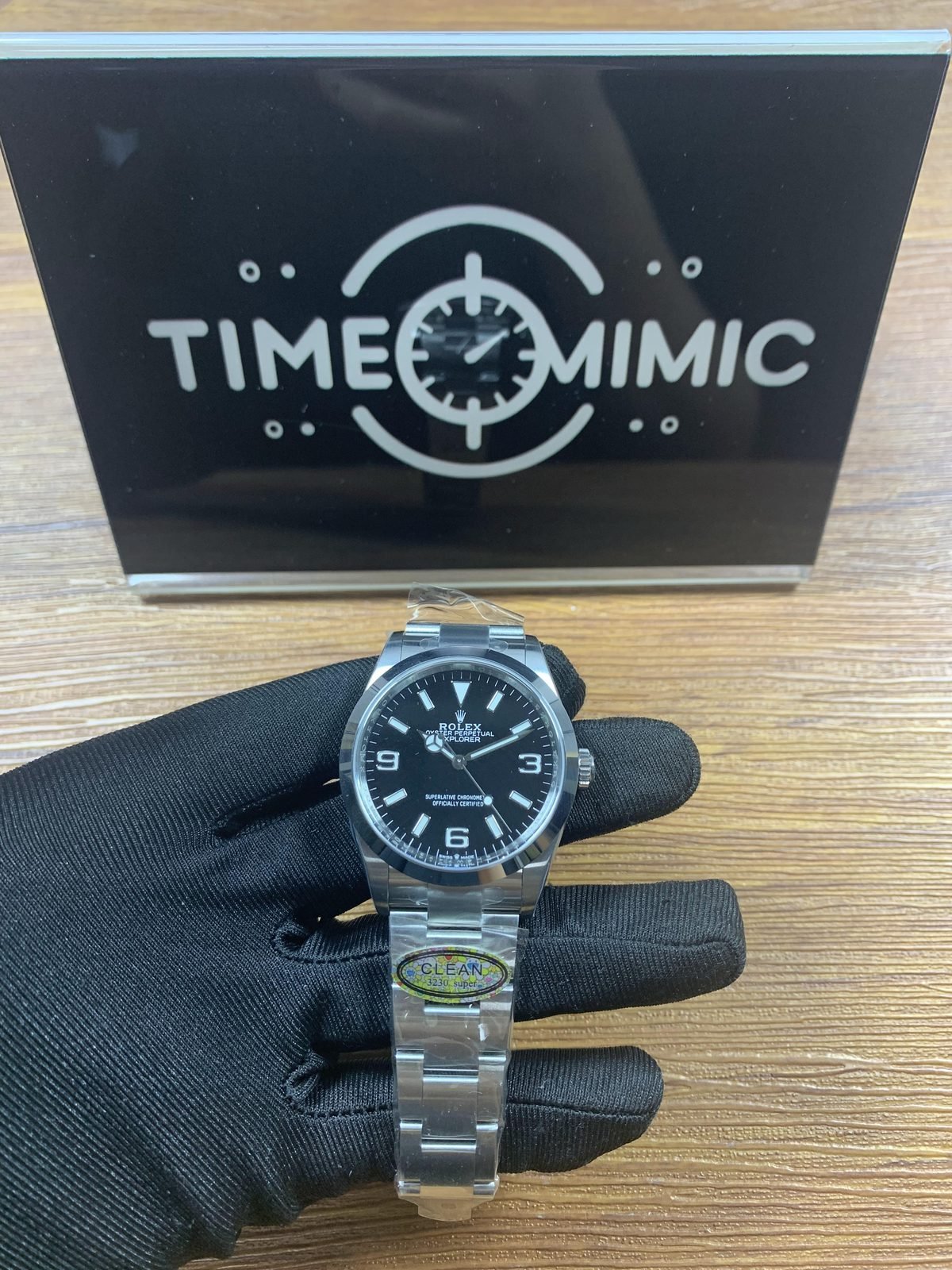
Super clone watches are replicas built to reproduce the appearance and operation of established luxury models more closely than basic copies. Makers may concentrate on case geometry, dial printing, hand shape, bracelet construction, clasp details, weight, and functional layout. The goal is a familiar wearing experience at a fraction of the authentic watch's price.
That goal does not make a replica identical to the original. An authentic watch carries documented manufacture, official quality control, a known calibre, brand service, and provenance. A luxury replica watch comes through a different supply chain and must be evaluated as an individual sample. Version names and factory labels can help identify a listing, but they are not substitutes for evidence.
2. Quality begins with materials and build
The source article identifies materials as a major dividing line between cheap copies and a high quality replica watch. Listings commonly mention 316L stainless steel, sapphire crystal, ceramic components, leather, rubber, or titanium. When accurately specified and properly assembled, these materials can improve clarity, comfort, corrosion resistance, and the feel of the case or bracelet.
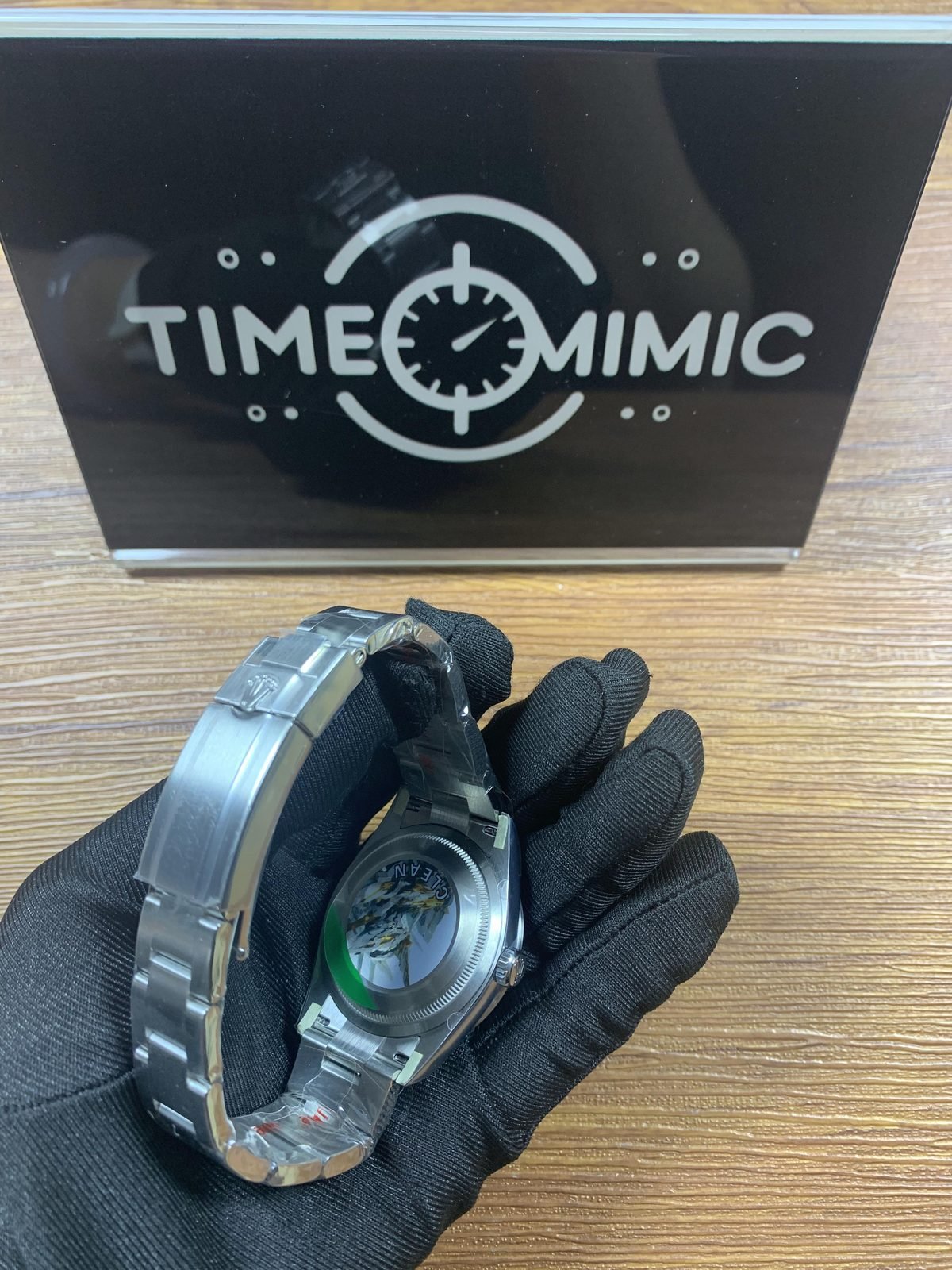
A polished surface cannot confirm the alloy, and a clear crystal cannot prove that it is sapphire. Ask for the specification in writing and examine the parts that reveal construction quality: the transition between brushed and polished surfaces, the fit of the end links, the action of the clasp, the crown threads, the seating of the crystal, and the consistency of gaps around the case. Sharp edges, loose links, uneven finishing, and an unstable crown are more informative than broad claims such as top grade.
Strap quality matters as well. Leather should have even stitching and clean edges, while rubber should fit the case without distortion. A titanium claim needs confirmation because appearance alone is unreliable. Water resistance should be treated as unproven until the exact watch passes an appropriate pressure test; a seller's generic rating is not a test result for the watch in hand.
3. Craftsmanship is visible in proportion and finishing
The original article describes close study of an authentic watch, computer-aided design, machining, engraving, polishing, and skilled assembly. Those methods can improve consistency when they are genuinely used. Precise drawings help control lug shape, bezel width, crown position, dial layout, bracelet taper, and overall weight distribution. Careful assembly then determines whether the parts come together cleanly.
Manufacturing stories are difficult for a buyer to verify, so the finished sample deserves more attention than the story. Review marker alignment, the spacing and sharpness of printed text, hand clearance, date centring, bezel action, case symmetry, and the transition between finishing styles. Compare photographs taken straight on and from both sides. A single flattering angle can hide a tilted marker, a thick case profile, or a poorly fitted end link.
4. Dimensions, weight and movement claims
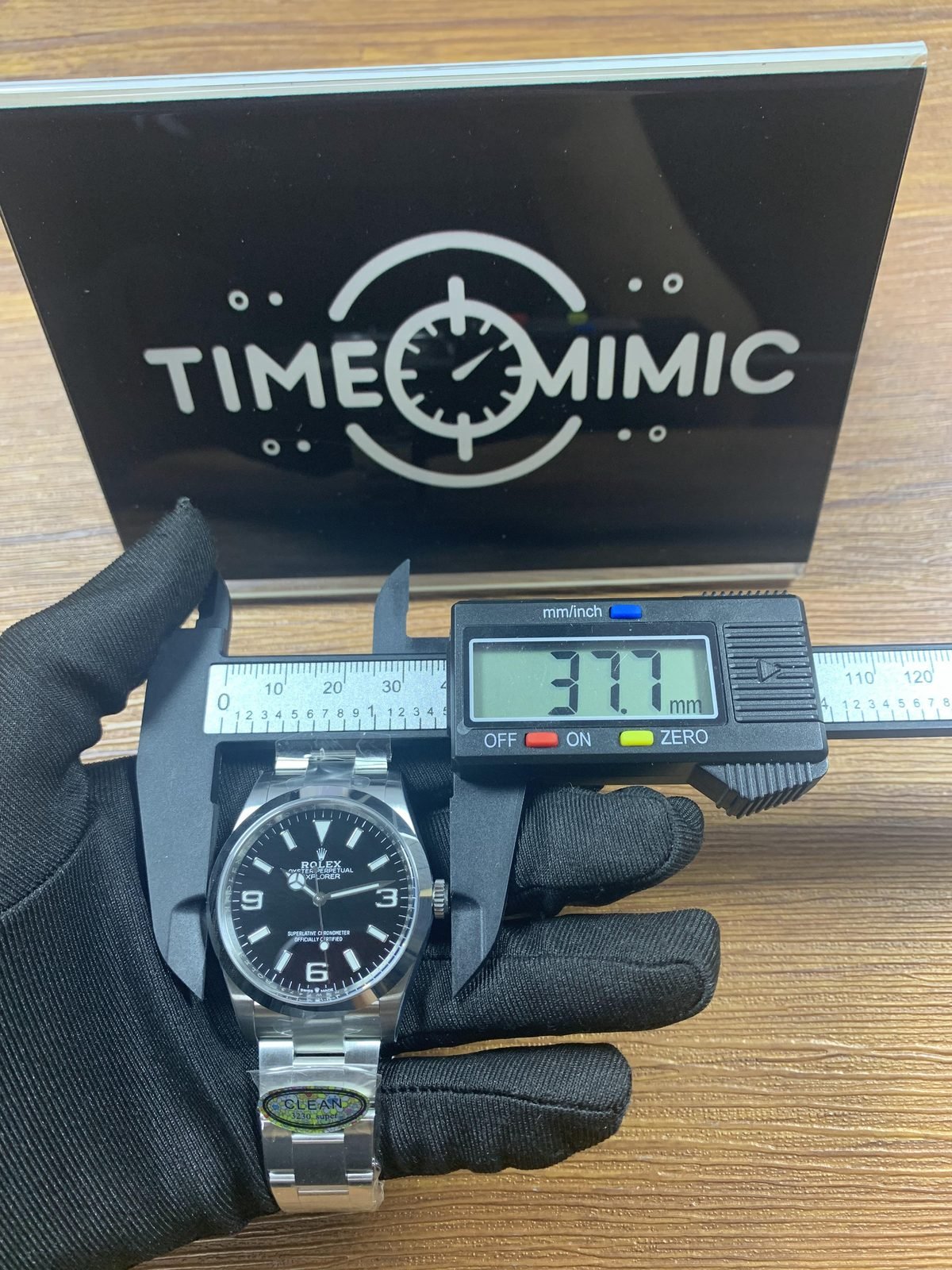
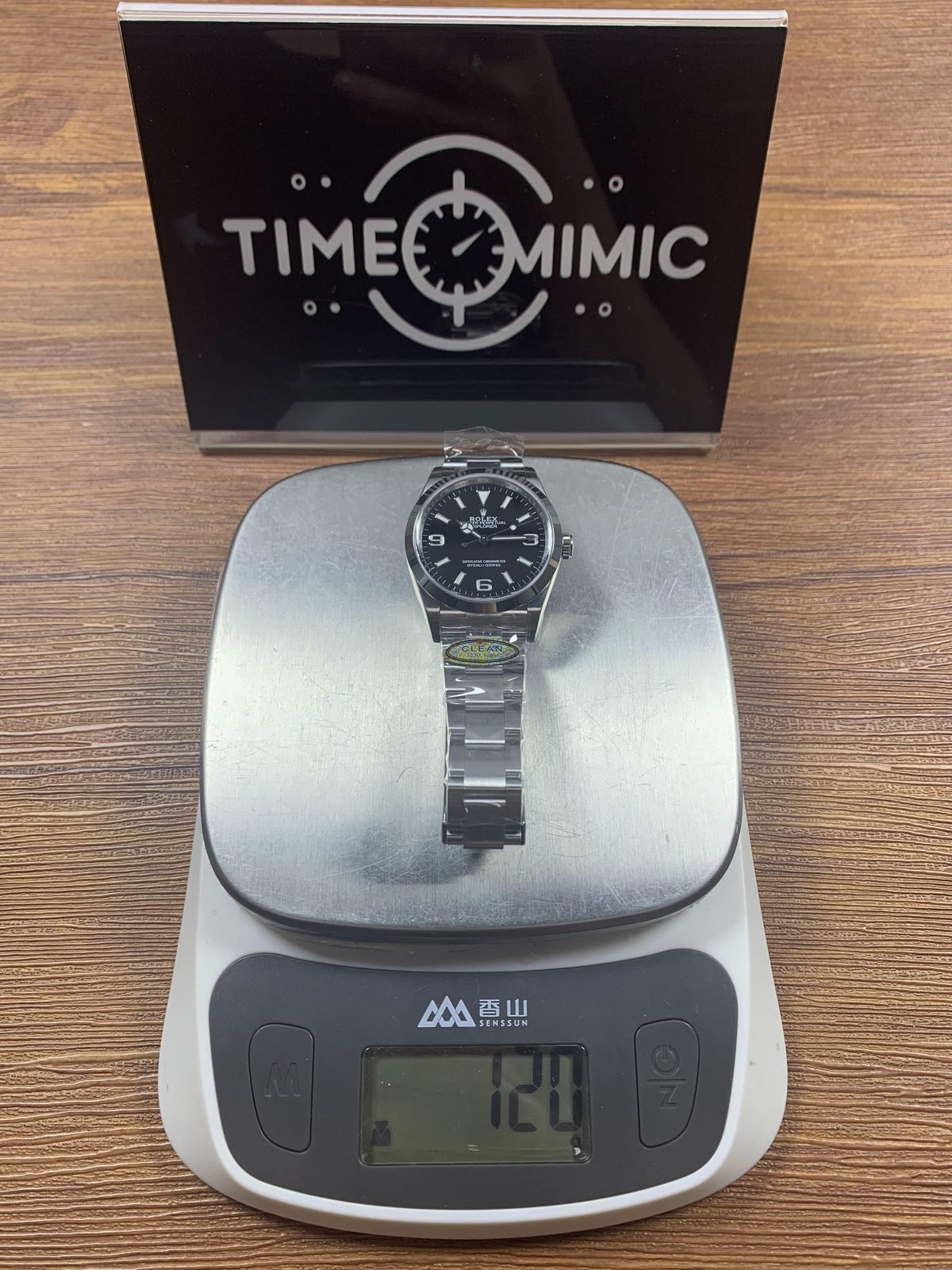
Measurements make a comparison more concrete. Case diameter, thickness, lug width, and bracelet taper affect how a watch wears, while total weight can expose a major mismatch in construction. A photograph of a calliper or scale is useful when the tool is positioned clearly and the result matches the seller's written specification. One reading still applies only to the sample shown.
Movement descriptions require similar care. Phrases such as cloned calibre or Swiss movement replica watches do not identify the actual mechanism. Ask for the movement family, a clear image when the caseback can be opened safely, timegrapher readings in more than one position, and a video showing winding, time setting, date change, and every advertised complication. The buyer also needs to know who can service the movement and whether parts are realistically available.
5. Value: lower cost with different trade-offs
Price is the main reason many people consider replica watches. The visual style of a famous design becomes accessible without the financial commitment attached to an authentic piece. Lower replacement cost may also make an owner more comfortable wearing the watch during ordinary travel or daily routines. For a first-time enthusiast, it can be a way to learn whether a case shape, size, or bracelet style suits the wrist.
The source's estimate of 5–10% of authentic retail should be read as a general illustration, not a dependable rule. Prices vary with the original model, replica grade, version, seller margin, and market conditions. Real value includes shipping, possible customs issues, early faults, servicing, replacement parts, and the seller's response when something goes wrong. A cheaper purchase can become poor value if there is no workable remedy.
Resale is another clear difference. Authentic watches have recognized provenance and some models may retain value, although appreciation is never guaranteed. Replicas generally have little legitimate resale value and must never be presented as genuine. They should be judged primarily as wearable products rather than investments.
6. How super clones compare with authentic luxury watches
A close exterior can reduce the visual gap, especially in photographs, but it does not erase the structural differences. Authentic watches are backed by the brand's documented specification, calibre development, warranty, service network, serial records, and market identity. Replicas normally use different movements, quality systems, warranties, and repair routes, even when their cases and dials look similar.
The fair comparison is therefore broader than appearance. Consider accuracy, power reserve, reliability of each function, comfort, finishing, repairability, seller support, and the legal or customs rules that apply where the watch is bought and delivered. These factors explain why a convincing photograph and a lower price do not create the same ownership experience.
7. Choosing the right watch and seller
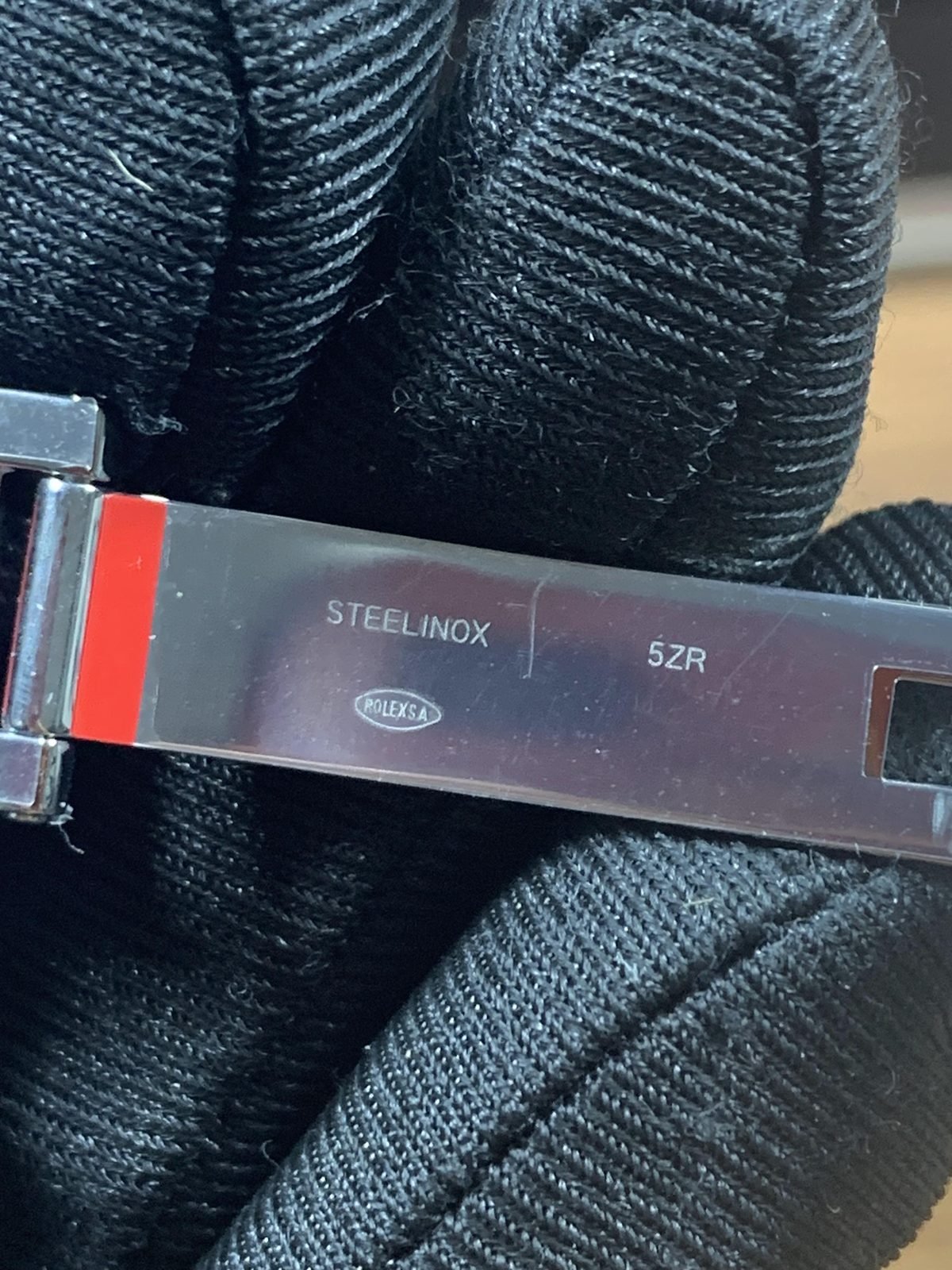
Quality varies widely, so the source article is right to place seller choice at the centre of the decision. Begin with the exact reference, colour, size, bracelet, and version. Request current sample-specific photographs instead of relying on catalogue images. A useful QC set includes a straight dial view, both case sides, the caseback, clasp, bracelet, dimensions, weight, timing data, and a short function video.
Check the return, repair, replacement, and shipping terms before paying. Look for recent independent transaction reports that describe how problems were handled, not only how the watch looked on arrival. Keep the seller's specifications and QC approval in writing. If the evidence is incomplete, treat the missing point as unknown instead of filling the gap with a factory reputation or promotional language.
Plan for ownership after delivery as well. Mechanical watches can need regulation, cleaning, lubrication, or replacement parts, and replica service options may be limited. A realistic budget should include those costs. On arrival, compare the watch with the approved QC set, test each control gently, and document any discrepancy before removing protective films or wearing it.
Conclusion: quality, craftsmanship and value in context
The appeal described in the original article remains straightforward. Better-selected materials can improve feel and wear, more precise manufacturing can produce closer details, and a lower price can make luxury-inspired design accessible to more enthusiasts. These are the reasons super clone watches continue to attract interest.
A sound decision depends on evidence for the actual watch. Confirm the written specification, study the current QC set, identify the movement, test the functions, understand the limits of water-resistance claims, and evaluate after-sales support. That approach preserves the article's central view of quality, craftsmanship, and value while giving buyers a realistic way to judge what they are purchasing.
Looking for a Top-Tier Clone or Custom Build?
Direct access to VS, ZF, 3KF, Clean & BTF factory stock. We provide detailed multi-angle QC photo & video approval prior to final payment.