How Super Clone Watches Stand Up to Daily Wear and Tear
Verified Reddit Watch Specialist (RepTime / RepGuild)
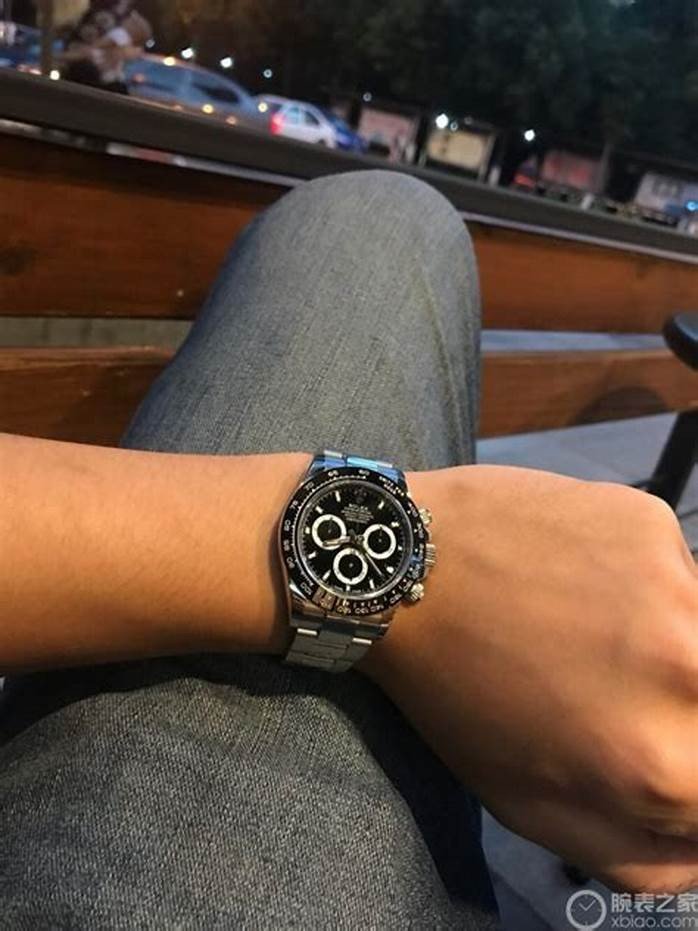
Super clone watches appeal to people who enjoy the look and feel of luxury timepieces at a lower price. A common question is whether these replicas can cope with work, commuting, social occasions, and the small knocks that come with ordinary use.
A well-made example can be practical for daily wear, but durability depends on the exact watch, not the label alone. Materials, case construction, movement condition, seals, bracelet fit, finishing, and maintenance all matter. This guide keeps the original article's positive view of everyday use while explaining the checks that make that conclusion more reliable.
At a Glance
| Daily exposure | What to inspect | Practical caution |
|---|---|---|
| Desk and commuting | Clasp, bracelet, crystal, polished surfaces | Expect fine surface marks over time |
| Water and moisture | Crown, caseback, seals, individual pressure test | Never rely on a printed rating alone |
| Movement use | Winding, setting, accuracy, power reserve | A movement label is not a test result |
| Active wear | Fit, shock exposure, bezel, pushers, lume | Avoid heavy impacts and extreme conditions |
1. Materials and finishing shape daily durability
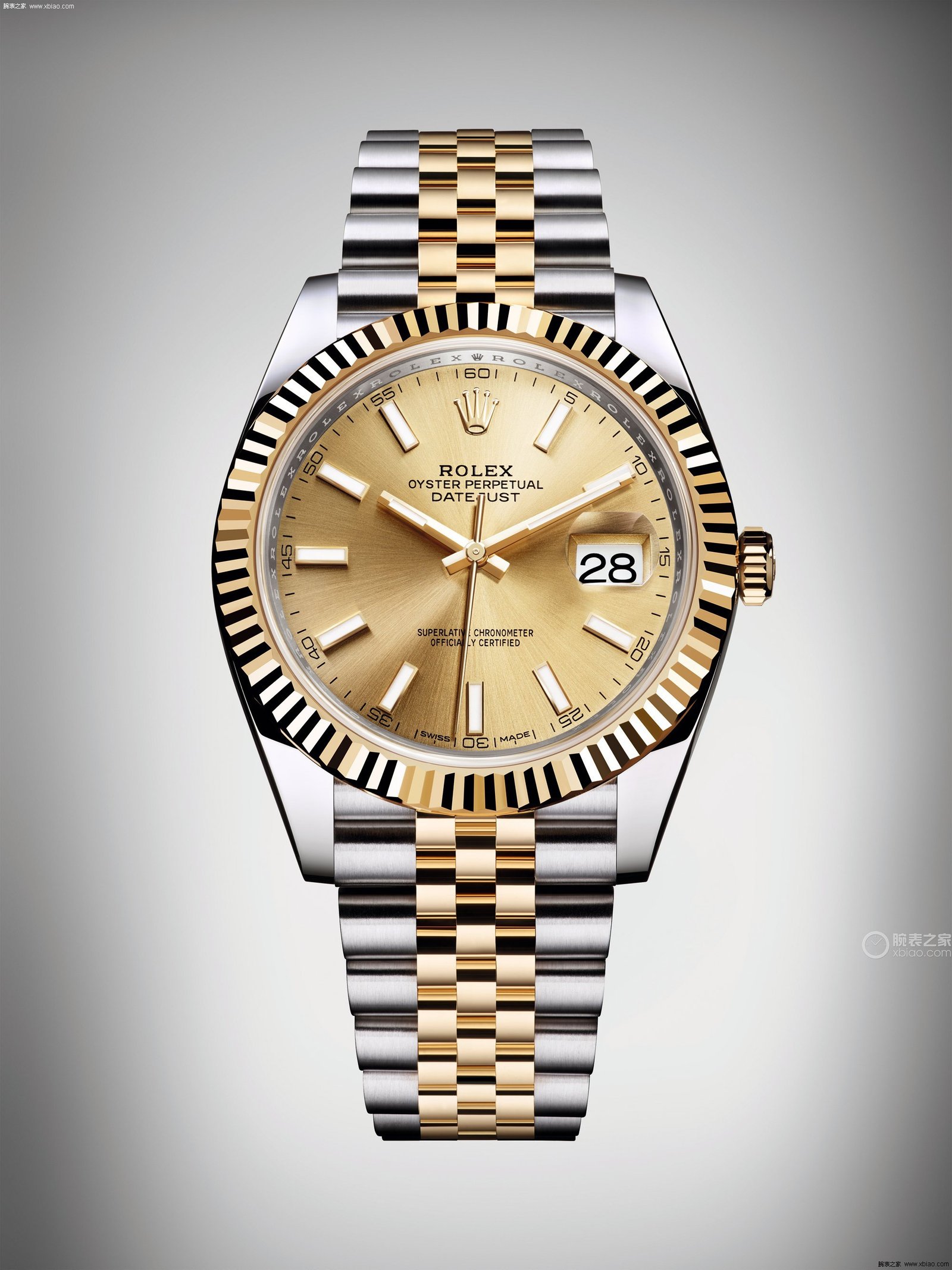
The original article highlights 316L stainless steel, sapphire crystal, and ceramic bezels as reasons some super clone watches can handle regular wear. Those materials are widely used in watchmaking because steel can resist corrosion, sapphire is hard to scratch, and ceramic can keep its colour and surface finish well.
The specification still needs to be confirmed for the individual model. A photograph cannot prove a steel grade, crystal composition, or ceramic formulation. Construction quality matters too: sharp bracelet edges, loose end links, an uneven crown tube, or poor finishing can reduce comfort and durability even when the advertised material sounds impressive.
Daily marks are normal. Brushed links tend to hide light scratches better than highly polished centre links, while plated or coated surfaces may show wear at edges and contact points. A high quality replica watch should be judged by the exact sample and by how its surfaces, joints, crown, and clasp are finished.
2. Water resistance must be tested, not assumed
The source article describes common ratings from 30 metres to more than 200 metres and notes that water resistance varies by model and construction. That basic point is important, but a printed depth rating or a waterproof replica watch keyword is not evidence that a specific watch is safe for swimming or diving.
Seals, crown engagement, crystal fit, caseback closure, age, and previous opening all affect resistance. If the watch will be exposed to water, ask for an individual dry or wet pressure test performed on that exact sample. A result applies to the watch at the time of testing and does not guarantee permanent protection.
Until there is reliable test evidence, keep the watch away from showers, pools, seawater, steam rooms, and prolonged submersion. Wipe off accidental splashes promptly, and never operate a crown or chronograph pusher while the watch is wet.
3. Movement accuracy under everyday use
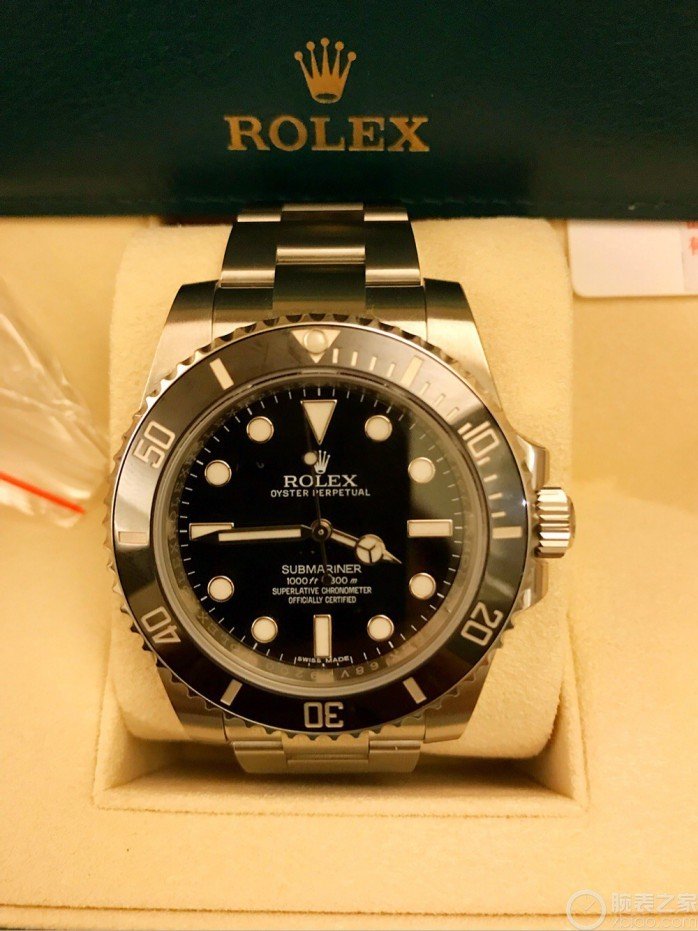
Movement quality is another reason buyers compare super clone watches with cheaper replica watches. Listings may describe Swiss, Japanese, Asian, clone, automatic, or quartz movements. The original article treats Swiss- and Japanese-labelled movements as reliable choices, but the label alone does not establish the exact calibre, condition, origin, or performance.
For an automatic replica watch, useful checks include winding and setting feel, date change, chronograph or other complications, daily rate, beat error, amplitude, and practical power reserve. A timegrapher reading is a snapshot in one position, so real wrist use over several days is also helpful.
Everyday accuracy can change with position, temperature, magnetism, shock, lubrication, and the wearer's activity. Small variation is normal for a mechanical watch. Sudden large changes, a short power reserve, a rough crown, or a function that does not reset correctly are reasons to stop and ask for inspection.
4. Active lifestyles, bumps, and low-light use
The original article argues that well-made replicas can suit both professional and active casual settings. That is reasonable for ordinary wear, but 'active' should not be confused with impact-proof. A watch may tolerate routine bumps and still be damaged by a fall, racket sport, power tool, heavy lifting contact, or a direct strike to the crown or crystal.
A secure fit reduces movement on the wrist and helps protect the watch from catching on hard surfaces. Check the clasp, screws or pins, end links, crown, bezel, and pushers before regular use. If the model has luminous markers, compare brightness and evenness after charging them with light; lume is a visibility feature, not proof of overall quality.
5. What daily wear usually changes first
Fine scratches often appear first on the clasp, polished bracelet links, case sides, and bezel edges. Leather straps absorb sweat and bend at the buckle; rubber straps collect dust and skin oils; metal bracelets can loosen slightly as joints wear. None of this automatically means the watch is defective.
More concerning signs include a loose crown, moisture under the crystal, a rattling rotor that becomes unusually loud, hands touching, a date that stops changing, a chronograph that fails to reset, missing screws, or a clasp that opens unexpectedly. These problems call for inspection rather than continued wear.
The clasp deserves a weekly look because it touches desks, door frames, and other hard surfaces throughout the day. Light hairline marks are cosmetic. A bent blade, weak safety catch, loose adjustment screw, or opening that no longer closes positively can affect security and should be repaired before the watch is worn again.
6. Maintenance that supports longevity
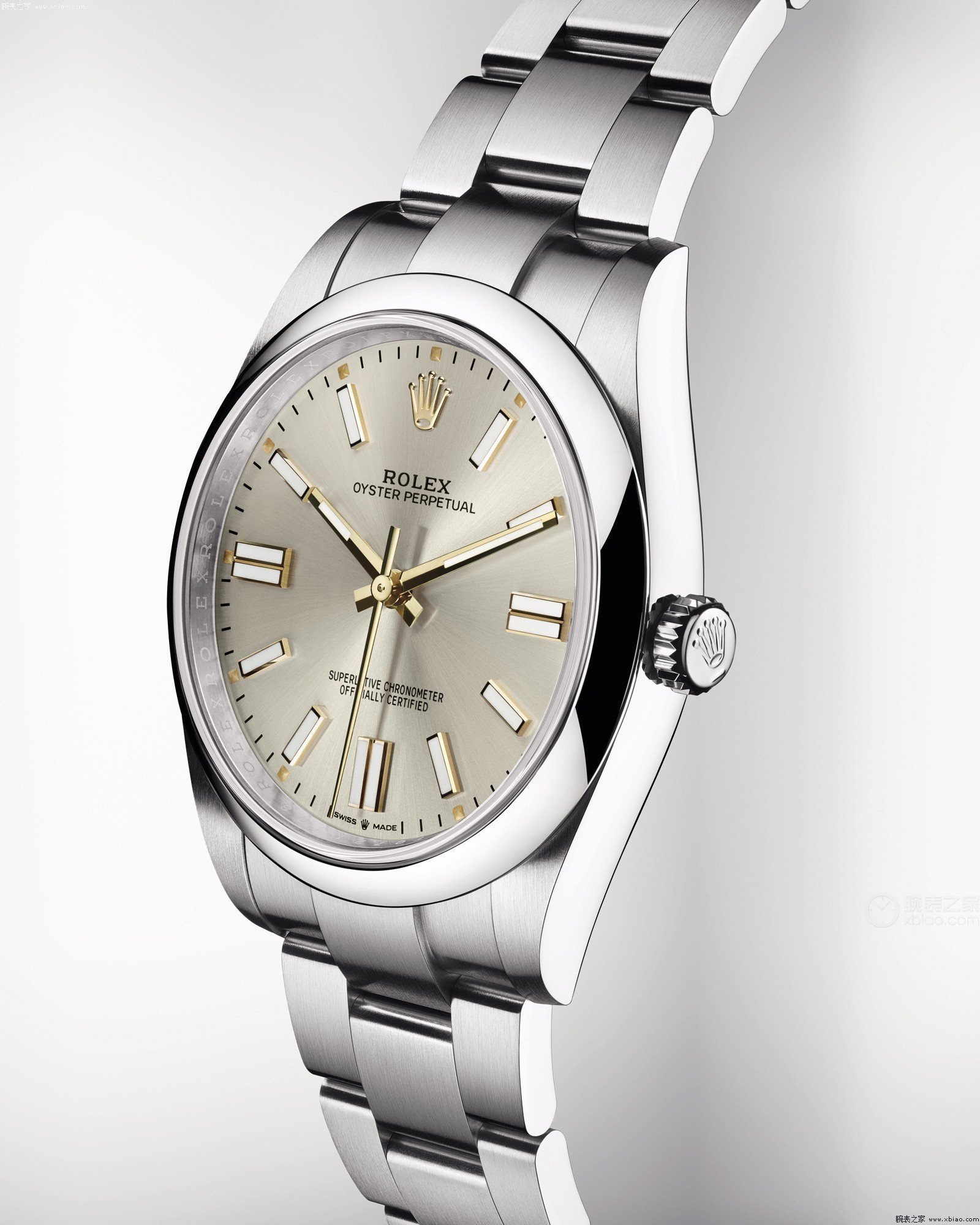
Simple care helps preserve appearance and function. Wipe the case, crystal, and bracelet with a clean microfibre cloth after wear. If water resistance has been professionally confirmed, a metal bracelet can be cleaned according to the seller's or watchmaker's guidance; otherwise, avoid rinsing the assembled watch or using soapy water around openings.
Keep the watch away from strong magnets, harsh chemicals, solvents, extreme heat, and sudden temperature changes. Store it dry, do not force the crown or pushers, and follow the correct setting procedure for the movement.
Bracelet and strap care should match the material. Use a dry soft brush around metal links when rinsing is not appropriate. Let leather dry naturally after perspiration and keep it away from cleaners. Wipe rubber with a damp cloth, then dry it fully before storage.
The original guide suggests servicing the movement every few years. A fixed interval is not universal: the right timing depends on the movement, lubricant condition, water-resistance needs, use, and access to parts. Have the watch inspected sooner if accuracy changes sharply, the crown feels rough, power reserve drops, or moisture appears.
7. Use QC as a baseline before daily wear
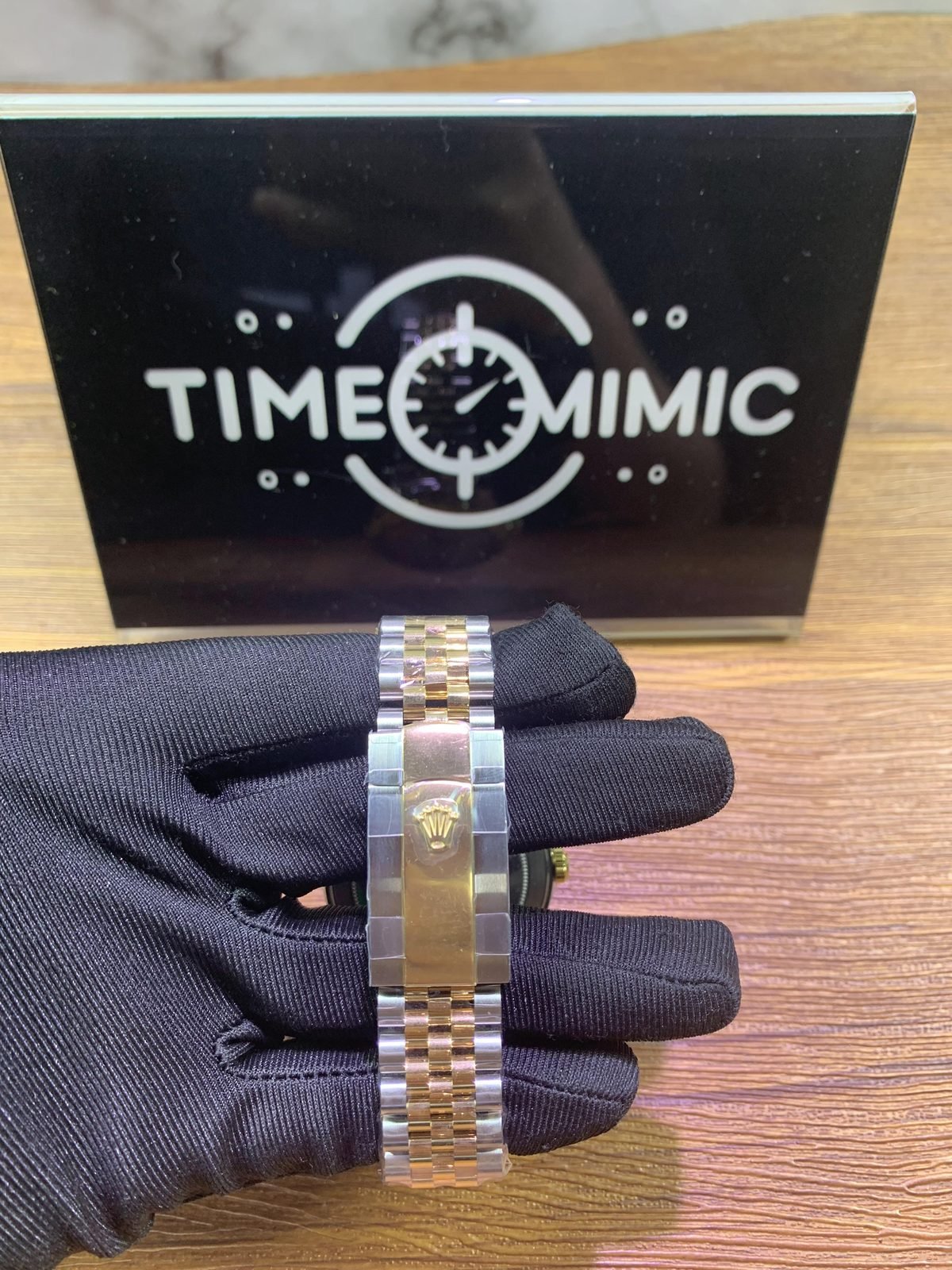
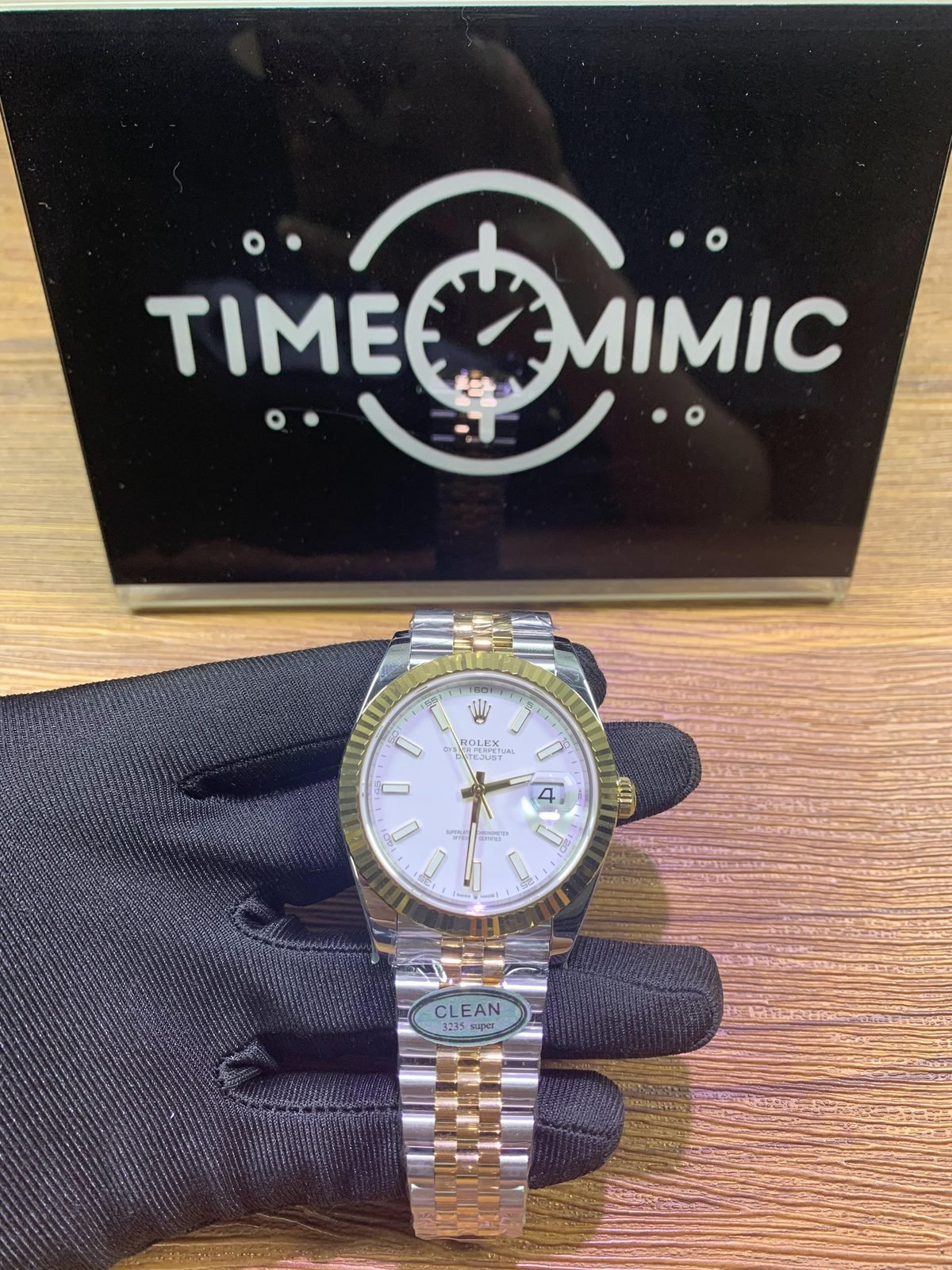
Clear pre-shipment photographs create a useful condition record. Check the dial, hands, markers, bezel, crystal, crown, case sides, clasp, bracelet, and rear of the watch. Ask for functional evidence where relevant, such as a short timekeeping reading, date change, bezel movement, or chronograph reset.
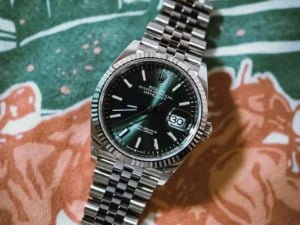
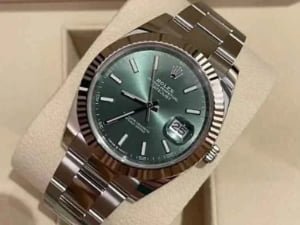
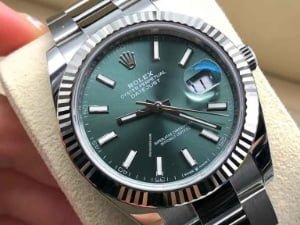
The QC image below documents one Datejust-style sample from the front. It can help establish visible alignment and exterior condition before delivery, but it does not verify the material, movement, pressure resistance, shock resistance, factory source, or long-term durability.
Why super clone watches can work for daily wear
The original article's main conclusion remains: super clone watches can be a stylish, affordable, and versatile option for everyday use. Sporty, dress, and casual designs make it possible to choose a watch that fits work, weekends, and social settings without the same financial concern as wearing an expensive original.
The practical value comes from selecting the right individual watch, confirming the claims that matter, and caring for it sensibly. A replica should still be described honestly, and normal daily durability should not be presented as proof that it can survive diving, extreme sport, or years of use without maintenance.
Final thoughts
Super clone watches can stand up well to ordinary wear when their materials, construction, movement, and QC are sound. The best examples can handle office use, commuting, evenings out, and light casual activity while retaining the luxury-inspired appearance buyers want.
Long-term results still depend on realistic expectations. Confirm water resistance before exposure, avoid severe impacts and harsh conditions, monitor the movement, clean the watch carefully, and arrange service when its behaviour changes. Those habits give a daily-wear replica watch the best chance of remaining useful and presentable.
Looking for a Top-Tier Clone or Custom Build?
Direct access to VS, ZF, 3KF, Clean & BTF factory stock. We provide detailed multi-angle QC photo & video approval prior to final payment.