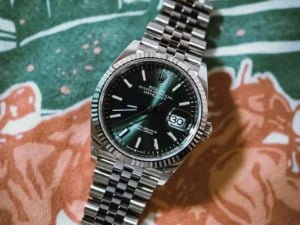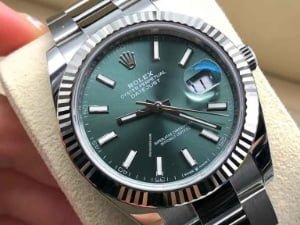
Super Clone Watches for Beginners: Choosing the Perfect Replica
Verified Reddit Watch Specialist (RepTime / RepGuild)
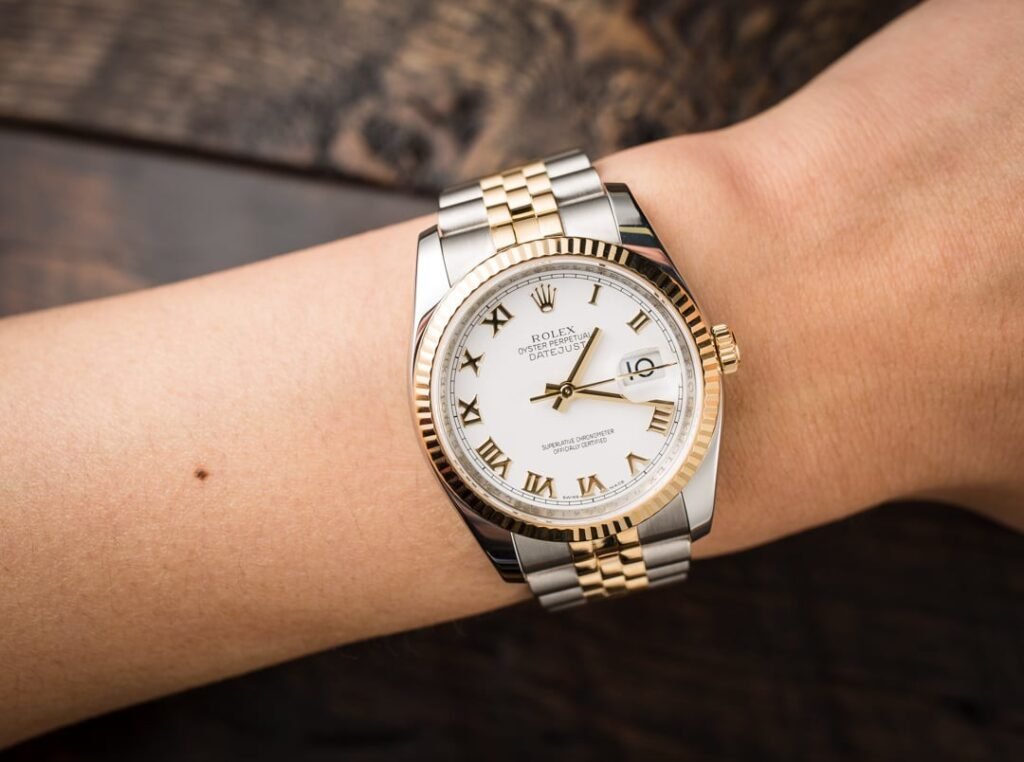
For someone new to luxury-style watches, the term super clone watches can be confusing. It generally refers to higher-grade replica watches that try to reproduce the appearance, proportions, functions, and wearing feel of well-known luxury models more closely than basic copies. Their appeal is simple: they offer a route into familiar watch designs without the price of the authentic model.
Choosing the right one still takes more than picking a familiar logo. A beginner should set a realistic budget, decide which design fits daily life, examine the exact sample, understand the movement and functions, and check the seller's policies. This guide keeps that original buying process intact while adding practical checks that make the decision easier.

At a Glance
| Budget level | Original guide range | What to prioritise |
|---|---|---|
| Entry level | $200-$500 | Basic appearance, working functions, visible QC |
| Mid-range | $500-$1,500 | Better finishing, movement details, seller support |
| High-end | $1,500+ | Model fidelity, movement execution, stronger after-sales terms |
1. Understand what a super clone watch is
Super clone watches are positioned as high-end replicas designed to resemble genuine luxury watches in both appearance and operation. Compared with inexpensive copies, a high quality replica watch may place more emphasis on case shape, dial layout, bracelet construction, engravings, movement presentation, and functional details.
Common sales descriptions mention stainless-steel cases, sapphire crystal, leather or rubber straps, and Swiss- or Japanese-labelled movements. These labels are useful starting points, but they are not proof. Quality can vary between models, versions, and individual samples, so the exact watch and its QC evidence matter more than the grade name used in an advertisement.
2. Set a realistic budget before comparing models
The original guide separates the market into three rough bands: $200-$500 for entry-level examples, $500-$1,500 for mid-range models, and more than $1,500 for high-end versions. Those figures are useful as planning ranges, not fixed market prices. Current cost depends on the model, movement, finishing, seller, shipping, and included support.
At the lower end, focus on a clean dial, working basic functions, a comfortable bracelet or strap, and clear pre-shipment photographs. In the middle range, look more closely at finishing, movement specification, component fit, and return terms. At the high end, the extra money should correspond to identifiable improvements rather than vague claims such as 'best factory' or 'perfect 1:1.'
Set a total budget that includes shipping, possible servicing, and a strap or bracelet adjustment. This prevents a watch that looks affordable on the product page from becoming an uncomfortable purchase later.
3. Research brands and models that suit your taste
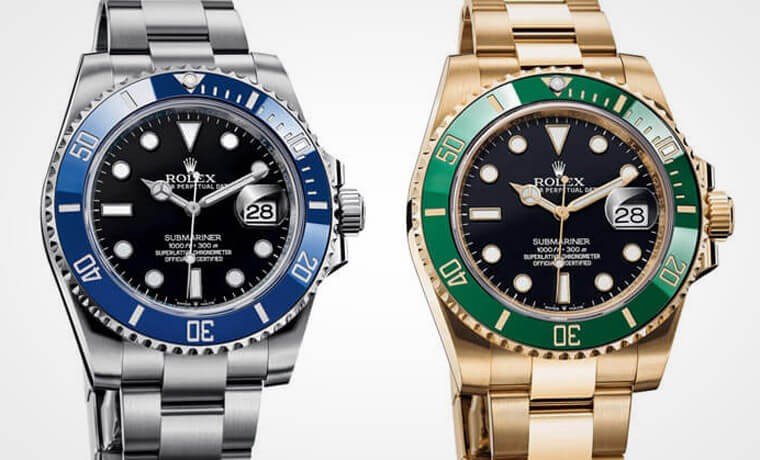
Beginners often start with recognizable designs. The original article highlights Rolex models such as the Submariner and Daytona, Omega's Seamaster and Speedmaster, the Patek Philippe Nautilus and Aquanaut families, and the Audemars Piguet Royal Oak. A Rolex super clone may be the most familiar search, but popularity does not automatically make it the best choice for every wrist or routine.
Think first about how the watch will be worn. A dive-style model offers a sporty case, timing bezel, and strong legibility. A chronograph has a busier dial and more functions to test. A dress-oriented luxury replica watch may be thinner and quieter, while an integrated-bracelet design can feel larger because the bracelet extends across the wrist.
Create a short list of two or three models, then compare case diameter, thickness, lug-to-lug length, dial colour, bracelet type, and the functions you will actually use. This keeps the search focused and makes QC comparison more meaningful.
4. Choose a size that works on your wrist
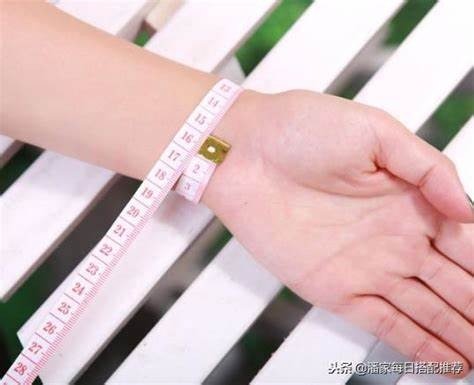
A watch can look perfect in a product photograph and still feel awkward on the wrist. Diameter is only one measurement. Lug-to-lug length, case thickness, bracelet end links, clasp length, and overall weight all affect comfort.
Measure the wrist where the watch will sit, then compare that number with the seller's stated dimensions. If possible, try on a watch with similar measurements locally. A balanced fit usually matters more in daily use than choosing the largest or most famous model.
Ask for a side view as well as a diameter figure. Case height, bezel profile, crown guards, and fixed end links can make two watches with similar listed diameters wear very differently. The clasp also needs enough adjustment range to centre under the wrist without pulling the watch head to one side.
5. Evaluate quality and craftsmanship
The original article recommends checking materials, movement, weight, finish, and small details. Start with claims that can be confirmed. Ask for the stated case and bracelet material, crystal type, movement family, dimensions, and weight. Terms such as 316L stainless steel or sapphire crystal should come from a specification or test, not from appearance alone.
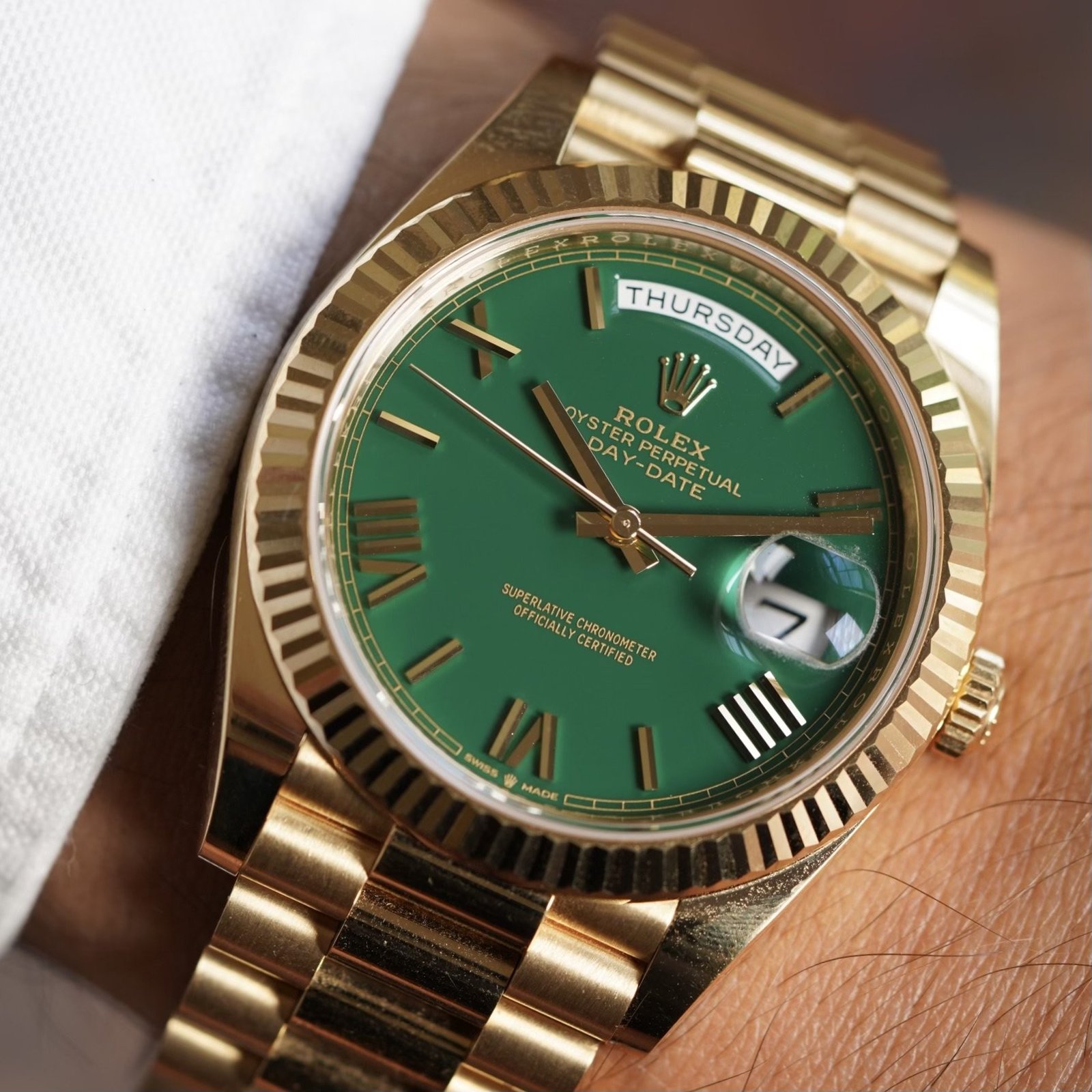
Then inspect visible workmanship. Look for straight hour markers, even dial printing, centred date or day displays, hands that clear each other, consistent brushing and polishing, a bezel that aligns at its reference point, and links that articulate cleanly. A substantial feel may be desirable, but weight by itself cannot prove material quality.
6. Check the movement and every advertised function
Movement descriptions deserve careful reading. A listing may refer to a Swiss, Japanese, Asian, clone, automatic, quartz, or chronograph movement. Ask for the exact movement family where possible and confirm how the crown winds and sets the watch, whether the date changes correctly, and whether every pusher or bezel performs the function being sold.
For an automatic replica watch, useful evidence includes a short timekeeping reading, a power-reserve expectation, and a video showing winding, setting, and complications. A movement label alone does not establish accuracy, reliability, serviceability, or country of manufacture.
7. Review the exact watch through QC
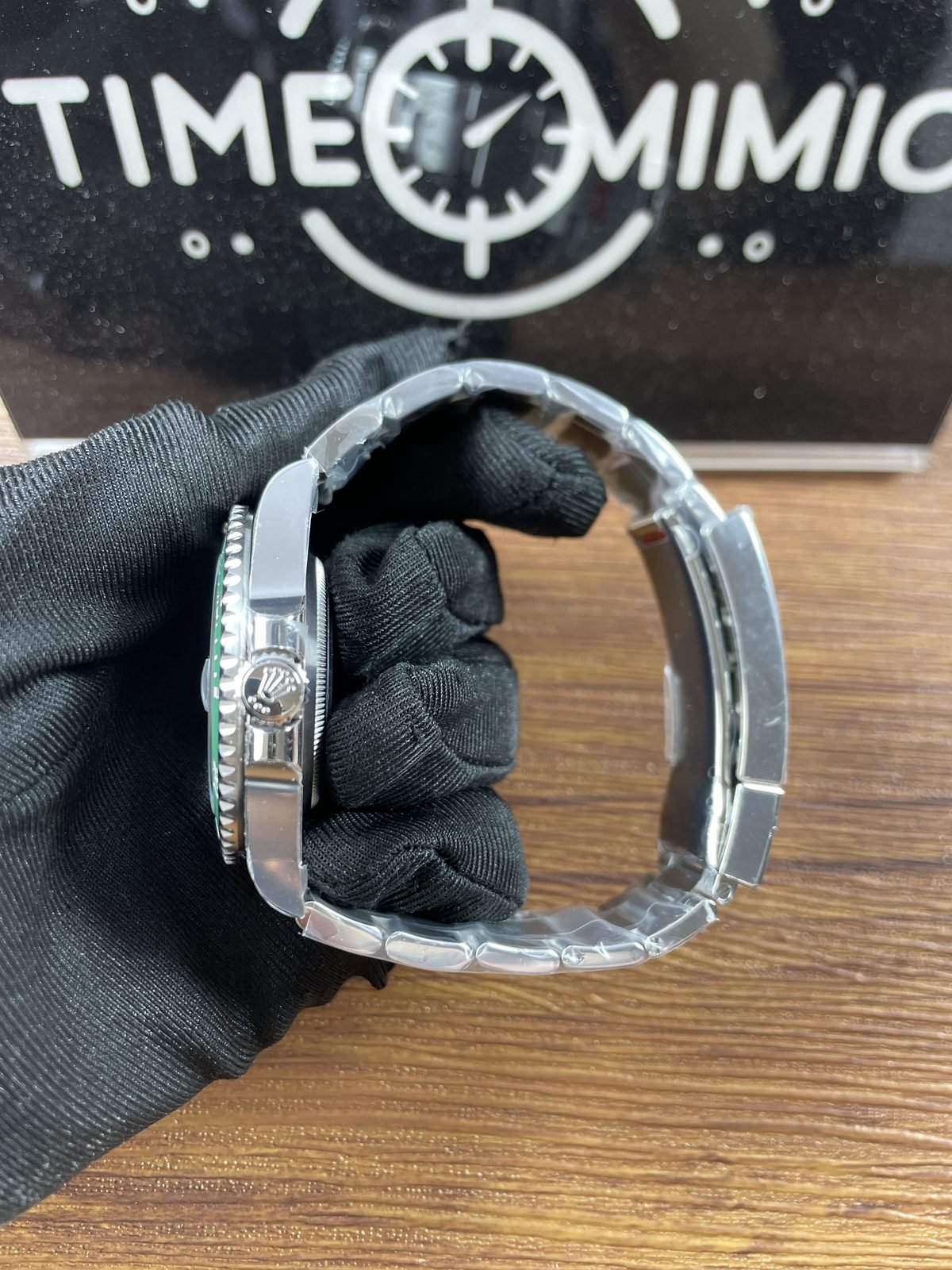
Stock photographs help identify a design, but they cannot show the condition of the individual watch that will be delivered. Ask for clear front, side, rear, crown, clasp, and bracelet views of the exact sample. If timing or pressure testing is offered, request the result for that same watch and remember that a test records one point in time.
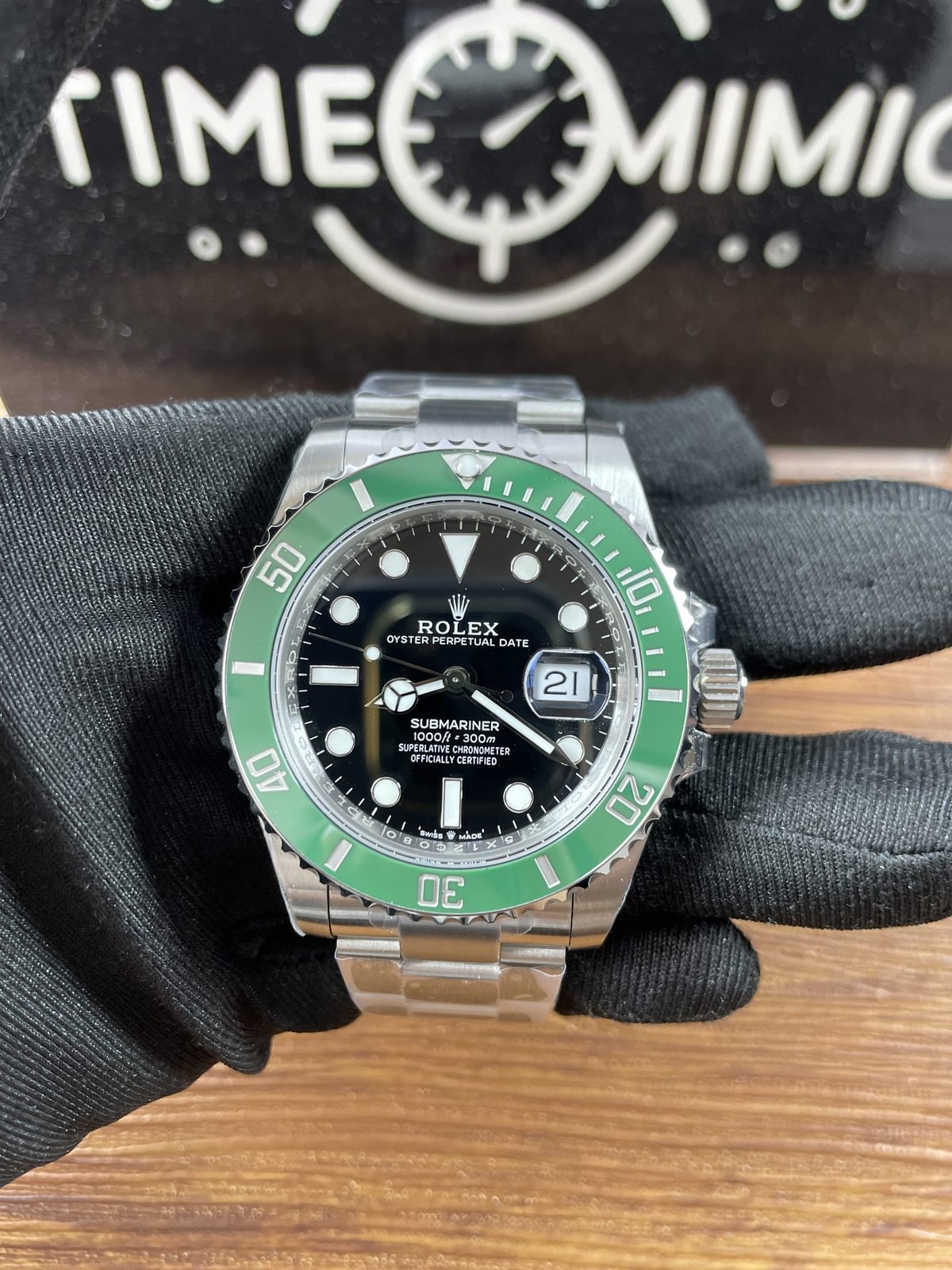
The QC image below is a visible example from one Submariner-style sample. It can be used to review alignment and exterior condition, but it cannot prove materials, movement, water resistance, factory origin, long-term durability, or authenticity.
8. Find a reputable seller
A reliable seller should make the buying process understandable before payment. Check independent discussion, recent customer feedback, communication quality, QC procedure, shipping terms, and what happens if the delivered watch is materially different from the approved sample. Reviews are most useful when they describe a specific order rather than repeating generic praise.
Read the return or exchange policy carefully. Note the time window, eligible reasons, required evidence, return-shipping responsibility, and any exclusions. A written policy is more useful than a promise made only in a chat.
9. Consider after-sales service and parts
The original article correctly treats after-sales service as part of the purchase. Ask whether the seller handles repairs, how warranty claims are assessed, who pays shipping, and whether replacement crystals, crowns, bracelet links, clasps, or movement parts are available.
Also check whether a local watchmaker is willing to service the movement. A complicated model may look impressive, but a simpler movement with accessible parts can be easier for a beginner to own.
Beginner checklist before paying
Confirm the exact model, dimensions, movement description, included accessories, total delivered price, QC process, return window, and warranty terms in writing. Save the listing and order details. Review the exact watch for alignment, exterior marks, date or day position, bezel position, bracelet condition, and every advertised function before giving final approval.
Finally, keep expectations realistic. Super clone watches are replicas, not authentic luxury watches, and they should be represented honestly. The aim is to choose a version that fits your budget, wrist, style, and maintenance expectations.
Final thoughts
Super clone watches can give beginners an accessible way to explore luxury-watch design, but the best choice comes from a disciplined comparison rather than a dramatic sales claim. Set the budget first, research a few models, examine construction and movement details, assess the exact sample, and choose a seller with clear policies and support.
With those steps, you can choose a replica watch that matches the original guide's goal: a watch that suits your needs and preferences and can be enjoyed with realistic expectations and proper care.
Looking for a Top-Tier Clone or Custom Build?
Direct access to VS, ZF, 3KF, Clean & BTF factory stock. We provide detailed multi-angle QC photo & video approval prior to final payment.