How to Care for Your Super Clone Watches
Verified Reddit Watch Specialist (RepTime / RepGuild)
A well-kept watch looks better, operates more reliably, and is easier to evaluate when something changes. Super clone watches benefit from regular cleaning, sensible water precautions, careful storage, protection from chemicals, periodic maintenance, and gentle handling. Those practical habits form the backbone of this guide.
Care should match the exact watch. A seller's tier label does not confirm the case material, crystal, strap, plating, seals, movement, or water resistance. Begin with the written specifications and any sample-specific test records. When a material or rating is uncertain, use the least aggressive method and keep moisture away from openings.
At a Glance
| Care area | Safe starting point | Stop and inspect when |
|---|---|---|
| Routine cleaning | Dry microfiber cloth and a soft brush for accessible gaps | Moisture enters the case or a finish begins to lift |
| Water exposure | Keep dry unless the exact sample has a current pressure test | Crystal fogs, crown feels rough, or seals may be damaged |
| Storage | Dry pouch or box, away from heat, sunlight, magnets, and other jewellery | Condensation, corrosion, odour, or strap cracking appears |
| Movement or battery | Track performance and use a qualified repairer | Timekeeping changes suddenly, functions stick, or a battery weakens |
Start by identifying the watch you actually have
Before cleaning, note the stated case, crystal, bezel, bracelet or strap, plating, movement type, crown design, and water-resistance claim. Save the listing and QC records. They provide a baseline if the colour, finish, fit, timekeeping, or functions change later.
Do not assume that every high quality replica watch uses stainless steel, sapphire crystal, ceramic, solid precious metal, or the same movement. A plated surface needs different treatment from solid steel. Leather, rubber, fabric, and metal straps also react differently to moisture and cleaning products.
Check that the crown is fully closed before ordinary wear. Inspect the crystal edge, caseback, pushers, spring bars, bracelet screws, clasp, and strap for looseness or damage. If anything is already lifting, cracked, or poorly seated, cleaning can wait until the part has been examined.
1. Regular cleaning without unnecessary risk
The safest cleaning routine begins dry. Wipe the crystal, case, caseback, bracelet, and clasp with a clean microfiber cloth after wear. This removes fingerprints, skin oils, light dust, and some salt before they collect in edges and links.
Use a separate soft brush for dry debris around the bezel, crown guards, bracelet links, and clasp. Work gently so grit is lifted instead of dragged across polished surfaces. Avoid metal picks, abrasive pads, toothpaste, polishing compounds, and household sprays. They can scratch coatings, change brushed grain, or remove plated colour.
A barely damp cloth with a small amount of mild soap may be appropriate when the material and water resistance are known. Keep the crown closed, avoid the pusher and case openings, and follow with a clean damp cloth and thorough drying. If the watch lacks a current pressure test or has an uncertain seal condition, stay with dry cleaning.
Clean each strap and bracelet according to its material
Metal bracelets collect residue between links and inside the clasp. Wipe each surface and use a soft brush in the gaps. Pay attention to screw heads and spring-bar areas without forcing them. If a screw begins to back out or a link feels unusually loose, stop wearing the watch until the fastener is secured.
Rubber straps can usually be wiped with a damp cloth and then dried, but the seller's material guidance takes priority. Check the underside, holes, buckle, and spring-bar ends for cracking or stretching. Leather should be kept much drier: remove surface dust with a soft cloth, let perspiration dry naturally, and avoid soaking, direct heat, or unapproved conditioners.
Fabric straps should be removed for cleaning only when the attachment system is understood and the case can be kept safe. Whatever the material, allow the strap and caseback to dry before storage. Trapped moisture and skin residue accelerate odour, corrosion, colour transfer, and premature wear.

2. Avoid water damage unless resistance is verified
The water-resistance text printed on a dial is not a test result. Resistance depends on the case, crystal, crown, pushers, caseback, gaskets, assembly, and current condition. A screw-down crown may reduce risk, but it does not prove the stated depth.
Remove the watch before swimming, showering, sauna use, dishwashing, or water sports unless the exact sample has a current pressure test that supports the activity. Soap, heat, rapid temperature change, and moving water can create different stresses from a brief splash. Never operate a crown or chronograph pusher while the watch is wet.
If moisture appears under the crystal, stop wearing the watch and do not try to solve the problem with a hair dryer or direct sun. Dry the exterior, place the watch in a safe dry location, and arrange prompt inspection. Internal moisture can affect the dial, hands, movement, and lubricants before exterior damage is obvious.
3. Store the watch to prevent scratches, heat, and magnetism
A watch box or soft pouch protects replica watches from dust and contact with jewellery. Store each watch separately so polished cases, bezels, crystals, and bracelets cannot rub together. Close the clasp without forcing it, and avoid resting a metal bracelet directly against the caseback.
Choose a dry place with a stable room temperature. Direct sunlight can fade straps and dials, while high heat can age adhesives, oils, gaskets, and rubber. Damp drawers, bathrooms, and sealed containers holding a wet watch create a poor storage environment.
Keep mechanical watches away from strong magnets in speakers, bag clasps, charging accessories, and some electronic equipment. Magnetism can change timekeeping. A sudden rate change needs diagnosis rather than repeated setting or aggressive demagnetizing without confirmation.
4. Keep perfumes, lotions, and cleaners away from the finish
Apply perfume, sunscreen, lotion, hair products, and cleaning chemicals before putting on the watch, then let them dry. Repeated exposure can stain straps, cloud some plastics, soften adhesives, and change plated or coated finishes. Salt from perspiration should also be wiped away after wear.
Two-tone, gold-colour, black-coated, and highly polished watches deserve particular care because wear is easier to see. A cloth should be clean and free of grit. Home polishing can round edges, erase brushing, thin plating, and create an uneven sheen. Cosmetic refinishing is better treated as a specialist decision.
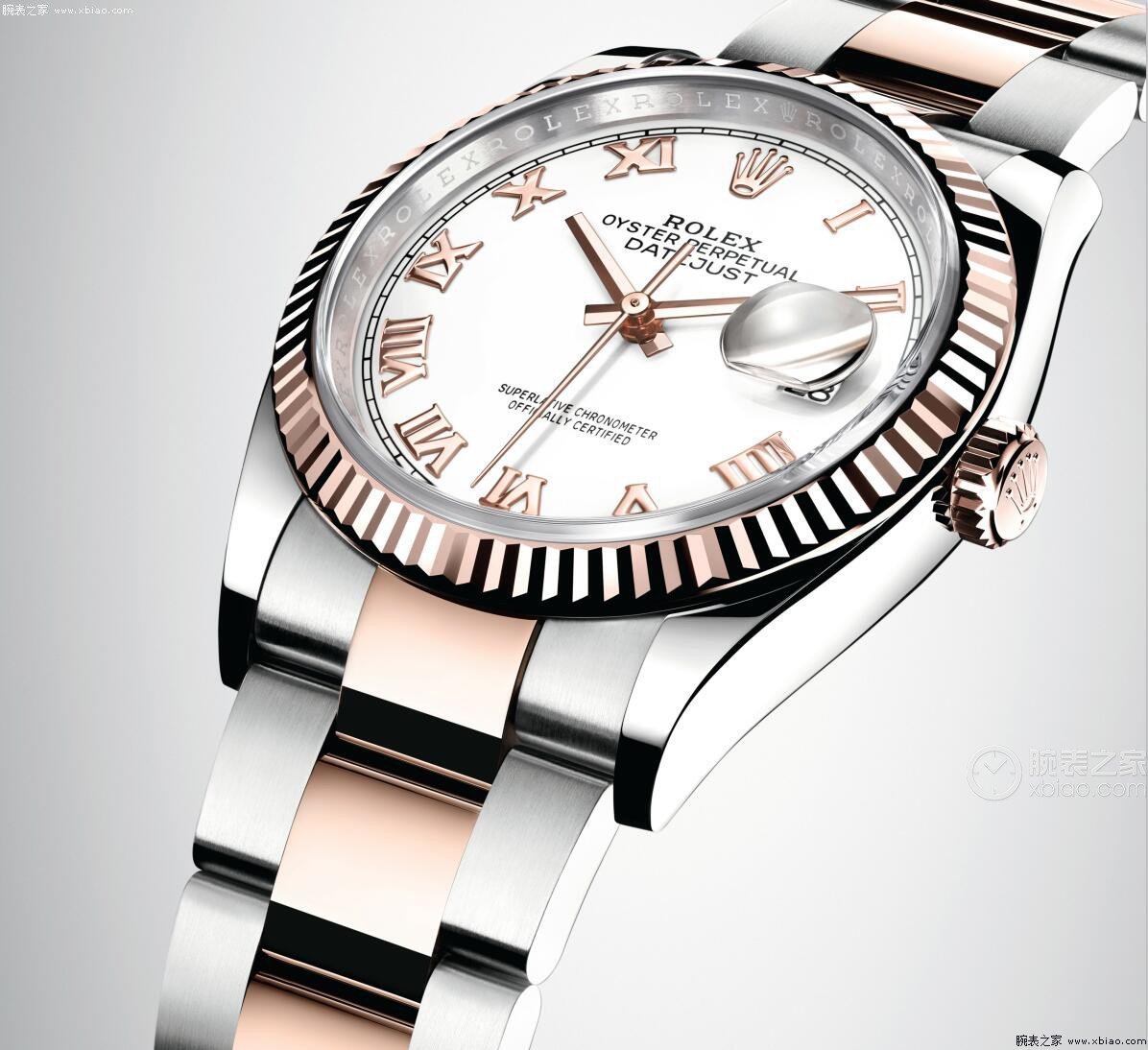
5. Handle crowns, pushers, bracelets, and clasps gently
Avoid drops and heavy impacts. Take the watch off for contact sports, impact tools, and tasks likely to strike the case or crystal. A watch can continue running after a shock while the hands, dial components, rotor, jewel settings, spring bars, or seals have been disturbed.
Set the time and date according to the movement's instructions. Do not force a crown that feels rough or a date mechanism that resists. Chronograph pushers should start, stop, and reset cleanly; repeated force will not repair a sticky function. Keep the crown closed once adjustment is complete.
A properly fitted bracelet reduces sliding and repeated impacts against the wrist. It should remain comfortable as the wrist changes size through the day. Check that the clasp locks securely and that removable links, screws, pins, and spring bars are seated. A loose attachment can turn a small maintenance issue into a dropped watch.
Use QC photos as a condition baseline
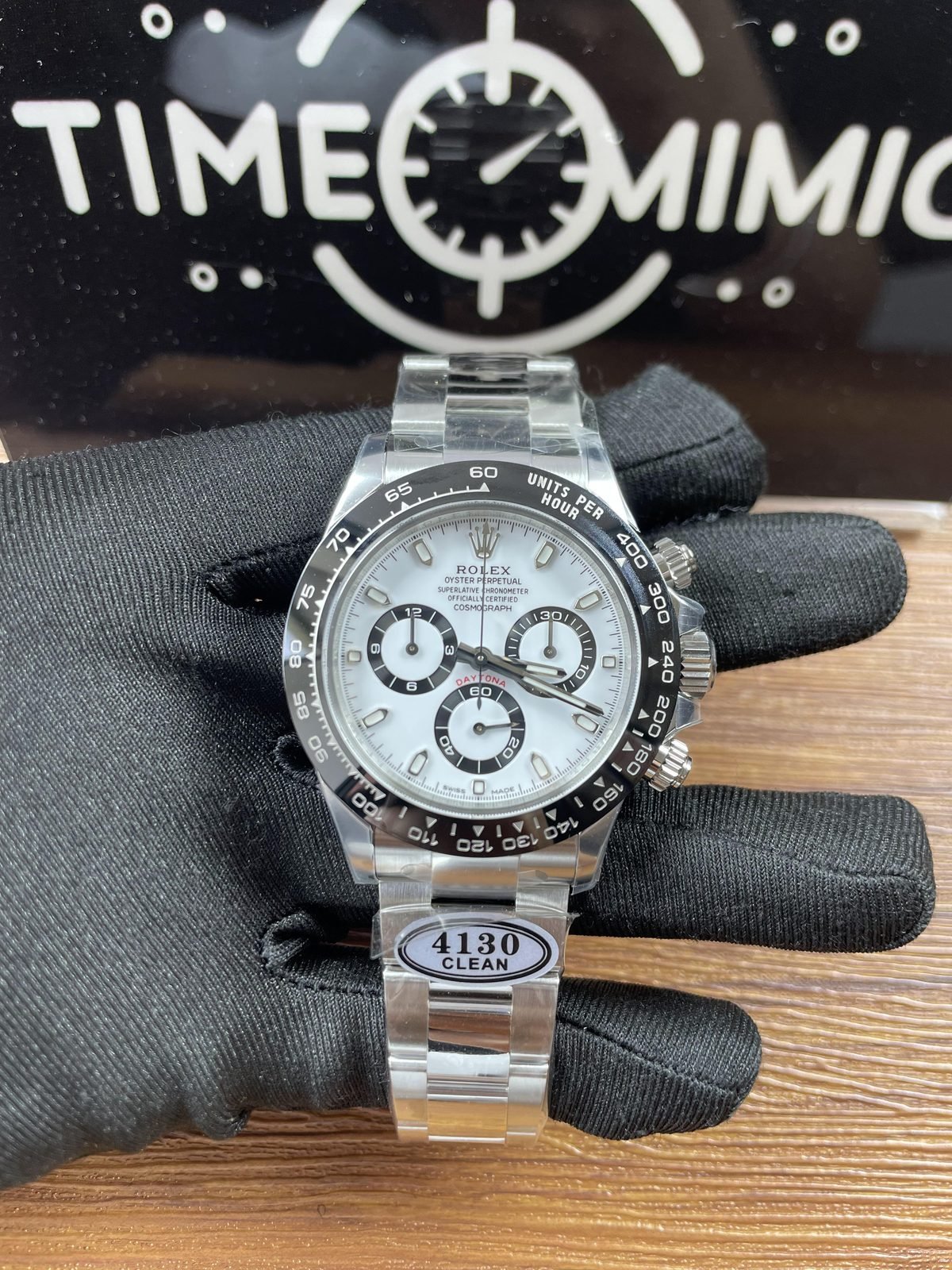
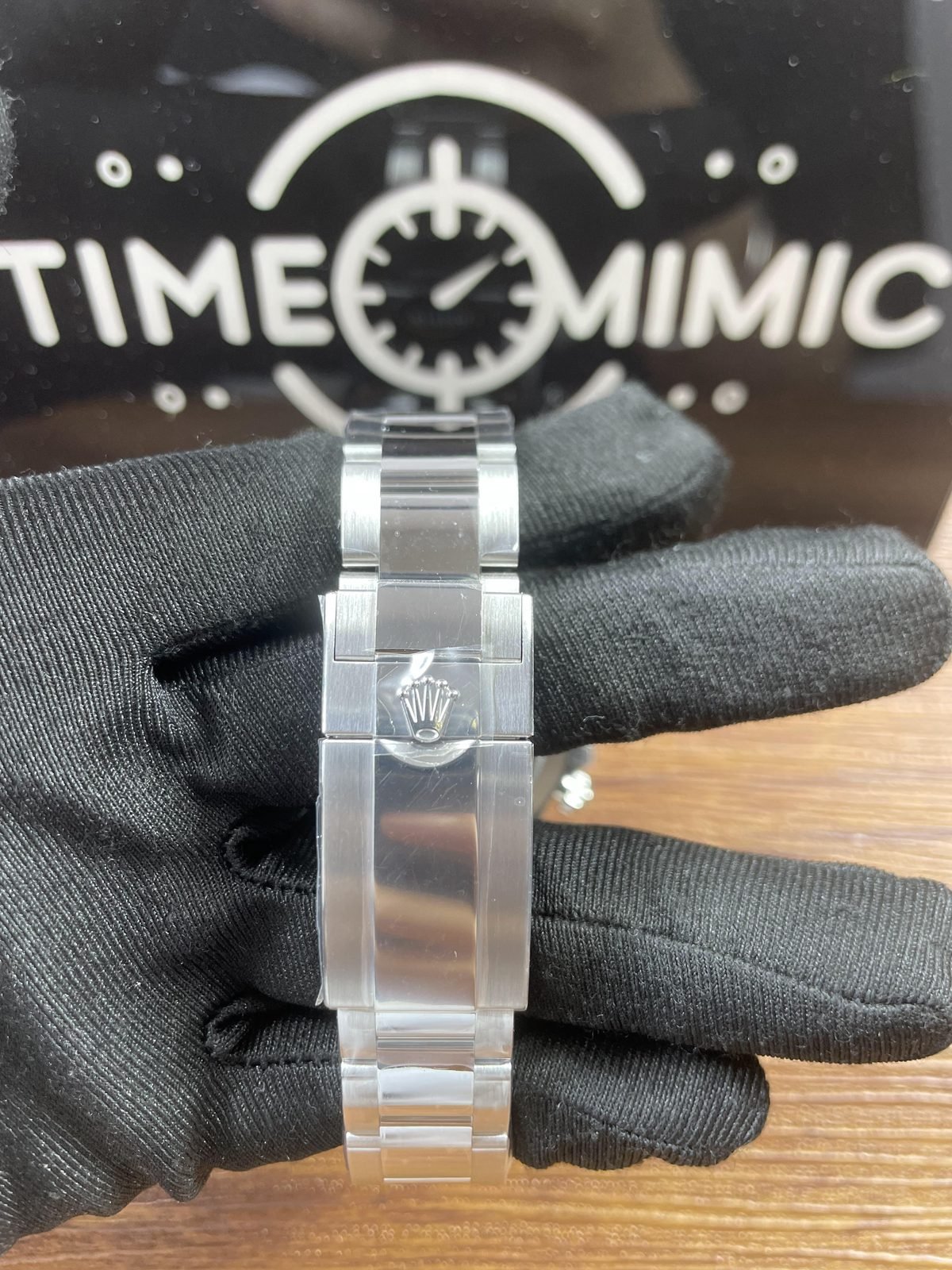
Exact-sample QC is useful after delivery as well as before it. Save clear front, side, back, bracelet, clasp, crown, and pusher photographs. Compare them when a gap, scratch, finish change, or alignment concern appears. The goal is to identify change, not to treat photographs as proof of hidden specifications.
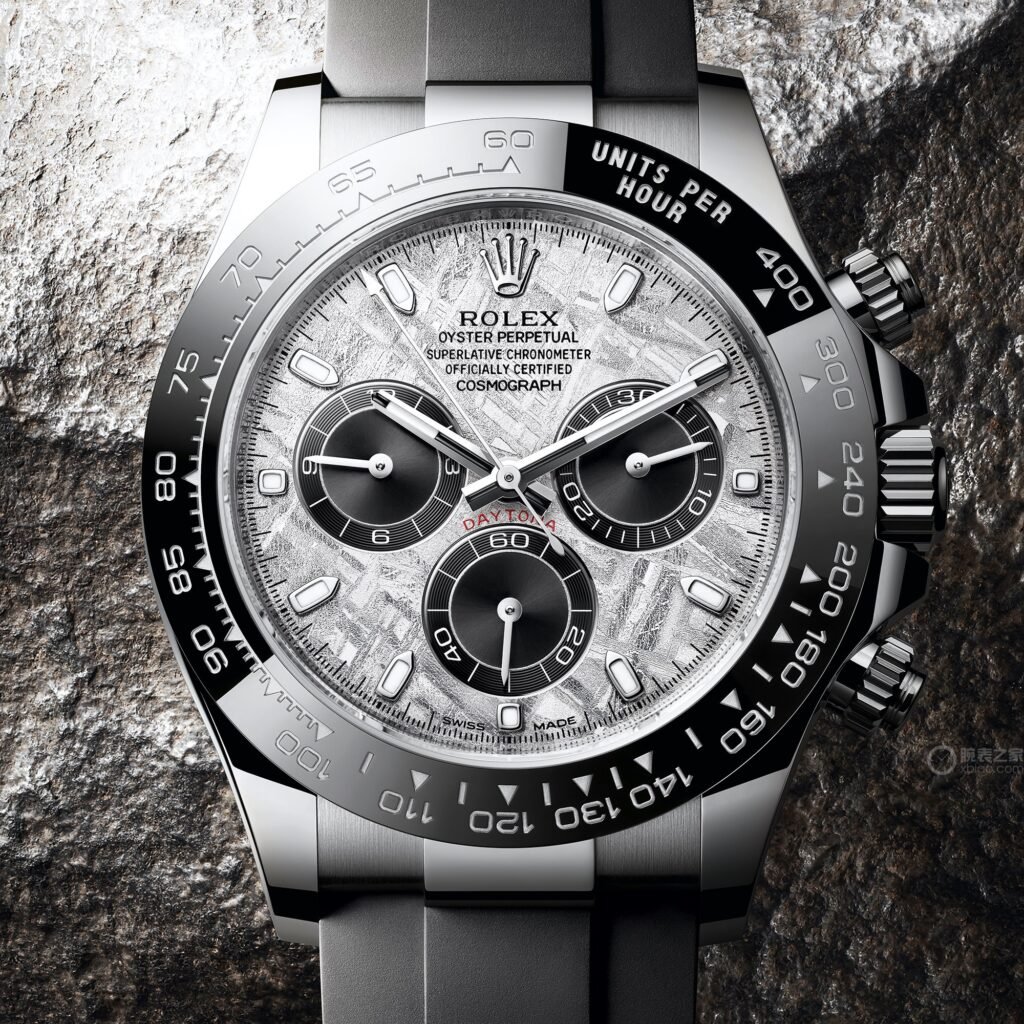
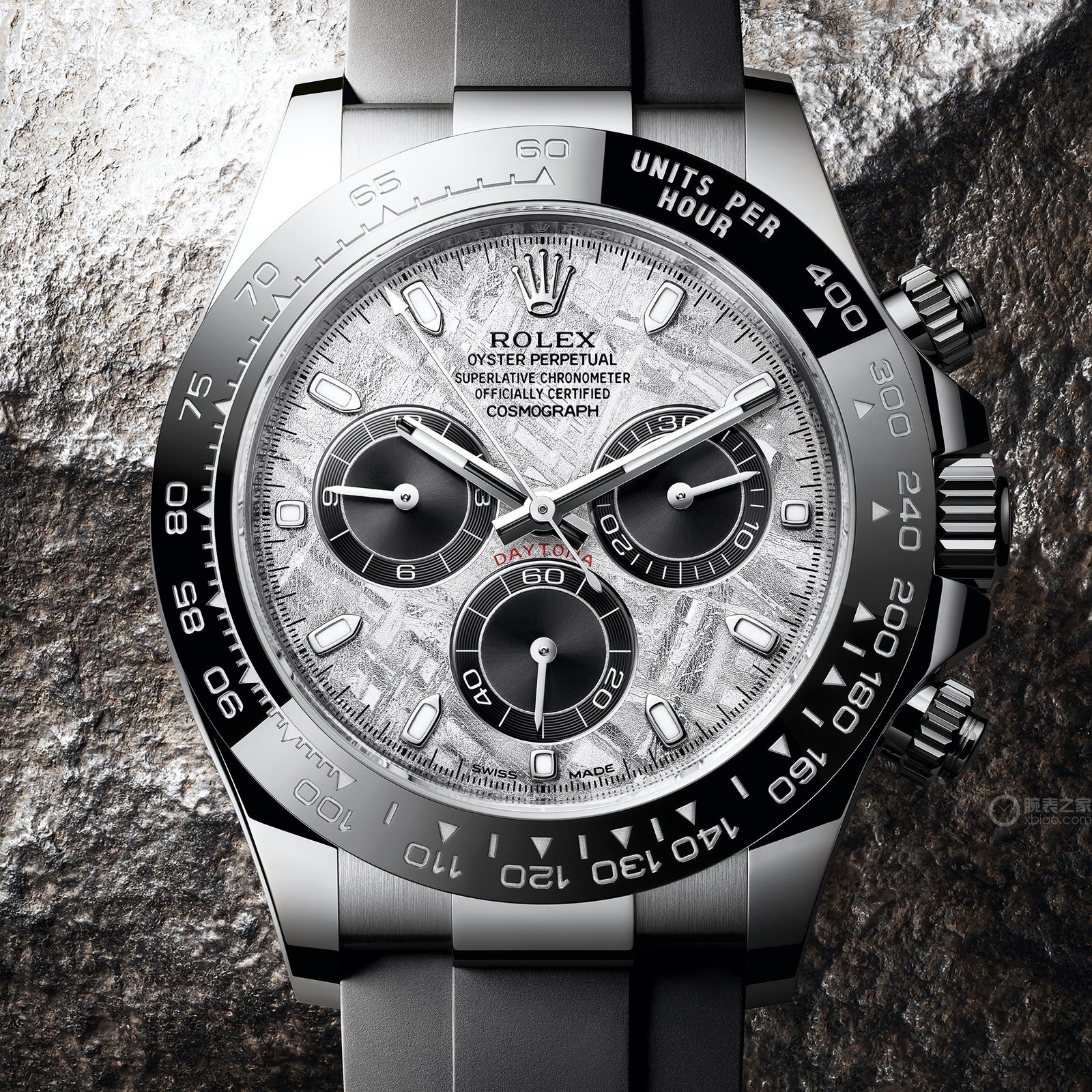
The media-library examples below show a chronograph-style sample from the front and a close view of the bracelet and clasp. They record visible condition at one moment. They do not establish steel grade, movement health, timing, water resistance, factory source, long-term durability, or authenticity.
6. Plan maintenance around symptoms and movement type
Periodic professional service may be appropriate, although a fixed interval is difficult to promise across super clone watches because movement, assembly, use, parts, and repair access vary. Ask the seller what movement is fitted, what service is recommended, which parts are available, and whether a local repairer is willing to work on it.
Mechanical watches should be checked when timekeeping changes sharply, power reserve falls, winding becomes rough, the rotor becomes noisy, or a function stops behaving normally. A timegrapher can provide a useful diagnostic snapshot, but it does not replace inspection when symptoms point to a mechanical problem.
For a battery-powered watch, replace a weak or dead battery promptly through a competent repairer. A depleted battery can leak, and opening the case may disturb the gasket. Ask for the seal to be examined and the water resistance to be retested if that rating matters.
Conclusion: simple habits protect appearance and function
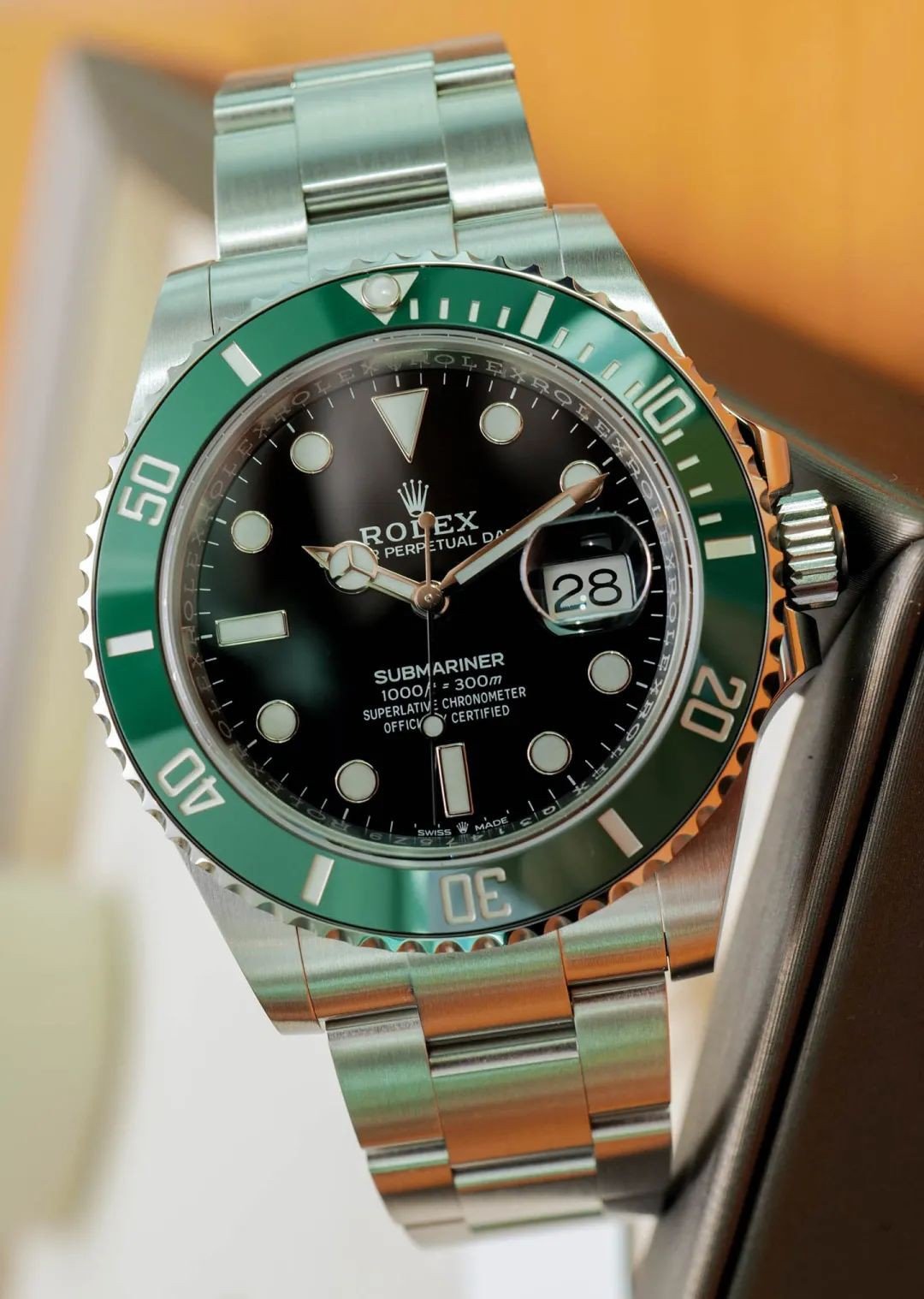
Caring for a super clone watch does not require an elaborate routine. Regular dry cleaning, cautious material-specific methods, limited water exposure, separate storage, chemical awareness, careful handling, and timely inspection help preserve its appearance and function.
The most important habit is responding early. Stop when moisture appears, a crown or pusher resists, a bracelet part loosens, the finish lifts, or performance changes suddenly. Time-Mimic can support that process by providing clear specifications, exact-sample QC, care guidance, and written after-sales terms for the watch being supplied.
Looking for a Top-Tier Clone or Custom Build?
Direct access to VS, ZF, 3KF, Clean & BTF factory stock. We provide detailed multi-angle QC photo & video approval prior to final payment.