How Do Super Clone Watches Hold Up Over Time?
Verified Reddit Watch Specialist (RepTime / RepGuild)

Super clone watches appeal to buyers who want a familiar luxury-watch look without the authentic price. The natural next question is how well they hold up. Longevity depends on materials, craftsmanship, movement quality, maintenance, wear habits, and service access. Those factors form the structure of this guide.
There is no single lifespan for the category. Super clone is a seller-defined label, and two watches sold under it can differ in parts, assembly, seals, quality control, and repair access. A useful answer therefore focuses on the exact sample, the way it is worn, and what happens when service is needed.
At a Glance
| Longevity factor | Useful baseline | Early warning signs |
|---|---|---|
| Case, crystal, and finish | Exact materials, coating details, and clear new-condition photos | Lifting colour, corrosion, clouding, deep scratches, or loose parts |
| Movement | Movement designation, setting guide, initial timing or function test, and service path | Sudden rate change, short power reserve, rough winding, noise, or failed functions |
| Bracelet or strap | Material, fit, clasp operation, spare links, and attachment photos | Cracks, stretched holes, loose screws, open pins, or unreliable clasp |
| Water protection | Current pressure-test method and result for the exact sample | Fogging, droplets, gasket damage, rough crown, or corrosion |
Start with a realistic definition of longevity
A watch can continue running while other parts age badly, so longevity should cover more than timekeeping. Appearance, crown and pusher operation, date change, bracelet security, clasp function, seals, and the availability of repairs all affect whether the watch remains practical to wear.
Usage matters just as much. Daily wear exposes a watch to sweat, impact, abrasion, magnetic fields, water, temperature changes, and repeated crown or clasp operation. A carefully rotated watch stored in a dry box faces a different life from one worn for sports, showers, or manual work.
No photograph or seller can responsibly promise a fixed number of years. The better approach is to establish a baseline, track change, and respond early when performance or condition moves away from that baseline.
1. Material quality shapes visible ageing
Stainless steel, sapphire crystal, and genuine leather can support durability, but those claims need to be tied to the specific watch. Ask for the case and bracelet alloy, crystal type, bezel material, coating or plating, strap material, and any relevant supplier or test record.
QC photographs can document finish and condition, although they cannot confirm composition. Look for consistent colour, clean crystal edges, even brushing, controlled polishing, seated bezel parts, smooth bracelet articulation, and a secure clasp. Small flaws present before wear can become collection points for moisture or abrasion.
Each material has its own wear pattern. Polished steel shows scratches; plating can thin at edges; rubber can crack; leather can darken or split; and adhesives can react to heat or chemicals. Appropriate care slows these changes, but it does not make a finish permanent.
2. Craftsmanship determines how parts work together
Careful craftsmanship can contribute to longer life. Assembly quality affects crown threads, caseback seating, gasket compression, hand clearance, marker security, date alignment, bezel action, bracelet fit, and clasp reliability. Precision in one visible area does not guarantee precision everywhere else.
Before shipment, ask for straight-on, side, back, crown, clasp, and bracelet photographs. Check gaps, screws, pins, spring bars, pushers, end links, and protective film. A crown that starts crooked, a pusher that binds, or a bracelet fastener that is already loose deserves attention before normal use begins.
Careful handling protects assembly. Avoid forcing the crown, date mechanism, bezel, pushers, or clasp. A stubborn function is a reason to stop and inspect, not to apply more pressure. Early correction is usually easier than repairing secondary damage.
3. Movement quality and serviceability guide long-term performance
A reliable automatic or quartz movement can support years of use, but the movement name alone is not enough. Ask for the exact designation, supported functions, setting instructions, expected operating range, parts availability, and whether a local repairer is willing to work on it.
For a mechanical watch, an initial timing-machine result can record rate, amplitude, beat error, beat frequency, and test position. It is a snapshot, not a lifetime guarantee. Future readings are more useful when the watch is tested under comparable conditions and interpreted alongside winding feel, power reserve, noise, and function.
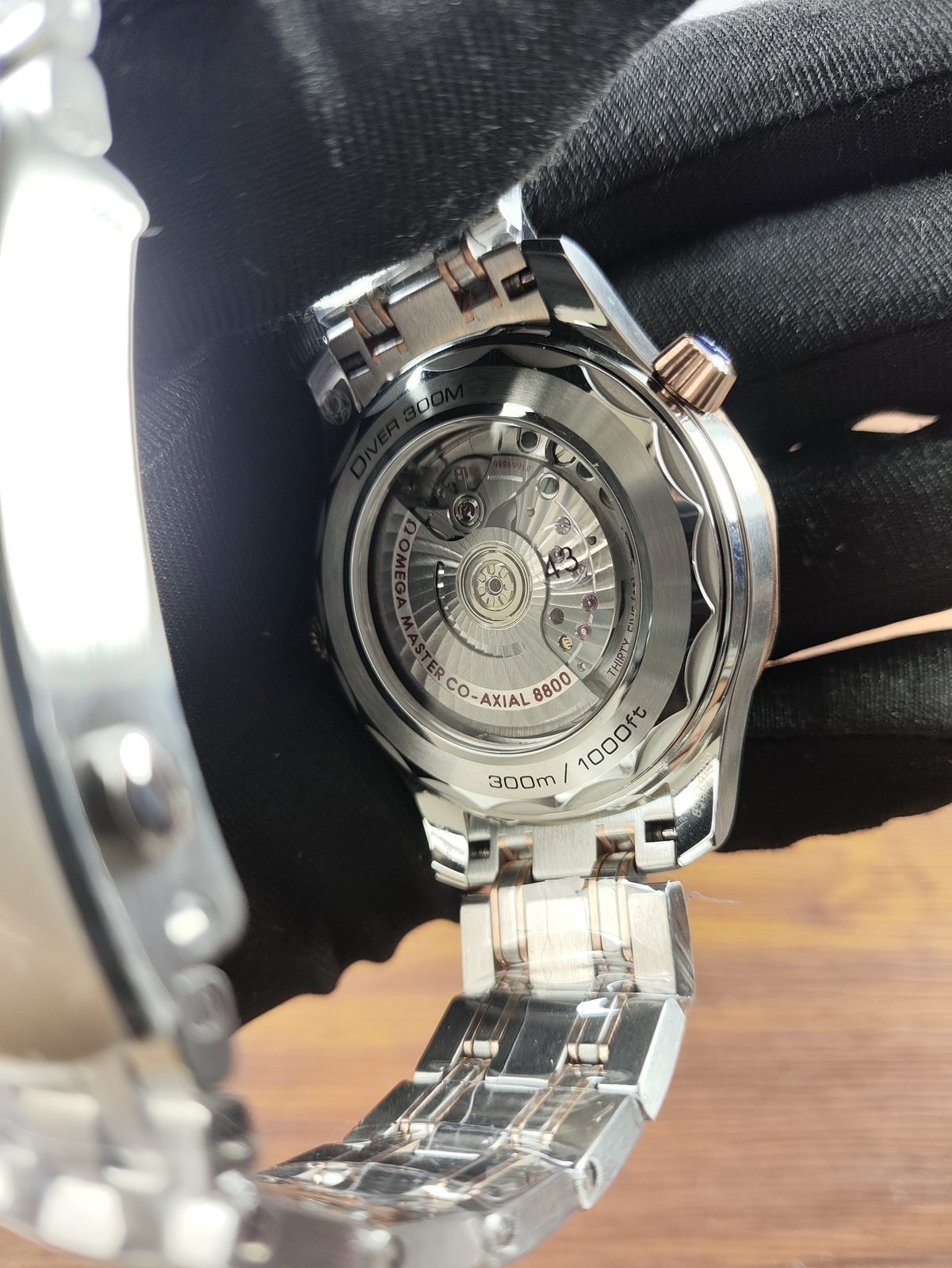
A decorated rotor or display back shows visible architecture. It does not by itself prove movement identity, lubrication, shock resistance, accuracy, or service condition. Long-term value improves when the movement can be identified and repaired without searching for unavailable parts.
4. Regular maintenance prevents small problems from spreading
Cleaning, timely battery replacement for quartz models, and movement service when necessary can reduce avoidable wear. Begin with simple habits: wipe the watch after use, remove salt and skin oils, keep it dry when resistance is uncertain, and store it separately away from heat, sunlight, moisture, magnets, and other jewellery.
Use cleaning methods suited to the known material. A clean microfiber cloth and soft brush are safer starting points than abrasive polish or household chemicals. Leather should not be soaked. Plated and coated surfaces can be damaged by aggressive refinishing.
Service should respond to the movement and symptoms rather than a universal interval. Arrange inspection when timekeeping changes sharply, power reserve falls, winding feels rough, functions stick, the rotor becomes unusually noisy, or moisture appears. A dead battery should be replaced promptly because leakage can damage a quartz movement.
5. Wear and tear are controlled by daily choices
Super clone watches are not indestructible. Remove the watch for impact tools, contact sports, heavy lifting, or work likely to strike the case and crystal. A watch may keep running after a shock while hands, dial parts, rotor bearings, spring bars, or seals have moved.
Treat water claims conservatively. Dial text and a screw-down crown do not constitute a pressure test. Swimming, snorkelling, showering, sauna use, soap, and temperature change create risks that differ from an accidental splash. Use the watch in water only when the exact sample has a current test suitable for the intended activity.
Fit also affects wear. A bracelet that is too loose strikes surfaces and loads its attachment points. A tight strap traps moisture and causes discomfort. Adjust the watch securely, confirm the clasp, and check screws, pins, spring bars, and strap holes at regular intervals.
Build a condition baseline with QC photographs
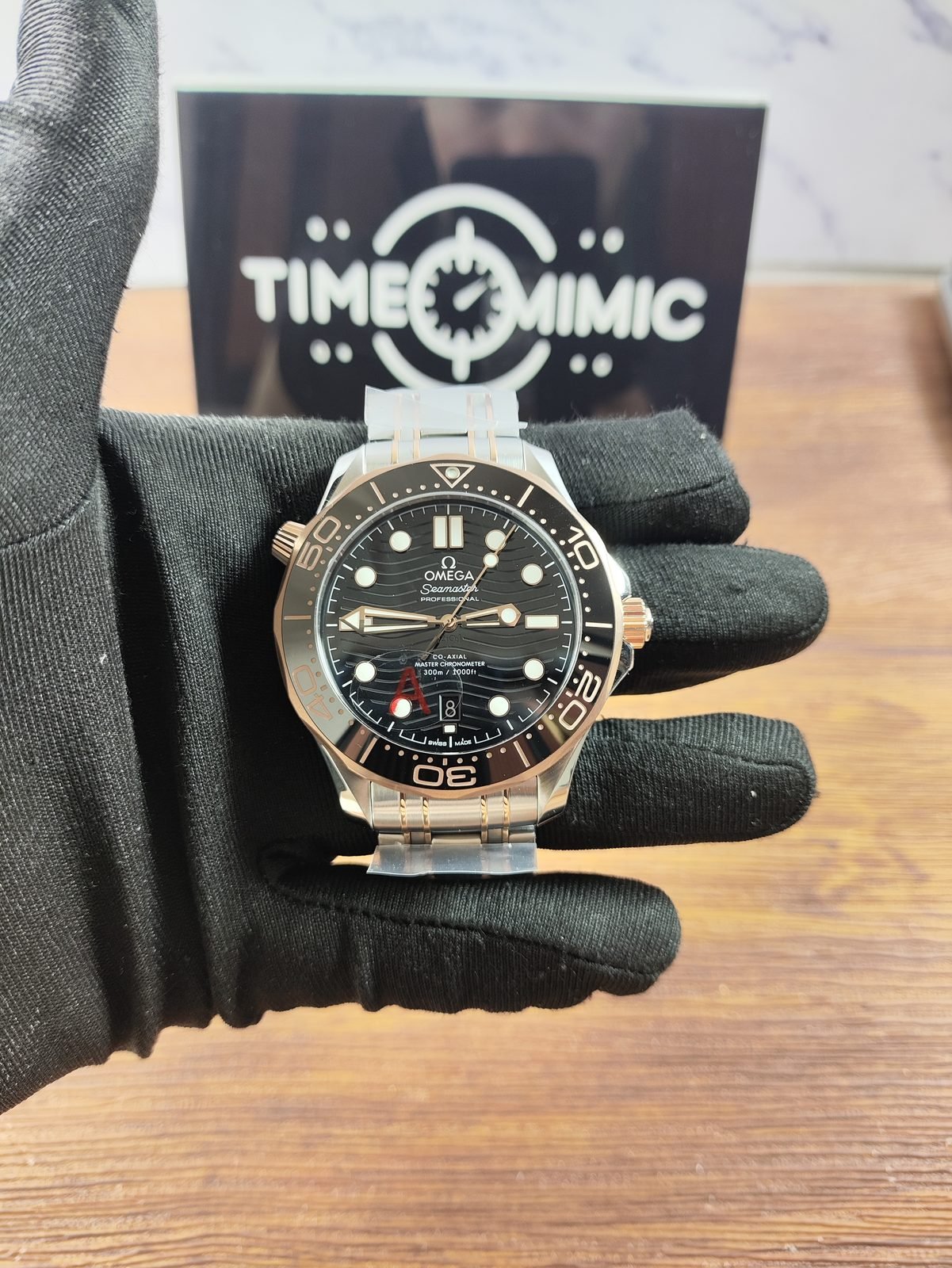
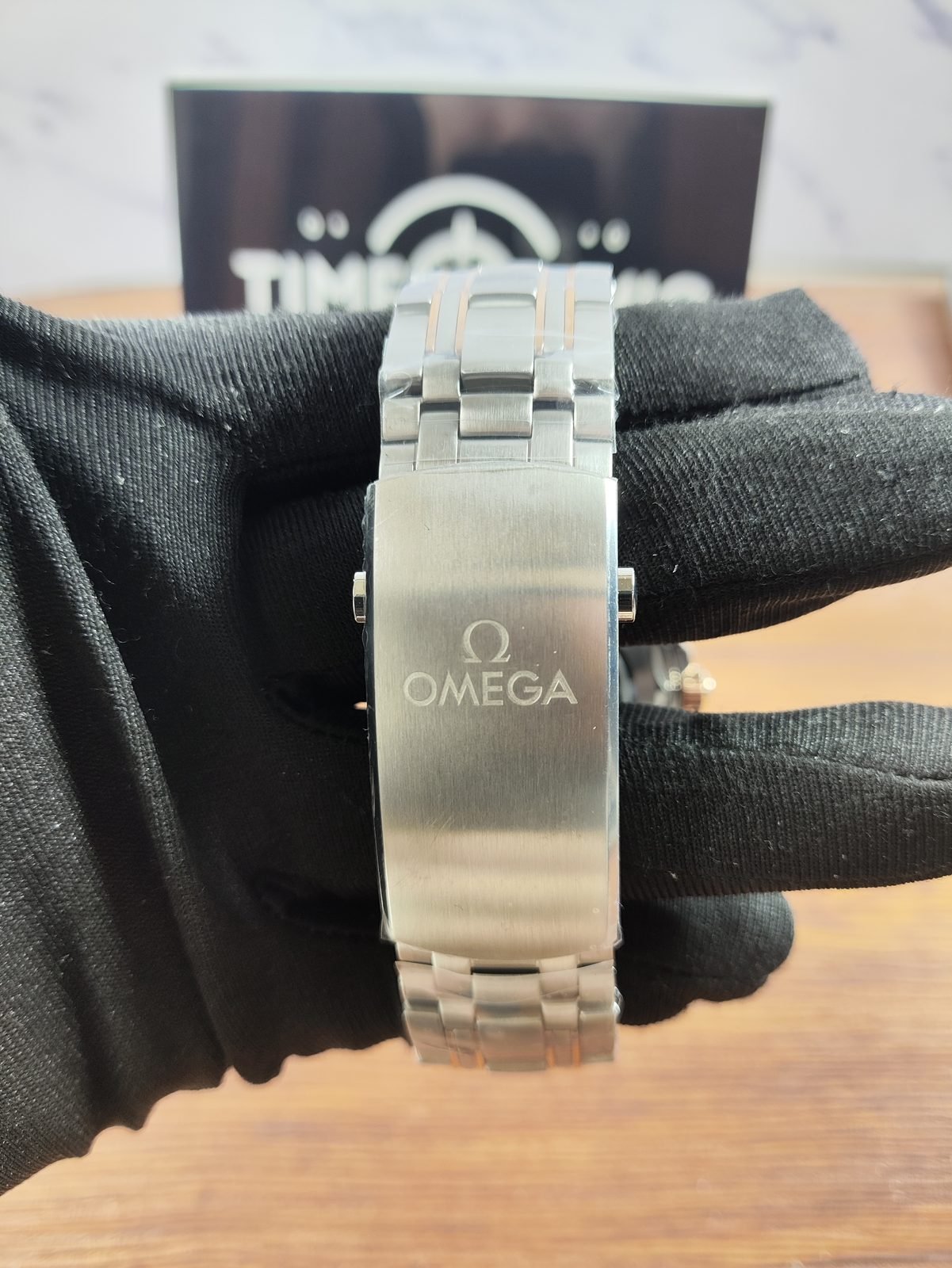
Exact-sample QC provides a reference for future comparison. Save the approved front, side, back, bracelet, clasp, crown, and pusher views. If a gap opens, finish changes, screw moves, or clasp behaves differently, the earlier images help establish what changed.
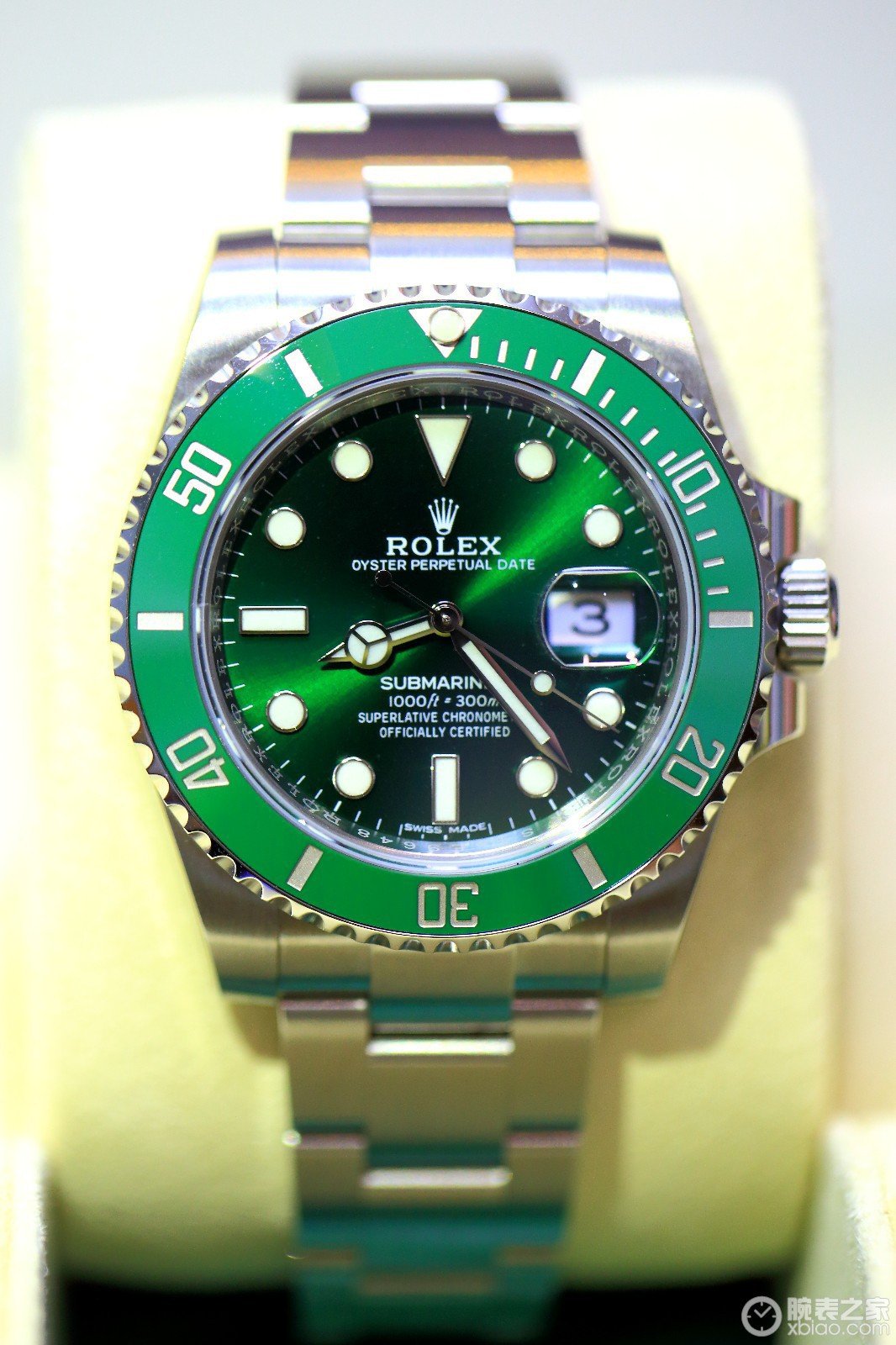
The media-library examples below show a front view and clasp of the same diver-style sample. They document visible condition at one moment. The front image does not prove pressure resistance, and the clasp image does not prove metal grade or future strength. Their value is as a visible baseline.
6. Reviews are useful when they describe time and conditions
Customer reviews can reveal patterns, but the most helpful reports include ownership time, wear frequency, environment, service history, movement version, and the seller's response to problems. A first-day unboxing review says little about longevity.
Look for repeated issues across comparable samples: weak clasps, failing coatings, loose screws, short power reserve, date problems, moisture, or poor parts access. Separate product performance from shipping damage and from damage caused by impacts, water, chemicals, or incorrect operation.
Seller support also becomes part of durability. A repairable fault with available parts and clear warranty handling can be less disruptive than a minor issue that no technician will touch. Confirm the service path before purchase rather than after a failure.
A practical long-term care routine
After each wear, wipe moisture and residue with a soft clean cloth. Each month, inspect the crown, crystal edge, caseback, bezel, bracelet or strap, clasp, screws, and spring bars. Record a sudden change in timekeeping or power reserve instead of repeatedly resetting the watch and ignoring the pattern.
Before travel or water-related use, confirm the current condition and any test result. After a hard impact, moisture exposure, or chemical spill, stop and inspect. Store the watch dry with the crown closed and avoid direct heat as a shortcut for drying.
When service is needed, give the repairer the movement information, symptoms, event history, and earlier QC records. Clear information reduces guesswork and helps decide whether cleaning, adjustment, part replacement, resealing, or a broader service is appropriate.
Conclusion: durability comes from the watch and the owner
Super clone watches can hold up well over time when the materials and assembly are sound, the movement is serviceable, and the watch is cared for within its limits. Longevity is better judged through those verifiable factors than through a broad promise of many years.
Choose from evidence, preserve a condition baseline, limit water and impact, maintain the watch according to its actual materials and movement, and address symptoms early. Time-Mimic can support long-term ownership with written specifications, exact-sample QC, and clear after-sales terms for the watch being supplied.
Looking for a Top-Tier Clone or Custom Build?
Direct access to VS, ZF, 3KF, Clean & BTF factory stock. We provide detailed multi-angle QC photo & video approval prior to final payment.