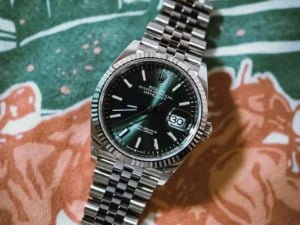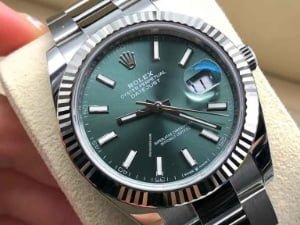
The Evolution of Super Clone Watches: How They’ve Become So Perfect
Verified Reddit Watch Specialist (RepTime / RepGuild)
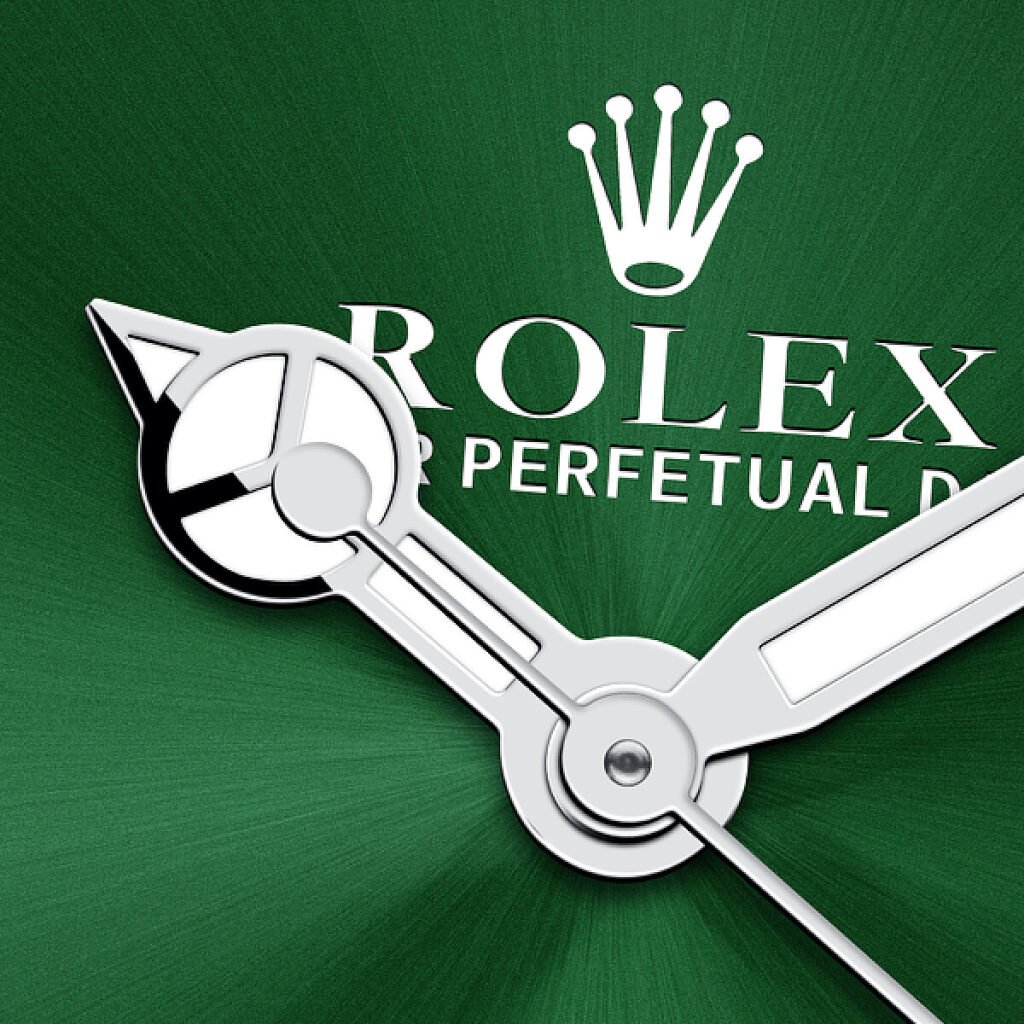
Super clone watches did not appear in their current form overnight. The original article follows a clear progression from obvious, low-cost imitations to replica watches that aim for closer materials, dimensions, movement presentation, finishing, functions, and sample checking. That ten-step story remains intact in this rewrite.
The word perfect, however, needs context. Replica grades are not standardized, and visual similarity does not make a watch equal to an authentic luxury model in engineering, provenance, warranty, service, or value. The most useful way to understand the evolution is to look at what improved, then verify those improvements on the exact watch.
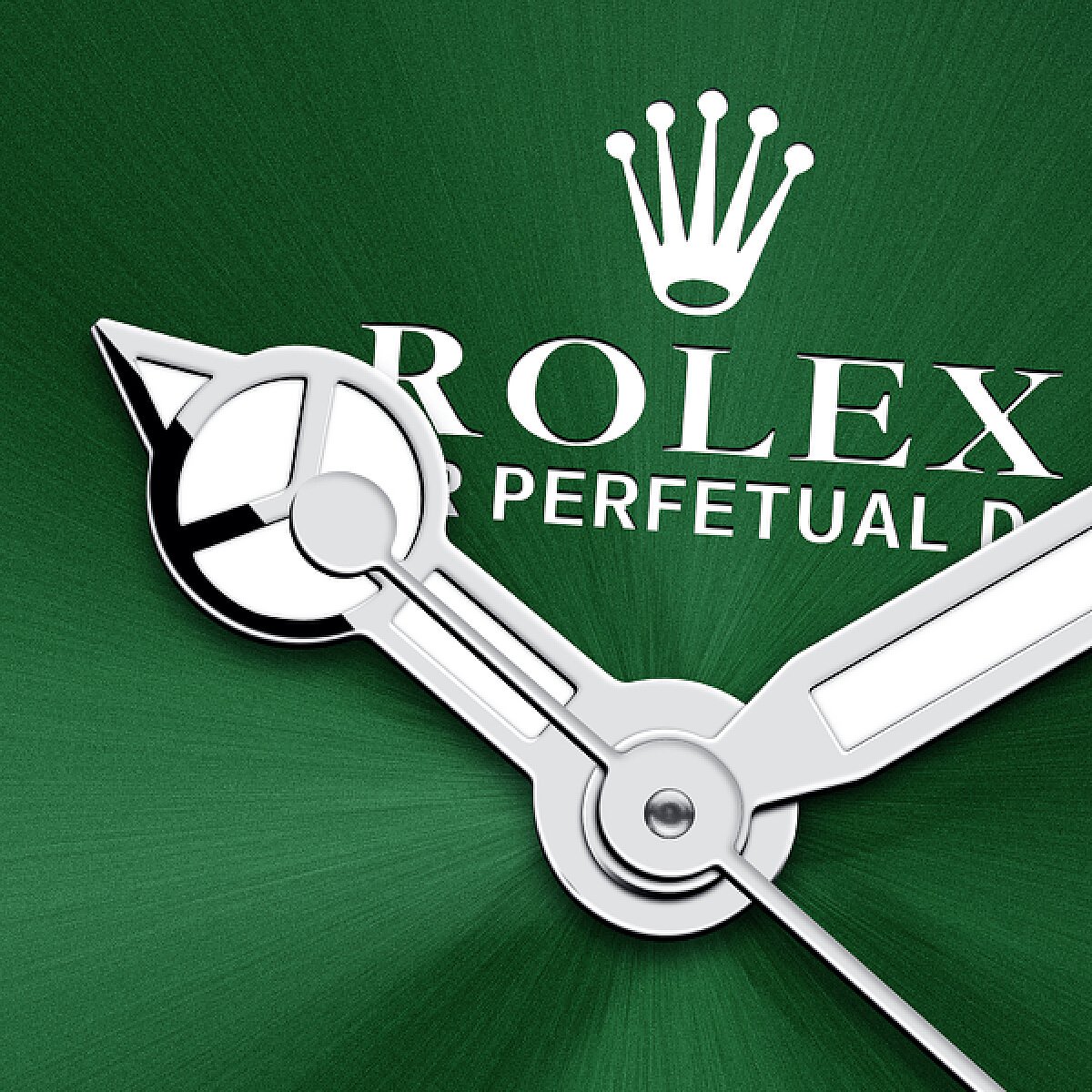
At a Glance
| Stage of evolution | Main improvement | Evidence buyers can check |
|---|---|---|
| Early copies | Basic appearance at low cost | Obvious alignment, finishing and function limits |
| Materials and design | Closer case, crystal, dial and engraving | Written specifications and macro QC images |
| Movement and functions | More automatic movements and working features | Movement identity, timekeeping and function videos |
| Quality control and sellers | More sample-specific inspection and support | Current QC, policies, communication and service terms |
1. Early beginnings: simple imitations
Early replica watches were often easy to recognize. Inexpensive materials, rough finishing, incorrect proportions, loose printing, misaligned details, and unreliable functions separated them quickly from the luxury watches they copied. Even buyers with limited experience could often see the differences.
Those basic copies still established the market that followed. They revealed which visual cues mattered most and gave manufacturers a starting point for improving cases, dials, bracelets, and movements over successive versions.
2. Advances in material quality
One of the first major changes was the use of materials marketed as closer to those found in luxury watches. Listings began to specify higher-grade stainless steel, sapphire crystal, ceramic components, and better straps rather than generic metal and mineral glass. These choices can improve appearance, feel, and resistance to everyday wear.
Material claims still require evidence. A polished surface cannot prove alloy grade, and a clear crystal cannot confirm sapphire on sight. Written specifications, supplier documentation, and sample-specific tests are more useful than a broad super-clone label.
3. Greater precision in design and detail
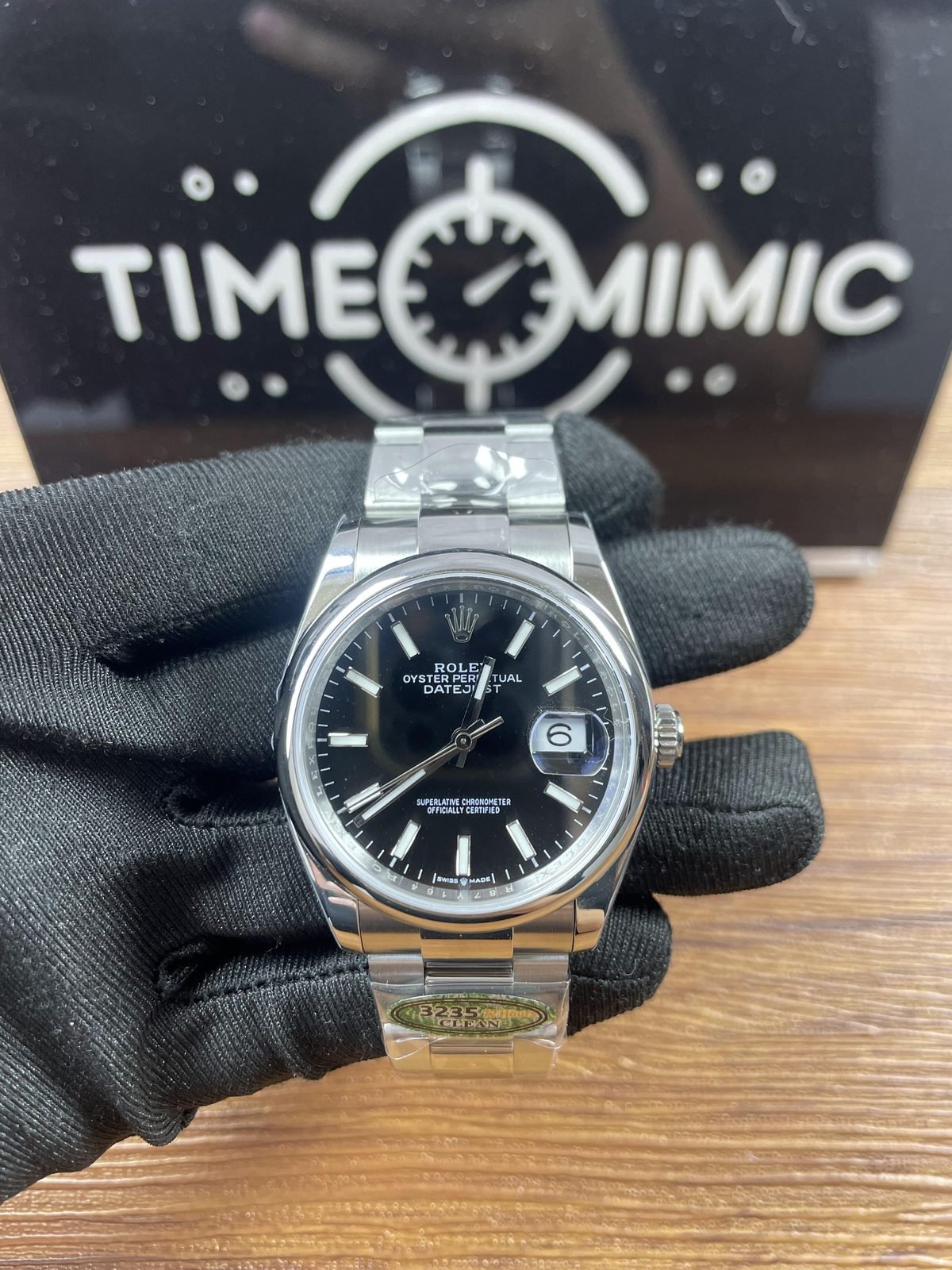
As buyers demanded better replicas, attention moved to proportions and relationships: case diameter, lug shape, bezel width, dial colour, logo position, marker spacing, hand length, date alignment, and engraving depth. A high quality replica watch looks more convincing when these details work together instead of being copied one at a time.
Macro photography also made flaws easier to compare. Current straight-on and side-view QC images now give buyers a practical way to judge alignment, finishing, and assembly on the watch that is actually being prepared for shipment.
4. Improvements in watch movements
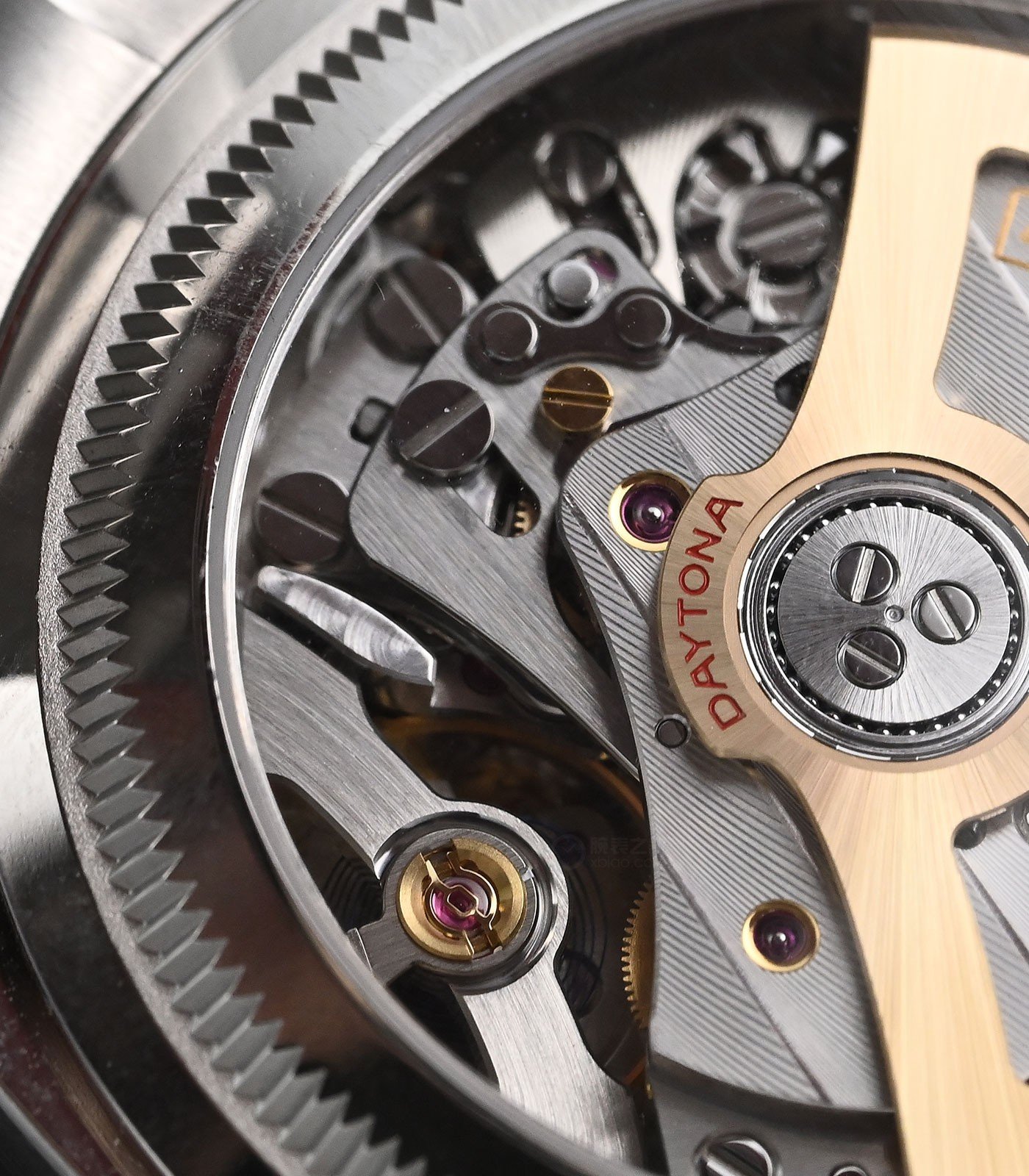
Movement presentation became another dividing line. Many early copies used basic quartz systems, while later super clone watches increasingly advertised automatic or mechanical movements with a smoother-looking seconds hand and crown operation closer to the original design. Some versions also use decorated bridges or layouts inspired by particular calibres.
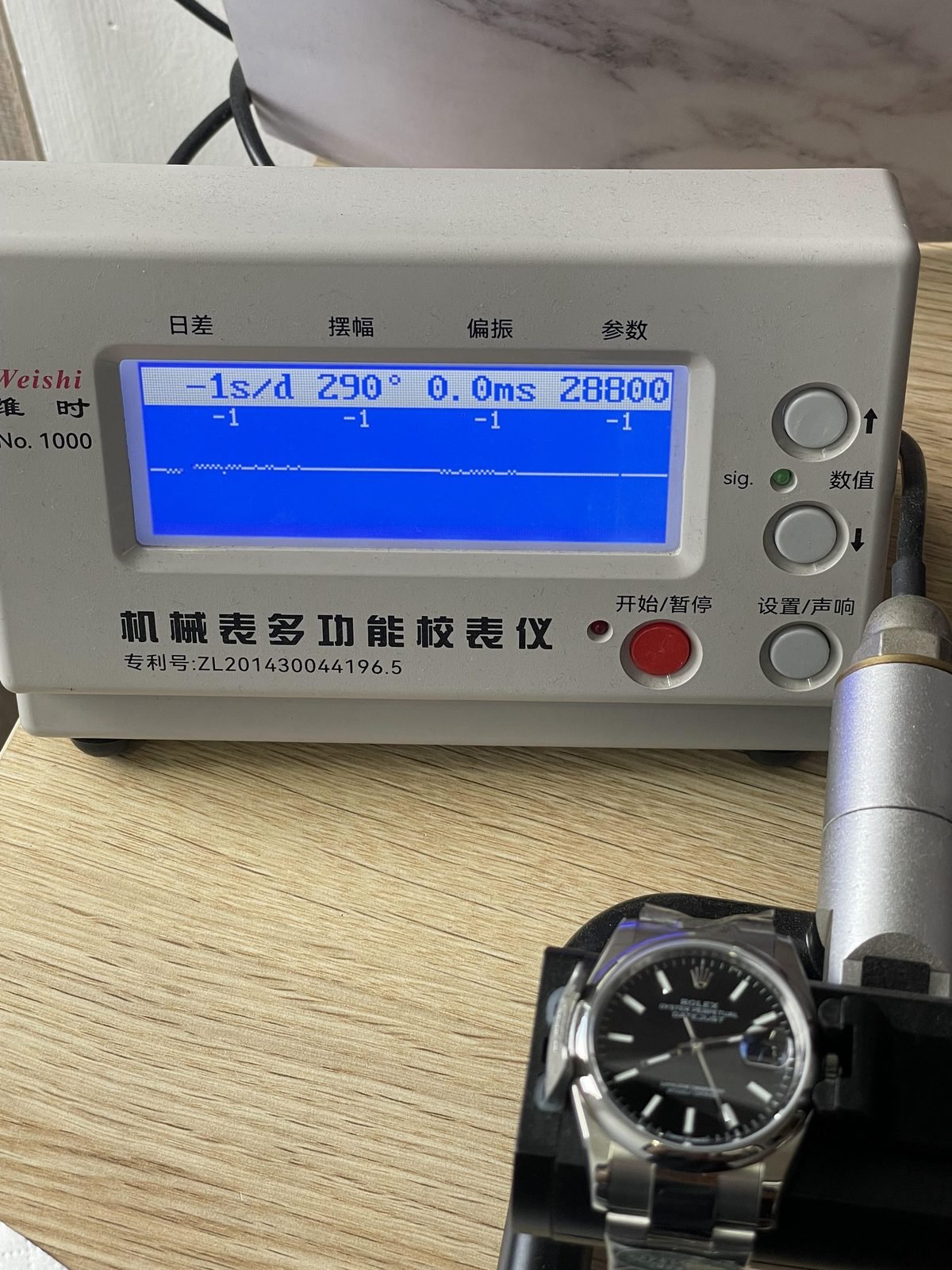
Appearance does not establish equal construction or reliability. Buyers should ask for the exact movement family, a timegrapher result, a winding and setting video, and realistic repair options. A movement that looks familiar through a caseback may still use different parts and architecture underneath.
5. More precise manufacturing techniques
The original article credits modern production methods with much of the improvement. CNC machining, laser engraving, controlled polishing, and more consistent tooling can produce cleaner edges, repeatable shapes, sharper text, and better-fitting components than hand-finished low-cost copies.
These methods explain how closer results are possible, but they do not prove that every seller or factory uses the same equipment or tolerances. The finished sample remains the strongest evidence, especially around the bezel, crown, end links, clasp, and transitions between polished and brushed surfaces.
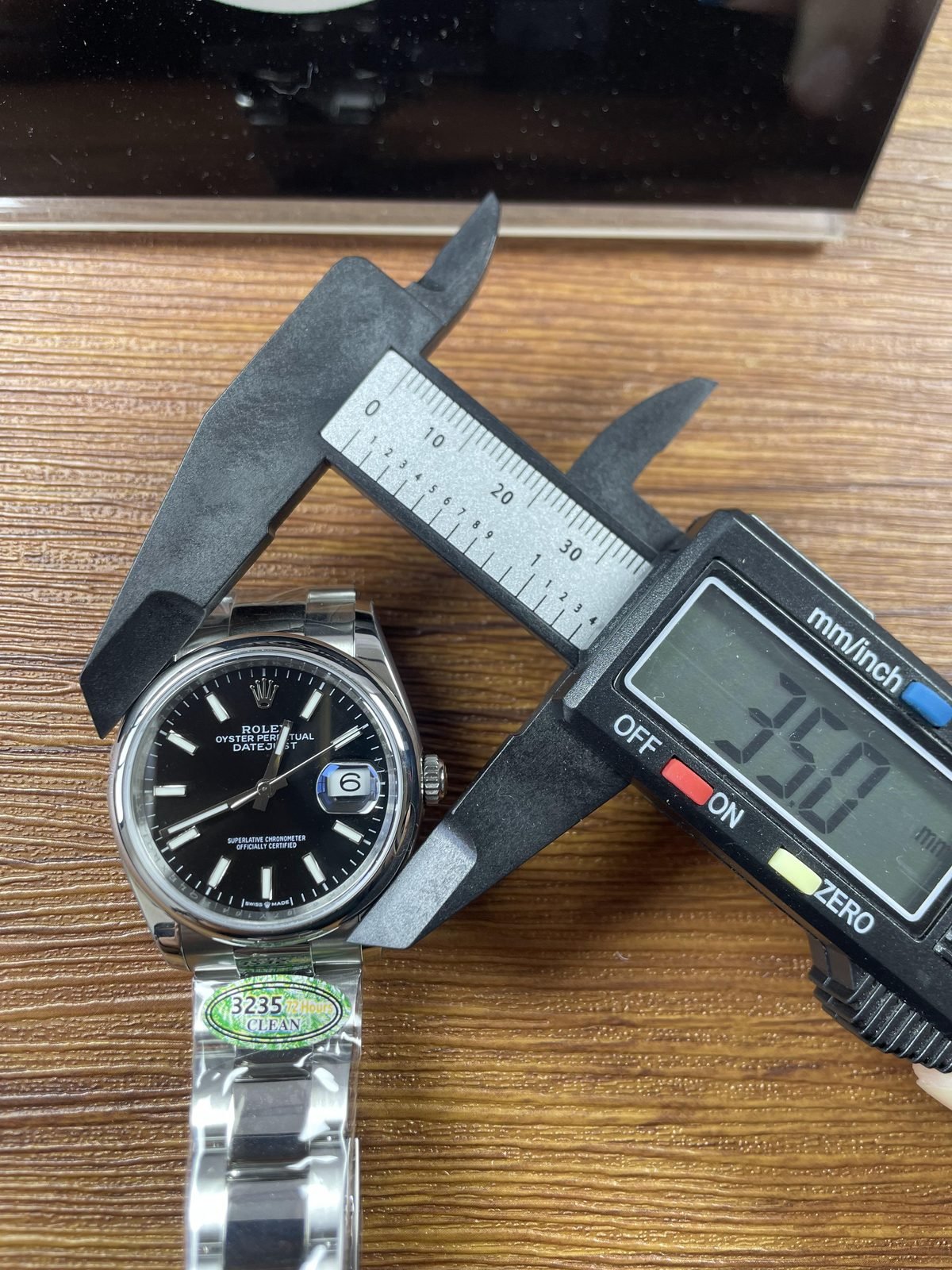
6. Closer logos and branding details
Logos, fonts, coronets, reference markings, and case engravings were once among the easiest tells. Better printing and engraving now allow replica watches to reproduce these visible elements more consistently, with closer placement, scale, line weight, and depth.
A close logo does not authenticate the watch, and branding accuracy should never be used to misrepresent a replica as genuine. It is simply one part of visual comparison, best assessed alongside dial alignment, case proportions, and documented seller disclosure.
7. More attention to weight and feel
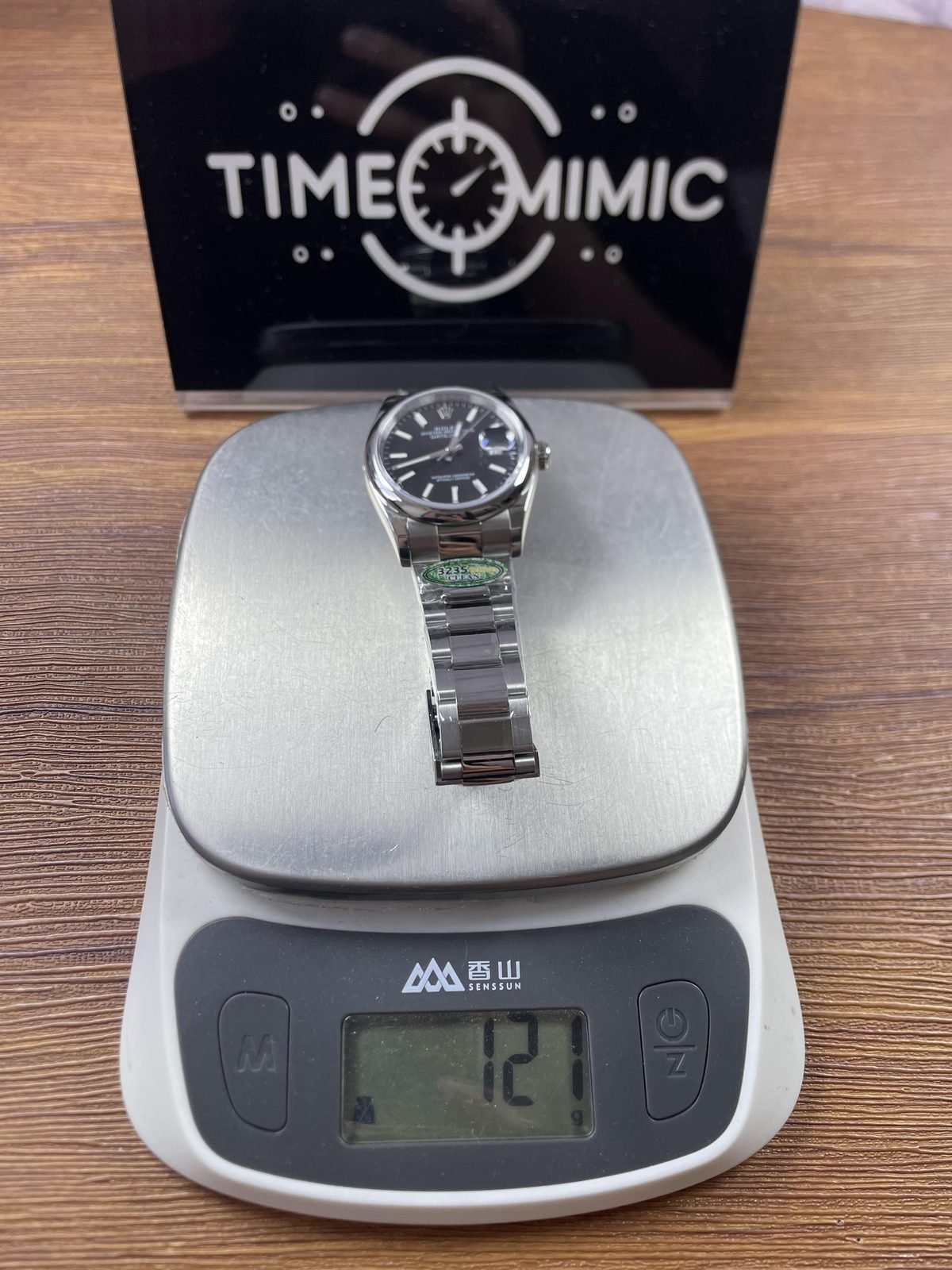
Luxury watches often feel substantial because case dimensions, bracelet construction, clasp design, and material choices work together. Later replicas began to pay more attention to total mass and balance rather than copying only the front view. Measured weight therefore became a useful, repeatable QC point.
The QC image below shows one sample on a scale with a displayed reading of 127 g. That visible reading documents the pictured bracelet configuration only; it does not prove material grade, movement, durability, water resistance, or authenticity.
8. A stronger focus on functionality
The next step was functional ambition. Some modern replicas attempt working chronographs, GMT hands, moon-phase displays, power-reserve indicators, or more complex mechanisms instead of using decorative subdials. When properly implemented, these features make the watch more useful and closer to the interaction intended by the original design.
Each function should be demonstrated on video. A moving hand or subdial does not guarantee the advertised complication, and complex mechanisms may create additional service risk. The exact controls, reset behaviour, date change, and adjustment method should be checked before purchase.
9. Constant revision and model updates
Replica manufacturers continue to revise products as reference material, buyer feedback, and new luxury releases appear. Later versions may adjust dial colour, case thickness, bezel shape, bracelet taper, movement decoration, or small printed details that earlier versions missed.
That cycle explains why version names matter, but newer is not automatically better in every respect. Buyers should identify the exact release, compare its known changes, and judge the current sample instead of relying on a factory reputation or a seller's claim that it is the latest.
10. The rise of specialist sellers and QC
The final development in the original article is the growth of specialist sellers. Better sellers can add value by identifying versions clearly, supplying current QC photos or videos, checking basic functions, explaining limitations, and setting out return and repair policies before payment.
Trust should still be earned through evidence. Recent independent transaction reports, responsive communication, sample-specific QC, written terms, and a clear problem-resolution process matter more than labels such as reputable or guaranteed. No seller can turn a replica into an authentic luxury watch.
What this evolution changes for buyers
Better tools, closer reference data, and sample-specific QC give buyers more information than earlier replica markets offered. They also create more claims to verify. Use one checklist for every offer: exact reference and version, dimensions, movement family, working functions, stated materials, current photos, available tests, return terms, repair route, delivery responsibility, and final cost.
Read the images as a consistent record. Dial, hands, date, bracelet, protective film, background, and visible stickers should belong to the same watch. A newer version or specialist seller may reduce uncertainty, but neither replaces evidence for the sample that will ship.
Version claims should be specific enough to compare. Ask what changed from the previous release and whether the change affects dimensions, dial, bezel, bracelet, clasp, movement, or function. A latest-version label has little value when the seller cannot describe the revision or show the corresponding sample.
The buying process has evolved along with the watches, so total ownership cost belongs in the assessment. Include payment fees, shipping, possible duties, testing, sizing, return postage, and likely service. A technically improved watch is still poor value if repair support is unclear or the complete cost exceeds the buyer's comfortable budget.
Conclusion
The evolution of super clone watches is a progression from simple visual copies toward closer materials, proportions, movements, manufacturing, branding details, weight, functions, version updates, and quality control. These developments can produce a more convincing luxury replica watch for less than an authentic model.
They have not created a universal standard or a perfect substitute for authentic ownership. The most reliable buying decision still depends on the exact reference and version, written specifications, current QC, working-function evidence, seller support, and realistic expectations about service and resale.
Looking for a Top-Tier Clone or Custom Build?
Direct access to VS, ZF, 3KF, Clean & BTF factory stock. We provide detailed multi-angle QC photo & video approval prior to final payment.