How to Care for Your Super Clone Watch to Ensure Longevity?
Verified Reddit Watch Specialist (RepTime / RepGuild)
The safest way to make a super clone watch last is to treat every unverified claim as unknown until the delivered unit has been checked. Keep it dry until it passes a pressure test. Wipe away sweat and moisture after wear. Protect it from shocks, strong magnets, chemicals and sharp temperature changes. Never force the crown, pushers, date mechanism or clasp, and arrange a service path before a small problem becomes a movement failure.
This advice is deliberately conservative. Super clone watches do not share one construction standard, movement, gasket quality or service interval. A routine that works for a tested stainless-steel sports watch may damage an untested plated case, leather strap or poorly sealed crown. Your exact sample and your actual use should control the plan.
Longevity comes from a clean baseline, gentle daily habits, dry-first cleaning, separate tests for water resistance and timekeeping, and early professional attention when the watch changes behavior.
Record a baseline before daily wear
Create a simple ownership record on the day the watch arrives. Photograph the dial, case sides, case back, crown, bracelet, clasp and any visible marks. Record the seller's written movement claim, delivered dimensions, sized weight and the links removed. Save the exact-unit QC media with the order record.
Check every function slowly. Wind only until you feel normal resistance, set the time, test the date and operate each claimed complication. Stop if the crown grinds, slips, catches or requires force. A chronograph hand that will not reset cleanly, a loose crown, a date that hangs between windows or a clasp that releases under light pressure deserves attention before routine use.
Measure a practical baseline rather than chasing one perfect number. Note the rate after a normal day, the resting position overnight, the approximate power reserve from a known full wind and the date-change time. These readings describe your sample. They do not prove movement identity, future reliability or factory-level regulation.
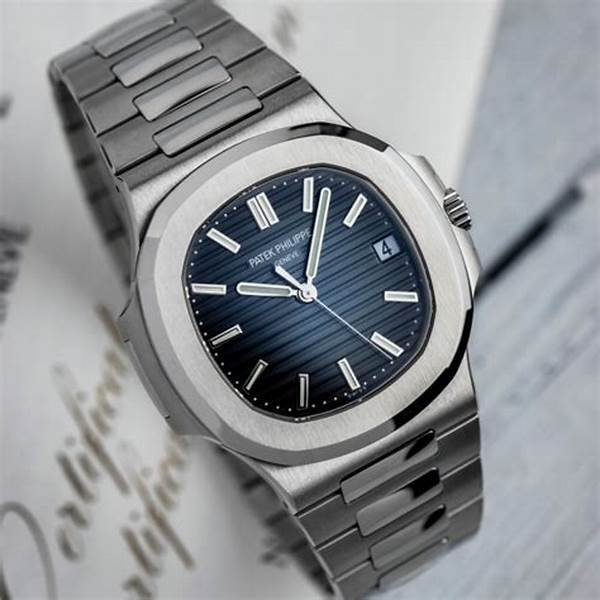
The media-library feature image shows a blue-dial integrated-bracelet watch as a visible care reference. It can help you notice finish transitions, bezel edges, bracelet articulation and areas where skin oils collect. It does not establish authenticity, movement, alloy, gasket condition, water resistance, service history or ownership.
Use this arrival checklist:
| Area | Safe first check | Warning sign | Your record |
|---|---|---|---|
| Crown and setting | Turn gently and confirm each position | Grinding, wobble, slipping or force | Short video and written note |
| Functions | Test each claimed display separately | Sticking hand, incomplete reset or date jam | One continuous function video |
| Exterior | Inspect under ordinary light | Loose screw, sharp edge, open gap or deep mark | Photos of all sides |
| Timekeeping | Compare over a normal day and overnight | Sudden large change or inconsistent behavior | Time, position and state of wind |
| Water exposure | Keep dry until professionally tested | Seller relies only on dial text or a past test | Dated pressure-test result |
Build a two-minute routine after every wear
After you remove the watch, wipe the case back, crown area, bracelet or strap and clasp with a clean, soft, dry microfiber cloth. Sweat, sunscreen, skin oil and dust collect where the watch touches the wrist. Leaving that mixture in bracelet joints or around the crown can accelerate staining, stiffness and strap wear.
Seiko's daily-care guidance recommends removing moisture, sweat and dirt and warns against direct tap pressure and organic solvents. Casio likewise advises frequent wiping to keep the watch and band free of sweat, water and foreign matter. Grand Seiko's detailed care page also connects accumulated sweat and dirt with corrosion, stiff controls and declining water resistance. These are useful habits for an unknown replica because they do not depend on a claimed depth rating.

A media-library wrist image shows a chronograph-style watch during ordinary wear. It is a visible reminder to check the crown, pushers, strap attachment and clasp after contact with clothing, a desk edge or exercise equipment. The photo does not prove the watch's identity, metal, water resistance or mechanical condition.
Before putting the watch away, check three things: the crown is in its normal position, the clasp is fully closed and no new moisture is visible under the crystal. If fog remains inside the watch, stop wearing it and take it to a watchmaker. Drying the outside will not remove water already inside the case.
Clean the exterior without gambling on the seals
For an untested watch, keep the case dry. Use a microfiber cloth and a soft, dry brush around bracelet gaps, the case back edge and the bezel. Do not spray cleaner onto the watch. Avoid alcohol, bleach, acetone, perfume, polishing paste and household solvent. They can affect coatings, adhesives, paint, rubber and gaskets.
Only wash the case after a watchmaker has pressure-tested the delivered unit and confirmed what exposure is suitable. Even then, close the crown, use a bowl rather than a high-pressure tap, choose a small amount of mild soap, rinse gently and dry every joint. Do not operate the crown or pushers while the watch is wet.
Rolex's care guidance permits soapy water and a soft brush for its own tested cases and metal bracelets after the crown is secured. Hamilton's watch-care page also separates water-resistant cases and metal or rubber straps from leather. Those instructions illustrate why construction and test status matter. They are not proof that an unknown replica can be cleaned the same way.
Do not use a home ultrasonic cleaner on the complete watch. Vibration and liquid can reach weak seals, loosen applied parts or damage a movement. A professional may clean a removed metal bracelet separately, but that is different from immersing the assembled watch.
Treat water resistance as a condition, not a permanent feature
Water resistance depends on the case, crystal, crown, tube, pushers, case back, gaskets and correct assembly. It can change after an impact, case opening, crown repair or simple gasket aging. ISO 22810 defines requirements and test methods for water-resistant watches. A dial marking, seller video or product name is not a substitute for a test on your unit.
Until a watchmaker confirms the result, take the watch off before showering, bathing, swimming, washing dishes or working around pressurized water. Steam, soap, sudden temperature changes and crown movement add risks that a depth number alone does not explain. Searching for a waterproof replica watch does not create waterproofness.
If you want water use, ask for a dry pressure test first. Discuss the intended activity and the watch's construction with the tester. Repeat the test after the case is opened, after a hard impact, when the crown feel changes, or before planned water exposure if the prior result is old. Hamilton notes that water resistance is not permanent, Citizen states that ratings vary by model, and Omega's user manual recommends periodic testing for its own watches because gaskets age and crowns can be shocked. Your replica deserves at least the same caution, without assuming it meets any brand's specification.
Keep the dated test result with your maintenance record. Write down whether the test was dry or wet, the pressure used and whether the case was opened afterward. A seller's factory video may describe a different sample, and an old result may no longer describe a watch that has been dropped or serviced. The ISO explanation of water resistance is useful context, but your decision still depends on the delivered unit and intended activity.
Reduce shock, magnetism and temperature stress
A mechanical watch is built from small parts that react to impact and magnetic fields. Remove it for activities that deliver repeated shocks to the wrist, such as striking tools, racket sports or heavy gym work. Set it down on a clean cloth, not on stone, tile or a hard metal surface.
Keep it away from speaker magnets, magnetic bag clasps, tablet covers, induction equipment and other strong sources. Seiko explains in its magnetism guide that mechanical watches can gain or lose time and may remain magnetized until treated. ISO 764 defines minimum requirements and test methods for watches that claim magnetic resistance. An unknown replica should not be assumed to meet that standard.
If the daily rate changes suddenly after contact with a magnet, record the change and ask a watchmaker to check for magnetism before requesting regulation. Regulation without removing the cause can hide the diagnosis.
Avoid rapid transitions between strong heat and cold. Patek Philippe's care recommendations warn about shocks, prolonged vibration, extreme temperature changes and magnetic fields. Tissot's mechanical-watch manual gives similar cautions for its own products. Use the principle, not the brand interval or specification.
Wind, set and use complications gently
Do not force a stopped automatic replica watch to start by shaking it hard. Give it a few slow manual turns if the movement is claimed to support hand-winding, then wear it or let the rotor work normally. Stop if the crown feels gritty, free-spins or becomes unusually tight.
The safest date-setting rule for an unidentified movement is to move the hands forward until you know whether the watch is near its date-change cycle, then set the date well away from that period. Because quick-set danger windows vary by movement, ask for the exact caliber instructions rather than relying on a universal time range.
Operate screw-down crowns straight and with light pressure. Turn backward gently until the threads seat, then screw in without forcing. Cross-threading can damage the crown tube and water seal. Never press chronograph pushers underwater unless the exact tested construction specifically permits it.
Marketing terms such as high quality replica watch, exact replica watches and swiss super clone watches do not tell you the movement's safe operating method. The correct instruction must come from the identified mechanism or a watchmaker who has examined it.
Match care to the bracelet or strap
Keep a metal bracelet comfortably fitted. A loose bracelet can swing, pull on end links and strike hard surfaces. One that is too tight traps sweat and places unnecessary pressure on the clasp and pins. Check screws, spring bars, end links and clasp engagement regularly, especially during the first weeks after sizing.
For leather, wipe moisture with a dry cloth and let the strap air-dry away from direct heat. Do not soak it or apply an unknown conditioner. Seiko's band-care guidance explains that leather is more vulnerable to moisture, sweat and sunlight even when a watch head is water-resistant.
Rubber and silicone tolerate more moisture but still collect salt, oil and sunscreen. Citizen recommends periodic cleaning and complete drying for rubber and silicone straps. Test any cleaner on an inconspicuous area and keep chemicals away from the case until its coating and seals are known.
Store the watch dry, stable and separated
Store the watch in a ventilated, dry place with moderate temperature. Keep it away from magnetic closures, speakers, direct sunlight, bathrooms and chemical fumes. Seiko's storage guidance recommends a dust-free, ventilated place without extreme heat, cold or humidity.
Close the clasp around a soft cushion without forcing the bracelet into a tight curve. Keep different watches from touching so bezels, crystals and polished links do not scratch one another. If the watch will sit for weeks, do not keep it running merely to avoid resetting it unless the movement's maker recommends that use.
A winder is optional, not maintenance. Continuous operation adds movement cycles. Use one only when the movement is identified, the direction and turns per day are known, and convenience outweighs the added running time.
Use symptoms to schedule professional service
There is no honest universal service interval for replica watches. Original brands publish intervals for products whose movements, materials, tests and service systems they control. Patek Philippe directs its watches to authorized service, while Rolex shows a service process that includes movement work and pressure testing. Your replica may need a different plan.
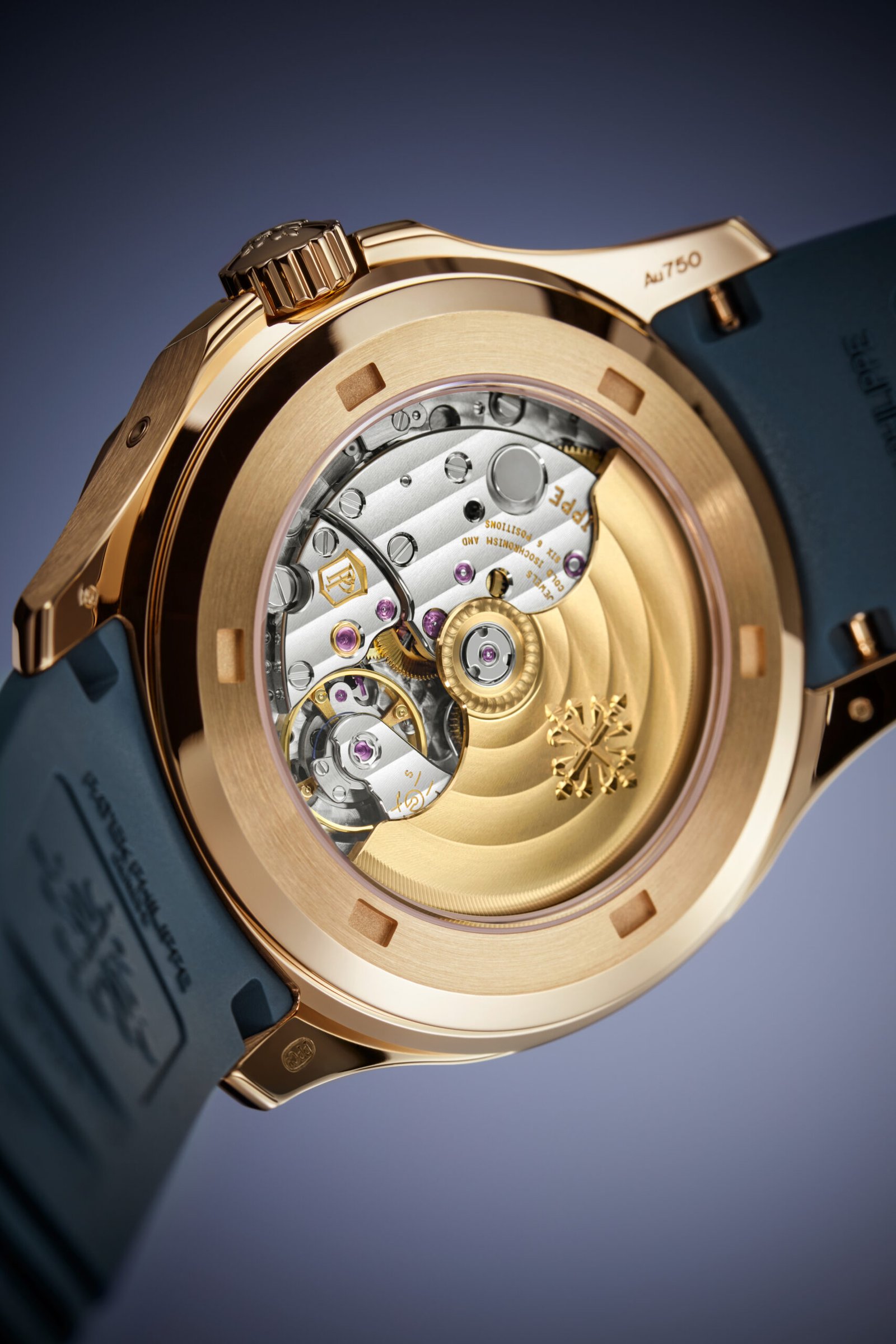
A media-library display-caseback image shows a visible decorated movement example. It can help you discuss rotor clearance, visible screws, corrosion, debris and case-back sealing with a watchmaker. The image does not prove the movement identity, hidden condition, lubrication, accuracy, alloy, authenticity or the condition of your watch.
Find an independent watchmaker who agrees to inspect the stated movement before a failure. Ask whether parts are available, whether the movement is worth servicing, what a basic inspection costs and whether the case can be pressure-tested after opening. Hamilton's description of partial maintenance is a useful example of how seal work, testing and movement checks belong together, but your watchmaker must define the suitable scope for your sample. Do not open the case yourself, add oil, blow compressed air into the movement or tighten unfamiliar screws.
Book an inspection when you notice a sudden rate change, much shorter power reserve, rough winding, a loose rotor sound, a date or chronograph fault, moisture, a crown change or visible metal particles. Early diagnosis may turn a small adjustment into a manageable repair. If a battery-powered replica stops, do not leave an exhausted cell inside indefinitely; Citizen's warranty and care terms explain why prompt replacement and resealing matter for its own products. A qualified technician should identify the correct battery and recheck the case rather than treating replacement as a simple lid-off task.
When behavior changes, alter one thing at a time. Record the resting position, state of wind, temperature and recent events before adjusting the watch. A clear note such as "rate changed after magnetic-bag contact" gives a watchmaker more useful evidence than a general complaint that the watch is inaccurate. Do not regulate the movement repeatedly to chase daily variation before checking magnetism, power reserve and mechanical condition.
Follow a care schedule you can actually keep
| Timing | Your action | What it protects | Escalate when |
|---|---|---|---|
| After wear | Dry-wipe case back, crown area, band and clasp | Finish, joints, strap and skin contact areas | Moisture remains under the crystal |
| Weekly | Check crown position, clasp security and new marks | Water seal, retention and early damage record | Crown, pusher, screw or clasp feels loose |
| Monthly | Compare rate, power reserve and function behavior with baseline | Detects change before failure | A clear shift repeats across several days |
| Before water use | Obtain a current pressure test on the delivered unit | Prevents reliance on seller or dial claims | Tester will not approve the intended exposure |
| After impact or opening | Stop water exposure and arrange inspection | Gaskets, crown, crystal, movement and alignment | Fog, new noise, hand contact or setting problem appears |
| As advised by your watchmaker | Inspect or service the identified movement | Lubrication, wear, regulation and seals | Parts or service path are not viable |
Good care is less about buying special products and more about noticing change. Keep the watch clean and dry, operate it gently, test rather than assume, and preserve a record of how it behaved when healthy. Those habits can extend the useful life of a luxury replica watch while giving you clear evidence when professional help is needed.
Looking for a Top-Tier Clone or Custom Build?
Direct access to VS, ZF, 3KF, Clean & BTF factory stock. We provide detailed multi-angle QC photo & video approval prior to final payment.