The Ultimate Guide to Buying Super Clone Watches Online
Verified Reddit Watch Specialist (RepTime / RepGuild)
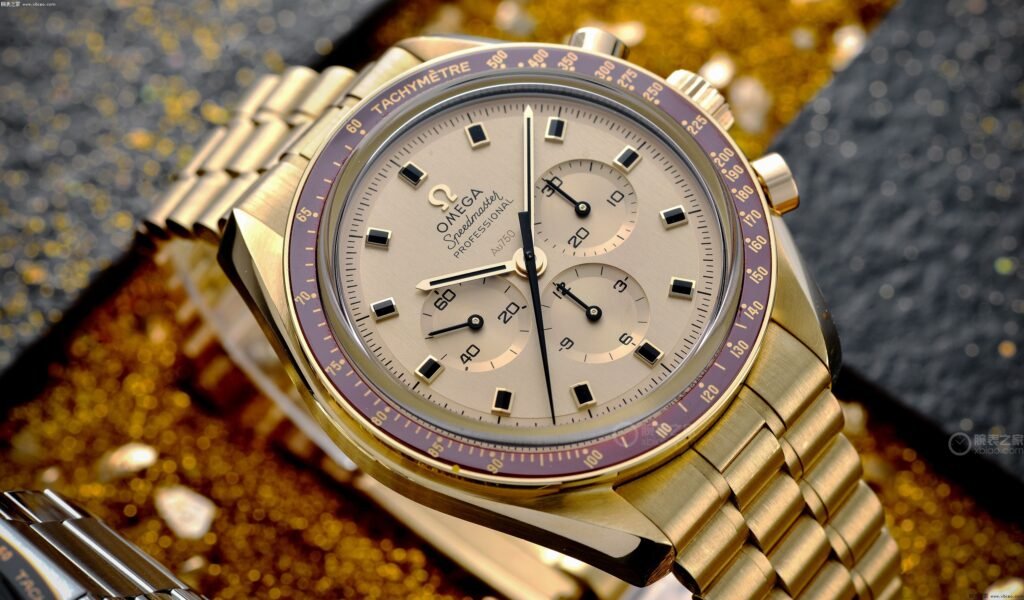
Buying super clone watches online is less about finding the loudest claim and more about controlling what can go wrong. You need to know the exact watch you are considering, see evidence from the specific sample, understand the total cost, and keep a realistic way to recover your money if the seller does not deliver what was agreed.
This guide gives you a practical order to follow. It will not tell you that a photo proves a movement, that a label proves a material, or that one seller policy applies in every country. It will help you ask better questions, preserve evidence, and decide when the remaining risk is too high.
You should be able to explain what you are buying, what evidence supports it, what happens if it arrives differently, and how you will inspect it before the return window closes. If one of those answers is missing, pause the order.
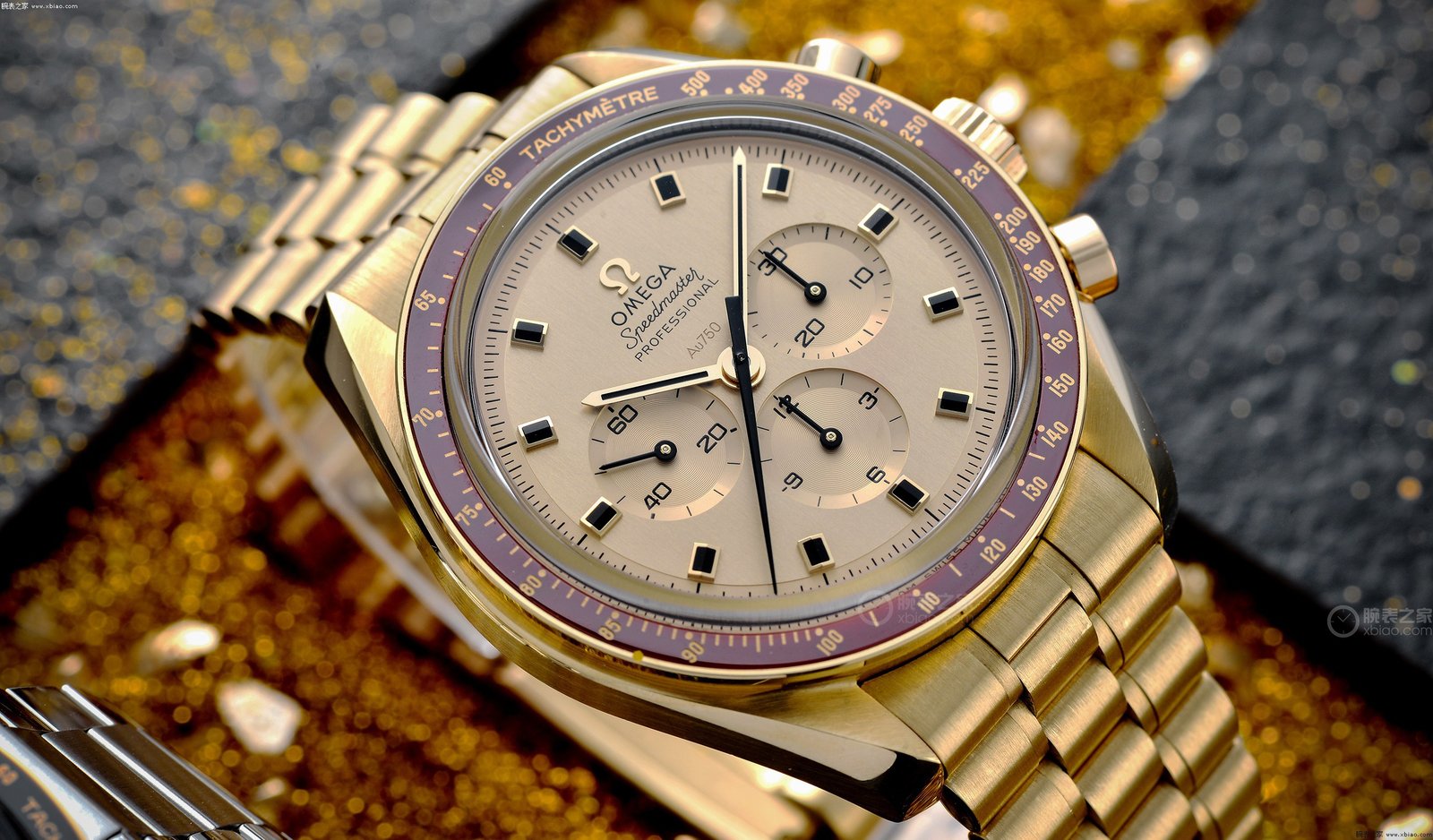
Start with a risk-controlled buying plan
| Decision | What you need to define | Evidence to request | Walk away when |
|---|---|---|---|
| Legal and import position | Rules for your location, intended use, and shipping route | Current guidance from the relevant customs or consumer authority | The seller tells you customs rules do not matter or guarantees seizure cannot happen |
| Exact watch | Reference, size, color, bracelet, movement claim, and required functions | Current photos and video of the reserved sample, plus measurements | The listing mixes references or the seller will not identify the sample |
| Total exposure | Product price, payment fee, tax, duty, shipping, insurance, return cost, and repair allowance | Written invoice and terms before payment | Important charges appear only after you commit |
| Inspection and remedy | QC process, arrival checks, return deadline, refund conditions, and dispute route | Written policy tied to your order | The only accepted payment is difficult to reverse and the return promise is vague |
This table is your first filter. A polished website can still leave every important question unanswered. A plain conversation can also be inadequate if the seller refuses to put the agreement in writing.
1. Check the legal and import position before choosing a seller
Counterfeit and replica goods are not treated the same way in every jurisdiction. Import, possession, travel, resale, and commercial distribution may also be treated differently. Check the rules that apply to your location and the route the parcel will travel. Do not treat a forum comment or a seller’s shipping promise as legal advice.
U.S. Customs and Border Protection publishes guidance on internet purchases from overseas and warns that buyers can remain responsible for import requirements and charges. Its consumer material on counterfeits in e-commerce also notes that small-package shipments are a major enforcement channel. The European Commission describes measures intended to detect and remove illegal and counterfeit products from online platforms.
Your safest question is not, “Will this definitely clear customs?” No seller can promise that. Ask which country the parcel ships from, whether the declaration will be accurate, who pays duties, what happens after a customs hold, and whether the written refund policy covers seizure. Then compare those answers with current official guidance.
Set a loss limit before you browse. Include the price, payment fees, possible tax or duty, return postage, inspection cost, and the chance that local service may be unavailable. If losing that total would create a problem for you, the order is outside your risk budget.
2. Define the exact watch you want
“Best quality” is not a specification. Neither are “1:1,” “Swiss,” “AAA,” “super clone factory,” or a factory nickname. These terms are used inconsistently and do not establish materials, movement identity, water resistance, or durability.
Search results may describe the same market with phrases such as replica watches, high quality replica watch, or exact replica watches. Use those terms to find listings, then return to measurable details. A keyword in a product title is still marketing until the reserved sample and written terms support it.
Write a short purchase specification before contacting a seller:
- brand and exact reference you want to compare against;
- case diameter, approximate thickness, dial color, bezel, bracelet or strap, and clasp;
- functions that must work, such as date, GMT, or chronograph;
- wrist size and the bracelet adjustment you need;
- movement description claimed by the seller;
- cosmetic flaws you will and will not accept;
- the tests you expect before shipment.
Use official product and service material to understand the genuine reference, but do not confuse that information with proof about a replica. An original manufacturer’s water-resistance rating, alloy, certification, or service system does not transfer to another watch because the exterior resembles it.
If the listing does not identify the reference, save the photos and compare case shape, crown guards, dial layout, hand lengths, date position, bracelet taper, and clasp design. Ask the seller to confirm any inconsistency in writing. You are trying to prevent a common problem: receiving a watch that is attractive in isolation but is not the configuration you selected.
3. Vet the site and the seller separately
The Federal Trade Commission’s guide to buying from an online marketplace recommends checking who handles refunds, returns, and disputes; reading seller terms; using safer payment methods; and keeping records. Those checks matter whether you buy from a marketplace, a standalone store, or a seller reached through social media.
Start with identity. Look for a consistent business name, domain history, contact method, location, and explanation of who receives the payment. Send a specific question and judge the answer. A seller who responds with slogans instead of measurements, limitations, or written terms has not reduced your risk.
Search the seller and domain name with words such as “review,” “complaint,” and “scam.” Do not stop at the first page of results. The FTC warns that paid search results can imitate familiar businesses and that the first result is not automatically the correct site. Type a known address directly when you can.
Treat reviews as leads rather than proof. The FTC’s review-evaluation guidance suggests checking several sources, review timing, reviewer history, and possible incentives. A burst of similar reviews, repeated photographs, vague praise, or profiles created for one review deserve less weight. Negative reviews can also be manipulated, so look for repeated, detailed patterns instead of relying on a star average.
Contact the seller through the same channel you will use if a problem develops. Ask who performs QC, how long replies normally take, and what evidence must be submitted for a return. If you cannot get a clear answer before payment, support is unlikely to improve after the parcel arrives.
4. Require QC from the reserved sample
Stock images show a model. QC should show the watch reserved for your order. Ask the seller to place a handwritten order code or the current date beside the watch and record one continuous video that connects the front, sides, case back, bracelet, clasp, and functions.
Request neutral-light photographs from these angles:
- straight-on dial view with the hands away from logos and date windows;
- left and right case profiles, including crown and pushers;
- bezel, crystal edge, rehaut, lugs, and end links;
- clasp exterior and interior, bracelet sides, and screw or pin condition;
- case back and movement, if the construction allows safe access;
- a short video operating every advertised crown position and function.
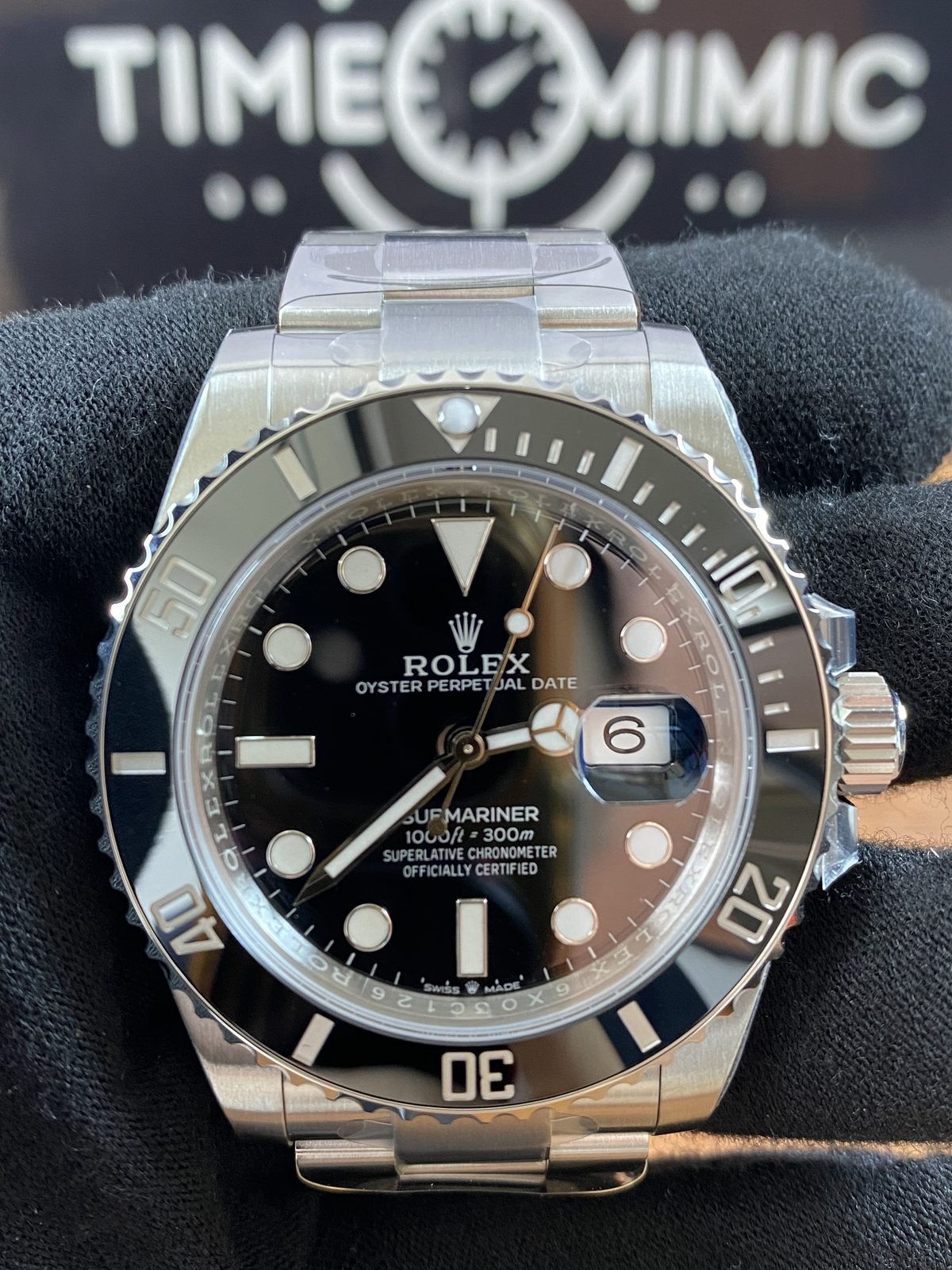
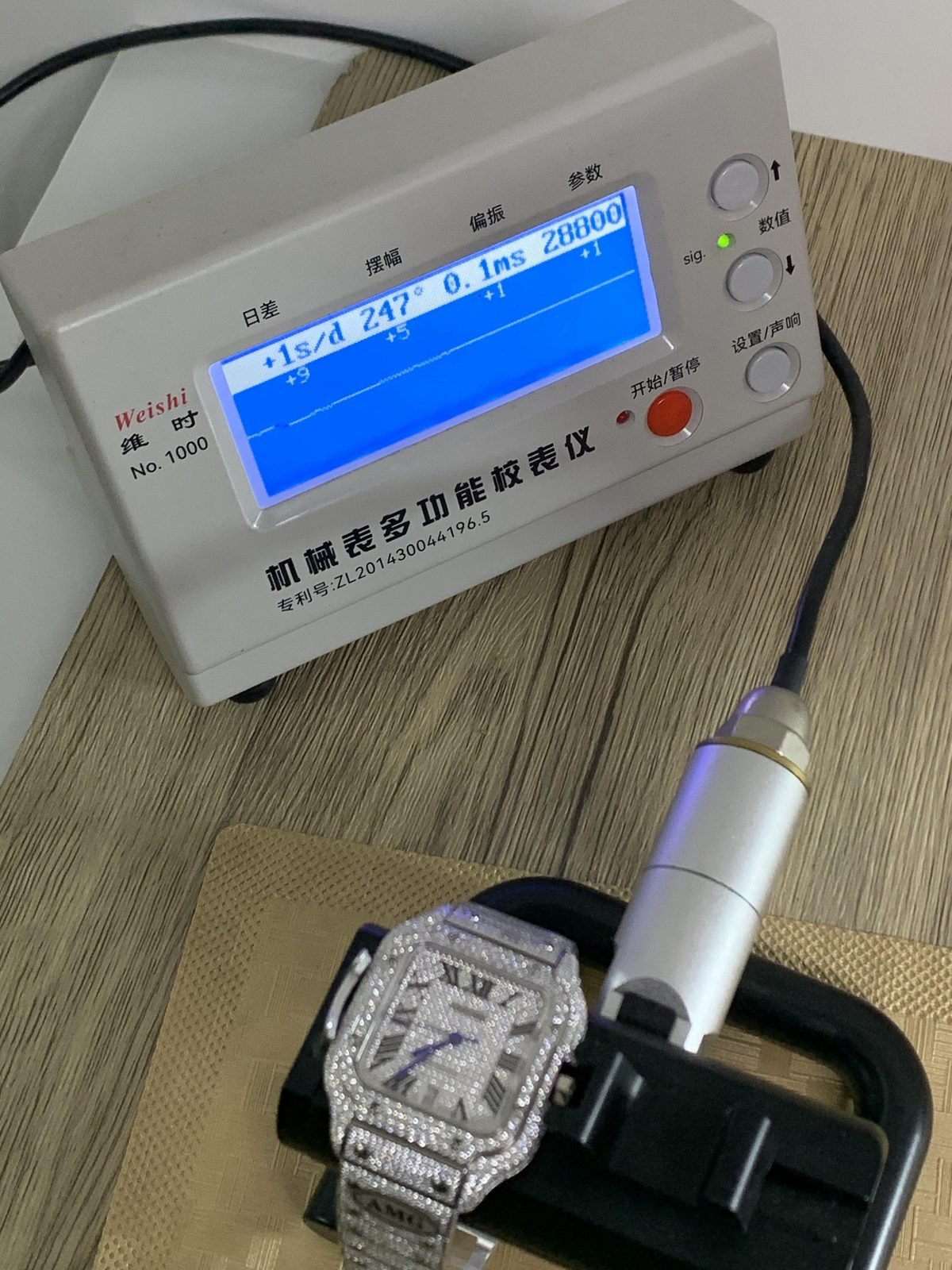
The QC examples below show why you need both appearance and test context. A front photograph can help you inspect alignment and visible condition. A timegrapher screen can document one movement reading at one moment. Neither proves authenticity, movement origin, exact materials, water resistance, or future durability.
| Check | Useful sample-specific evidence | What the evidence does not prove |
|---|---|---|
| Exterior condition | Sharp current photos of the reserved sample from several angles | Hidden damage, exact alloy, long-term coating wear, or authenticity |
| Functions | Continuous video showing crown positions, date change, GMT, or chronograph operation | Internal component quality or future reliability |
| Timekeeping | Timegrapher video showing the watch, position, settings, and stable reading | Performance in every position, power reserve, or movement identity |
| Water resistance | Dated pressure-test result tied to the sample and performed with suitable equipment | Permanent resistance after shipping, impact, opening, or gasket aging |
| Dimensions | Caliper photos for width and thickness plus bracelet measurements | Material composition or identical wearing feel |
Water resistance deserves special caution. The ISO 22810 overview describes requirements and test methods for watches sold as water-resistant. A printed depth rating or screw-down crown is only a claim until the individual watch is tested. If you plan to expose the watch to water, arrange a local pressure test first and follow the technician’s advice.
When a timegrapher result matters to you, ask for the position, lift-angle setting, wind state, and test duration. A single attractive number can be selected from an unstable reading. You want a traceable sample result, not a cropped screen detached from the watch.
5. Put the product, price, and remedy in writing
Before payment, ask for one message or invoice that contains:
- the exact model and accepted QC sample;
- the total amount and currency;
- payment fees, shipping, insurance, tax, and duty responsibilities;
- expected dispatch window and carrier;
- return deadline and where a return must be sent;
- who pays return shipping;
- conditions for repair, replacement, partial refund, and full refund;
- exclusions for sizing, removed stickers, opened case backs, or water exposure.
Read the policy for conflicts. A homepage may advertise “easy returns” while a separate page excludes international orders, sale items, or watches with protective film removed. Take screenshots or save PDFs of the listing, QC approval, invoice, policy, and messages. The FTC advises online shoppers to keep records so they can hold a seller to what was promised.
Do not let a countdown timer or claim of one remaining item replace verification. The European Commission has identified fake discounts, false scarcity, incomplete return information, and hidden charges as consumer concerns on online marketplaces. A legitimate decision can wait while you read the terms.
6. Choose a payment method with a real dispute path
The safest available method depends on your country and provider, but you should understand the remedy before sending money. The FTC recommends payment methods with buyer protection and warns that wire transfers, gift cards, cryptocurrency, and payment outside a marketplace can be difficult or impossible to reverse.
If a credit card is available, read the issuer’s current dispute rules. The U.S. Consumer Financial Protection Bureau explains that non-delivery or receipt of the wrong item can qualify for dispute procedures in some circumstances, with specific notice deadlines. Those rules are jurisdiction-specific and do not guarantee that every replica-watch dispute will succeed. Check your own agreement.
Confirm three points:
- the legal name that will appear on the transaction;
- whether the processor’s buyer protection covers the product and country;
- the deadline and evidence required for a dispute.
Never describe a payment as “safe” simply because it processed successfully. The useful protection is what happens after non-delivery, unauthorized substitution, or a refusal to honor written terms.
7. Track shipping without accepting unsupported guarantees
Ask when tracking should begin to show carrier movement, not merely when a label will be created. Record the parcel weight if the carrier displays it. If tracking stalls, contact the seller and carrier promptly rather than relying on changing explanations.
CBP notes that it does not track ordinary packages for consumers and recommends contacting the seller and carrier first when an overseas order is missing. A message saying “customs has it” is not proof of detention. Official notices, carrier scans, and written requests for documents are stronger evidence.
Do not agree in advance to a false customs declaration. It can create legal, insurance, and dispute problems. Ask how loss, damage, refusal, return-to-sender, and seizure are handled. Keep the answer with your order records.
8. Inspect the parcel before the return window closes
Film the sealed parcel, label, opening, packaging, and watch in one continuous recording. This does not resolve every dispute, but it creates a clearer record of what arrived.
Compare the watch with the approved QC set before removing stickers or sizing the bracelet. Check reference details, visible scratches, dial and bezel alignment, bracelet and clasp, crown action, date change, and every advertised function. Confirm that accessories match the invoice.
Then let a competent local watchmaker perform any inspection you arranged in advance. Ask whether they are willing to handle a replica before you buy. If the case will be opened, clarify whether that affects the seller’s return policy. A pressure test and timegrapher check should be recorded as results for this sample at this time, not as lifetime guarantees.
If something is wrong, notify the seller immediately in the required channel. Describe the difference plainly, attach the evidence, and state the remedy you are requesting. Keep the watch in the received condition until the seller or payment provider explains the next step.
Red flags that should stop the order
- the seller changes the watch after you approve QC;
- photos are reused, heavily filtered, cropped, or inconsistent;
- the seller refuses a dated photo or continuous function video;
- every question receives “best quality” instead of a specific answer;
- a water-resistance claim has no sample-specific test;
- the return address, deadline, restocking fee, or exclusions are hidden;
- you are pressured to pay outside the marketplace or through an irreversible method;
- the payee name has no clear relationship to the seller;
- the seller guarantees customs clearance or tells you to ignore local law;
- the final price, reference, or terms change after payment.
One unresolved red flag can outweigh a collection of attractive photographs. You do not need to prove that a seller is dishonest before deciding that the evidence is insufficient for your money.
A final checklist you can copy
Before you approve payment, answer yes to each question:
- Have you checked the current legal and import position for your location?
- Is the exact reference and configuration written down?
- Do the listing, invoice, and QC sample describe the same watch?
- Have you verified the seller across more than one source?
- Are the return address, deadline, costs, and exclusions clear?
- Is the total exposure within the loss limit you set?
- Does the payment method provide a dispute route you understand?
- Are the QC photos and videos tied to the reserved sample?
- Do you know which local watchmaker or tester will inspect it?
- Can you complete the inspection before the return period ends?
If any answer is no, solve that gap before ordering. Waiting is cheaper than trying to reconstruct missing evidence after a problem.
Frequently asked questions
What is the best place to buy super clone watches online?
There is no universal safest seller. Judge the exact transaction: seller identity, current sample evidence, written terms, total cost, payment protection, local law, and your ability to inspect and return the watch.
Does “Swiss movement” prove high quality?
No. The phrase may be incomplete, inaccurate, or used as marketing. Ask for the exact movement designation and clear internal evidence, then have a qualified watchmaker assess it if movement identity affects your decision.
Should you trust seller QC?
Use it as pre-shipment evidence, not independent certification. Require the reserved sample, a date or order code, several angles, function video, and complete test context. Repeat important checks after delivery.
Can a seller guarantee water resistance?
A seller can provide a sample-specific test result, but no result guarantees permanent resistance. Gaskets, assembly, impact, temperature, opening, and aging can change performance. Arrange a current local test before water exposure.
What should you do if the watch is different from the approved sample?
Stop using or modifying it, preserve the packaging and evidence, notify the seller through the required channel, request the remedy stated in the written terms, and contact the marketplace or payment provider before its dispute deadline if the seller does not resolve the problem.
Final answer
The best way to buy super clone watches online is to reduce uncertainty in a fixed order. Check legal and import risk, define the exact watch, verify the seller, demand sample-specific QC, put every cost and remedy in writing, choose a payment method with a usable dispute path, and inspect the parcel before the return window closes.
No photograph, grade label, factory nickname, or price can remove all risk. A disciplined record gives you something more useful: a clear reason to proceed, a clear reason to walk away, and evidence you can use if the order does not match the agreement.
Looking for a Top-Tier Clone or Custom Build?
Direct access to VS, ZF, 3KF, Clean & BTF factory stock. We provide detailed multi-angle QC photo & video approval prior to final payment.